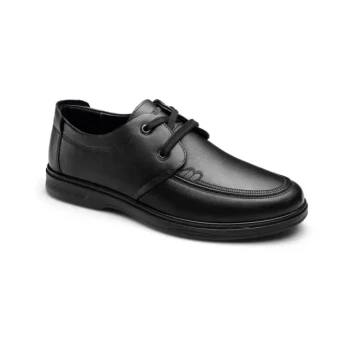
High-pressure pressing machines serve as the critical mechanism for structural consolidation in the final stages of footwear manufacturing. Their primary function is to apply uniform, sustained mechanical pressure to the previously glued sole, midsole, and upper, forcing the adhesive to create a permanent, molecular-level bond between the layers.
Core Takeaway: These machines act as the physical guarantor of a shoe's structural integrity, transforming separate glued components into a single, cohesive unit capable of withstanding high tensile stress and wear.
Consolidating the Shoe Assembly
The primary application of high-pressure pressing is to finalize the bond between the upper and the bottom unit of the shoe.
Uniform Pressure Distribution
The machine applies consistent force across the complex 3D curves of the shoe.
This ensures that the sole, midsole, and upper are pressed together evenly, eliminating air pockets that could lead to delamination.
Creating Molecular Bonds
Pressure forces the adhesive deep into the fibers and pores of the materials.
This mechanical action facilitates a tight, molecular-level bond, ensuring the different layers act as one continuous structure rather than separate parts.
Guaranteeing Tensile Strength
The sustained pressure serves as a quality control measure for durability.
By solidifying the adhesive bond, the machine directly establishes the tensile strength and overall quality stability of the finished footwear.
Vulcanization and Material Shaping
In specific manufacturing contexts involving rubber components, high-pressure machines perform dual functions of shaping and chemical transformation.
Inducing Chemical Cross-Linking
When processing rubber soles, the machine utilizes high pressure (up to 10 MPa) combined with high heat (150°C).
This environment drives the vulcanization reaction, chemically transforming the material from a plastic state into a high-elasticity, durable rubber.
Geometric Replication
The high pressure forces the material into every detail of the mold.
This ensures the precise replication of the tread pattern and geometric shapes, guaranteeing the density and definition of the final component.
Enhancing Wear Resistance
Compression increases the density of the rubber material during the molding process.
This results in a component that is significantly more wear-resistant and suitable for the demands of performance footwear.
Understanding the Trade-offs
While high pressure is essential for durability, it must be carefully calibrated to avoid damaging the product.
Material Compression Limits
Excessive pressure can permanently crush softer materials, such as EVA midsoles.
Operators must balance the pressure needed for adhesion against the compression limit of the cushioning foam to strictly maintain the shoe's intended performance characteristics.
Thermal Sensitivity
In vulcanization processes, the high heat required for rubber can damage synthetic uppers or sensitive glues.
The parameters must be adjusted to ensure the rubber cures without melting or warping adjacent non-rubber components.
Making the Right Choice for Your Goal
To optimize your production line, distinct pressure strategies are required based on the footwear construction method.
- If your primary focus is Assembly Bonding: Prioritize machines that offer uniform pressure distribution to ensure maximum tensile strength without crushing soft midsole foams.
- If your primary focus is Component Creation: Prioritize machines capable of high thermal output and extreme pressure (10 MPa) to ensure proper vulcanization and density.
High-pressure pressing is the definitive step that transforms a collection of parts into a durable, high-performance product.
Summary Table:
| Function | Key Mechanism | Primary Benefit |
|---|---|---|
| Structural Consolidation | Uniform 3D force application | Eliminates air pockets; creates permanent molecular bonds |
| Vulcanization | High heat + 10 MPa pressure | Chemically transforms rubber for high elasticity |
| Geometric Replication | Mold-density compression | Ensures precise tread patterns and wear resistance |
| Quality Stabilization | Sustained mechanical stress | Guarantees high tensile strength and long-term durability |
Partner with 3515 for High-Performance Footwear Manufacturing
As a large-scale manufacturer serving global distributors and brand owners, 3515 leverages advanced high-pressure molding technology to ensure every pair of shoes meets rigorous structural standards. Our comprehensive production capabilities allow us to deliver superior durability across our flagship Safety Shoes series, as well as our extensive portfolio of tactical boots, outdoor footwear, sneakers, and formal dress shoes.
Whether you need robust work boots or high-density performance footwear, we offer the technical expertise to scale your production with precision. Contact us today to discuss your bulk requirements and see how our manufacturing excellence can add value to your brand.
References
- Uswatun Khasanah, Nailul Izzah. Work Facilities Improvement Using Systematic Layout Planning to Reduce the Risk of Manual Handling. DOI: 10.56741/jnest.v1i01.56
This article is also based on technical information from 3515 Knowledge Base .
Related Products
- Wholesale Leather Apron Toe Derby Shoes Custom Factory Production
- Wholesale Comfortable Business Casual Shoes Custom Manufacturing
- Durable Rubber Sole Outdoor Shoes Wholesale & Custom Manufacturing
- Wholesale Modern Business Shoes with Dial Closure System for Bulk Orders
- Wholesale Lightweight Tactical Boots Custom Manufacturer for Desert & Combat Use
People Also Ask
- What historical figure is associated with the Derby shoe? The Earl of Derby's Comfort Revolution
- What are the features and appropriate occasions for wearing derby shoes? A Guide to Versatile Style
- What is the main difference between Derby Shoes and Oxford Shoes? It's All in the Lacing.
- How do Derby shoes fit into business casual attire? Master the Perfect Balance of Professional Style
- What are Derbies and how do they differ from Oxfords? A Guide to Lacing and Formality