
For warmer conditions, the key is a modular system focused on wind protection and moisture management, not heavy insulation. Recommended gear includes a light, moisture-wicking toque or skull cap under a suitable helmet, large-format goggles or shield glasses for eye protection, and a versatile, lightweight neck tube. This approach allows you to adapt to changing temperatures and effort levels without overheating.
The central challenge in mild weather is not staying warm, but managing the sweat and chill cycle. Your gear should function as a toolkit for dynamic temperature regulation, prioritizing breathability and wind resistance over pure insulation.
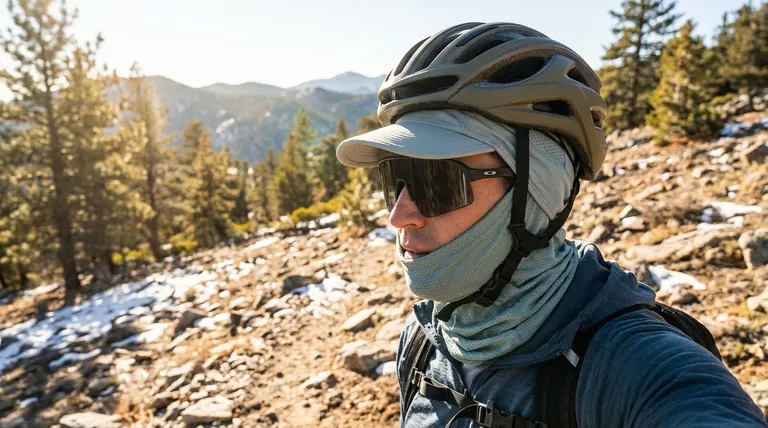
The Principle: From Insulation to Regulation
In deep cold, the goal is simple: trap as much body heat as possible. As temperatures rise, this strategy backfires. Excessive heat and sweat build-up become the primary enemies, making you wet, uncomfortable, and prone to getting chilled the moment you slow down or the wind picks up.
Why Heavy Winter Gear Fails
Heavy winter hats, insulated helmets, and thick balaclavas are designed to prevent heat loss. During high-exertion activity in milder weather, they trap too much heat and moisture.
This saturation makes the fabric lose its insulating properties and can cause a rapid, dangerous chill when you stop moving. The goal shifts from pure heat retention to active moisture transport.
The Power of a Modular System
Instead of a single, heavy piece of gear, think in terms of a light, adaptable system. Each component should serve a specific purpose—wicking, wind-blocking, or light insulation—and be easy to adjust or remove as your body temperature changes.
Deconstructing Your Head and Neck System
A well-chosen system provides protection and comfort across a wide range of conditions without causing you to overheat.
H3: Head Coverage: The Wicking Layer
This is your foundation. Its primary job is to pull sweat away from your skin.
Look for a lightweight toque, winter cycling cap, or helmet liner made from merino wool or a technical synthetic. Key features are a snug fit and good coverage over the forehead and ears, where windburn is common.
H3: Helmet Choice: Vents and Versatility
Your helmet choice depends on your activity.
For snowsports, a standard snowsport helmet with adjustable vents is ideal. You can open the vents when working hard on a climb and close them for a colder descent or windy lift ride.
For winter cycling, a regular cycling helmet is often sufficient. Aero road helmets with fewer vents or accessory shields are excellent choices as they provide wind protection without the overheating risk of a fully insulated helmet.
H3: Eye Protection: Wind, Glare, and Debris
Large-format eyewear is non-negotiable. It protects your eyes from wind, which prevents tearing and discomfort, as well as from sun and debris.
For snowsports, goggles are the standard, offering a complete seal. For cycling, large shield-style glasses are optimal. In milder, often overcast conditions, choose clear or contrast-enhancing lenses over dark-tinted sun lenses.
H3: Neck and Face: The Adaptive Shield
A light- to mid-weight neck tube (or gaiter) is arguably the most versatile piece of your system.
It can sit around your neck for minimal warmth, be pulled up over your chin and mouth for wind protection, or even cover your ears. Its adaptability is its greatest strength. While some sources mention a "heavy" neck tube, a lighter, more breathable version is far more practical for managing heat in warmer conditions.
Common Pitfalls to Avoid
Building the right system requires understanding the trade-offs. The most common mistake is over-dressing, which creates more problems than it solves.
The Balaclava Dilemma
A balaclava offers total coverage, which is appealing in theory. However, most designs trap the moisture from your breath, quickly becoming a wet, cold, and uncomfortable mask against your face. For high-exertion activity, a separate cap and neck tube offer far superior moisture management.
Starting Warm Is a Mistake
You should feel slightly cool when you first step outside. Your body will generate a significant amount of heat within the first 10-15 minutes of activity. If you are perfectly warm and comfortable while standing still, you are overdressed and will be sweating heavily shortly after you start.
Forgetting Sun and Glare
"Warmer" conditions often mean more sun. Reflected glare from snow or wet roads can be intense. Even on overcast days, UV radiation is a factor. Sunscreen on any exposed skin, especially the nose and cheeks, is a critical component of your protection system.
Making the Right Choice for Your Goal
Select and combine these components based on your specific activity and intensity level.
- If your primary focus is high-intensity road or gravel cycling: Prioritize a thin, sweat-wicking cycling cap under an aero helmet, paired with a light neck tube and large shield glasses.
- If your primary focus is resort skiing or snowboarding: A snow helmet with adjustable vents and quality goggles may be all you need, adding a mid-weight neck tube for windy lift rides.
- If your primary focus is backcountry touring or cross-country skiing: Emphasize maximum breathability with a simple headband or light liner and a highly breathable neck tube you can easily adjust on the move.
Ultimately, a successful head and neck system empowers you to stay focused on your performance, not your discomfort.
Summary Table:
| Component | Key Feature | Purpose |
|---|---|---|
| Head Layer | Lightweight, moisture-wicking (e.g., toque, skull cap) | Pulls sweat away from skin |
| Helmet | Adjustable vents (snowsport) or aero design (cycling) | Regulates temperature, provides wind protection |
| Eye Protection | Large-format goggles or shield-style glasses | Protects from wind, glare, and debris |
| Neck/Face | Light- to mid-weight neck tube/gaiter | Adaptable wind protection for chin, mouth, and neck |
Ready to build your perfect head and neck protection system?
As a large-scale manufacturer, 3515 produces a comprehensive range of performance headwear, helmets, and accessories for distributors, brand owners, and bulk clients. Our production capabilities encompass all types of technical gear designed for optimal comfort and protection in any condition.
Let us help you equip your customers with high-quality, breathable solutions that enhance their performance. Contact our team today to discuss your specific needs and explore our product catalog.
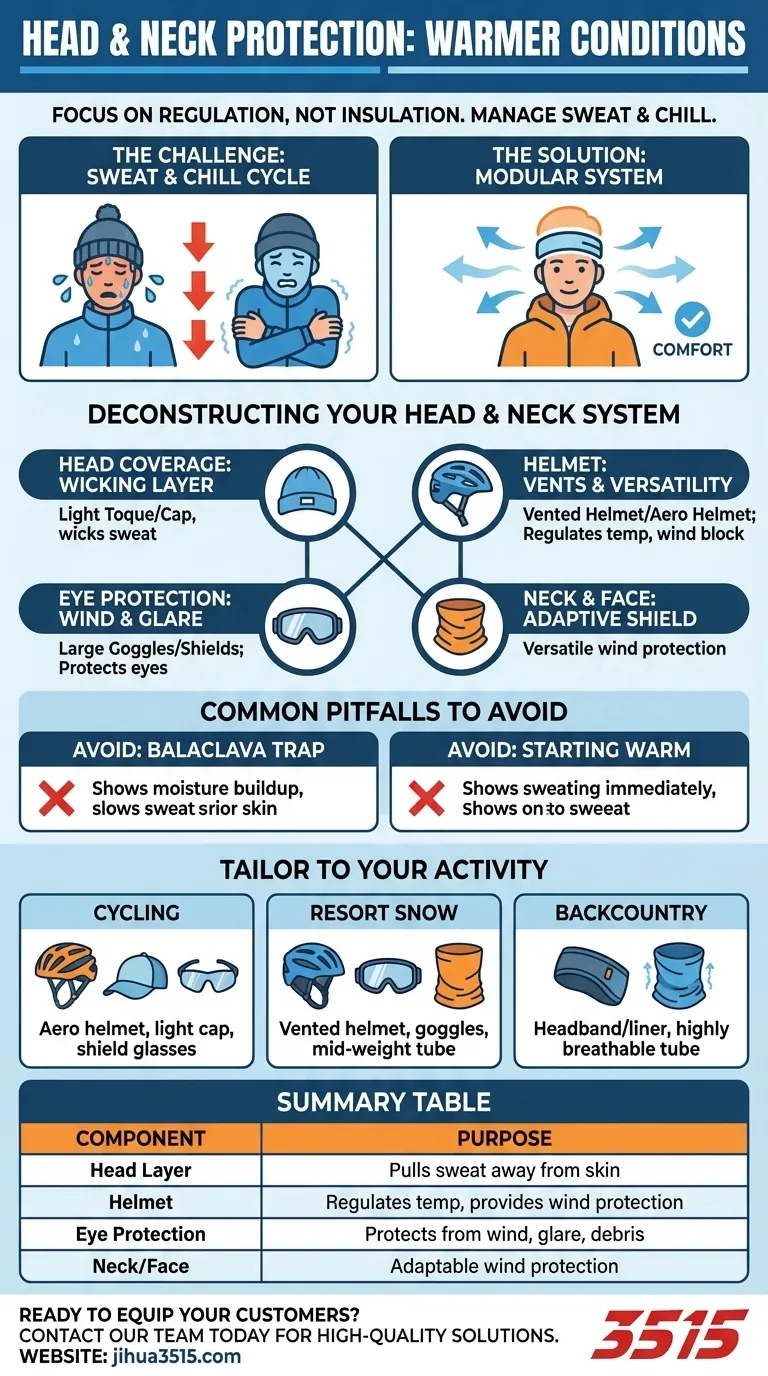
Visual Guide
Related Products
- Advanced KPU Athletic Safety Shoe with Steel Toe Cap Anti-Slip Rotary Lacing System
- Premium Safety Shoes with Rotating Buckle Safety Sneakers
- Puncture-Resistant Velcro Safety Boots for Wholesale & Custom Manufacturing
- Wholesale Safety Boots Manufacturer for Custom & Private Label Orders
- Wholesale Durable Breathable Safety Boots Custom OEM Manufacturer
People Also Ask
- What are the key differences between steel toe and composite toe caps? Choose the Right Safety for Your Job
- What impact do steel toe caps have on toe skin health? Prevent Friction and Pressure in Your Safety Shoes
- What are the primary protective functions of safety shoes with steel toes in the automotive repair industry?
- What type of safety shoe is recommended for workers exposed to heavy machinery? Steel Toe Boots for Ultimate Protection
- How does defining specific friction interface models in FEA assist in predicting safety shoe toe cap failure modes?









