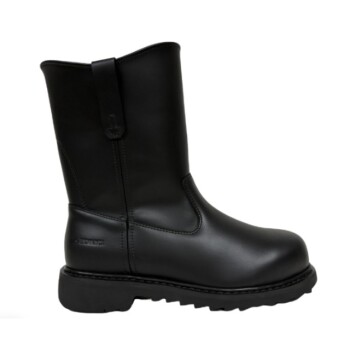
Reinforced materials in motorcycle boots serve as the primary defensive barrier against mechanical and thermal trauma. By utilizing heavy-duty leather, Kevlar, and specialized synthetics, these boots provide critical abrasion resistance to prevent road rash and impact absorption to protect bones and joints. This specialized construction ensures the footwear maintains its structural integrity during high-speed slides or collisions, offering a level of safety that standard footwear cannot achieve.
The core function of reinforced materials is to provide a high-performance protective layer that balances extreme durability with rider ergonomics. For B2B partners, selecting boots with these materials is essential for meeting international safety certifications and ensuring long-term product reliability.
The Mechanical Functions of Protective Materials
Superior Abrasion Resistance
The primary role of heavy-duty leather and advanced synthetics is to act as a secondary skin for the rider. During a slide, these materials withstand intense friction against asphalt, significantly minimizing the risk of deep tissue injuries.
High-quality materials are chosen for their ability to resist tearing and thinning under extreme heat generated by friction. This durability ensures the boot remains intact throughout the duration of an accident.
Impact Energy Management
Reinforced boots integrate impact-absorbing padding and rigid armor into critical zones such as the shins, ankles, and toes. These components are designed to dissipate the force of a direct blow, reducing the likelihood of fractures.
The inclusion of these materials allows the boot to handle "crush" forces, which occur if a motorcycle falls onto the rider's foot. Professional-grade manufacturing ensures these reinforcements are positioned precisely for maximum anatomical protection.
Torsional Support and Rigidity
Racing and street-oriented boots use reinforced high-top designs to prevent ankle twisting and hyperextension. By providing structural rigidity, the materials lock the foot into a safe orientation while still allowing for the necessary range of motion to operate controls.
This balance between stiffness and flexibility is achieved through the strategic layering of leather and synthetic composites. It ensures the rider remains protected without sacrificing the tactile feel required for high-speed maneuvering.
Manufacturing Excellence and Material Integrity
Enterprise-Level Material Selection
For distributors and brand owners, the quality of reinforced materials is a direct reflection of manufacturing heritage. Utilizing premium leathers and certified synthetic alternatives ensures that every unit meets rigorous international safety standards.
Since 1951, industry-leading manufacturers have refined the process of sourcing and treating these materials to ensure consistency. This long-standing expertise allows for the production of boots that offer both breathability for temperature control and superior wear resistance.
Scalable Production and Quality Control
Modern, state-of-the-art equipment allows for the precision cutting and stitching of reinforced components at a massive production scale. This ensures that even in large-volume deliveries, the protective qualities of the materials remain uniform across all units.
A robust supply chain and advanced OEM/ODM capabilities allow for the integration of specialized materials like Kevlar or water-resistant synthetics based on specific market needs. This versatility is critical for maintaining supply chain stability in the competitive B2B landscape.
Understanding the Trade-offs
Protection vs. Weight
While heavier reinforcements provide the highest level of safety, they can increase the overall weight of the boot, potentially leading to rider fatigue during long journeys. Manufacturers must balance material thickness with ergonomic design to maintain comfort.
Rigidity vs. Flexibility
The materials required to prevent ankle torsion can sometimes limit the boot's comfort for walking. High-end professional boots solve this by using articulated joints, though this increases the complexity and cost of the manufacturing process.
Maintenance Requirements
Natural leathers offer the best abrasion resistance but require regular maintenance to prevent drying and cracking. Synthetic alternatives may offer easier maintenance and better water resistance, though they may lack the natural breathability of premium hides.
Making the Right Choice for Your Portfolio
Strategic Recommendations for B2B Partners
The choice of reinforced materials should align with your target market's specific riding environment and safety requirements.
- If your primary focus is Professional Racing: Prioritize boots with high-top designs, rigid ankle bracing, and maximum impact armor to handle high-speed environments.
- If your primary focus is Street or Urban Riding: Focus on premium leather constructions that offer a balance of abrasion resistance and all-day walking comfort.
- If your primary focus is Long-Distance Touring: Look for reinforced boots that integrate waterproof membranes and breathable synthetics to ensure comfort in diverse weather conditions.
Selecting the right reinforced materials is not just a safety choice, but a commitment to delivering engineering excellence and reliability to the end-user.
Summary Table:
| Function | Key Materials Used | Primary Benefit to Rider |
|---|---|---|
| Abrasion Resistance | Heavy-duty Leather, Synthetics | Prevents road rash and deep tissue injury during slides |
| Impact Absorption | Rigid Armor, Padded Inserts | Dissipates force to protect shins, ankles, and toes |
| Torsional Support | Composite Bracing, High-top Designs | Prevents ankle twisting and hyperextension |
| Structural Integrity | Kevlar, Reinforced Stitching | Ensures the boot stays intact under extreme friction |
Partner with a Heritage Manufacturer for Premium Footwear Solutions
Elevate your product portfolio with high-performance footwear from 3515. As a large-scale manufacturer serving distributors and brand owners since 1951, we provide the enterprise-level manufacturing strength you need to succeed. Our flagship Safety Shoes series is anchored by robust supply chain stability and international certifications, ensuring consistent large-volume delivery for your B2B requirements.
From tactical and outdoor boots to training shoes, sneakers, and professional Dress & Formal footwear, 3515 offers comprehensive OEM/ODM capabilities tailored to your brand's specifications. Benefit from our state-of-the-art equipment and seven decades of craftsmanship—contact our expert team today to secure your supply of world-class protective footwear!
Related Products
- Wholesale Waterproof Tactical Boots Custom Suede & High-Traction Soles
- High Performance Fire-Retardant Waterproof Safety Boots
- High-Traction Suede Tactical Boots Wholesale & Custom Manufacturing
- Durable Leather Tactical Boots Wholesale & Custom Manufacturing for Brands
- Heavy-Duty Goodyear Welted Pull-On Safety Rigger Boot
People Also Ask
- What waterproof technology is used in tactical boots? Unlock All-Weather Performance & Protection
- What are the advantages and disadvantages of waterproof tactical boots? A Guide to the Key Trade-Offs
- What is the significance of waterproof functionality in tactical boots? Essential for Health & Performance
- What is the role of professional 3D medical imaging software in optimizing tactical boot design and performance?
- What features enhance breathability and comfort in tactical boots? A Guide to Superior Footwear Performance