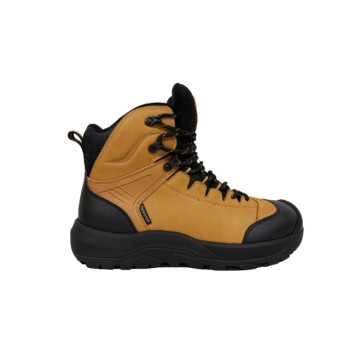
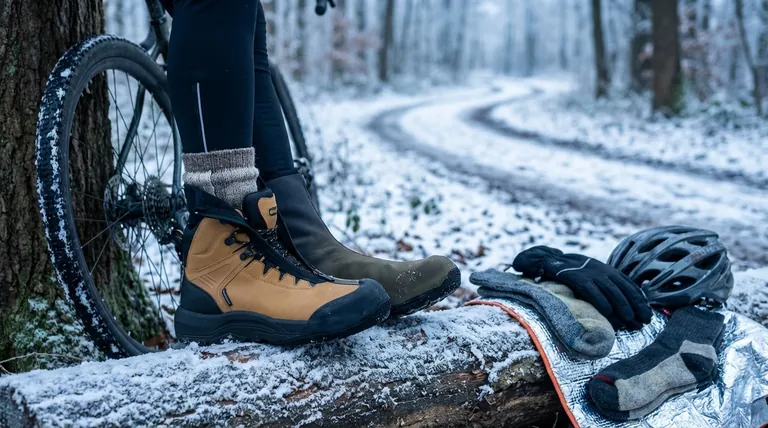
The most effective strategy for keeping feet warm during winter cycling is a multi-layered system that focuses on insulation, wind and water protection, and preserving circulation. It involves choosing the right socks, modifying your existing shoes, using external covers, and in some cases, investing in dedicated winter footwear.
The core challenge isn't just about adding warmth; it's about defending against the specific ways a bicycle makes your feet cold. Your strategy must combat heat loss from wind, moisture from sweat, and direct heat transfer through your cleats.
Why Your Feet Get So Cold on the Bike
Unlike running or walking, cycling involves minimal muscle contraction in your feet. This reduced activity leads to lower blood flow, making them your body's first weak point against the cold. Several physical principles accelerate this heat loss.
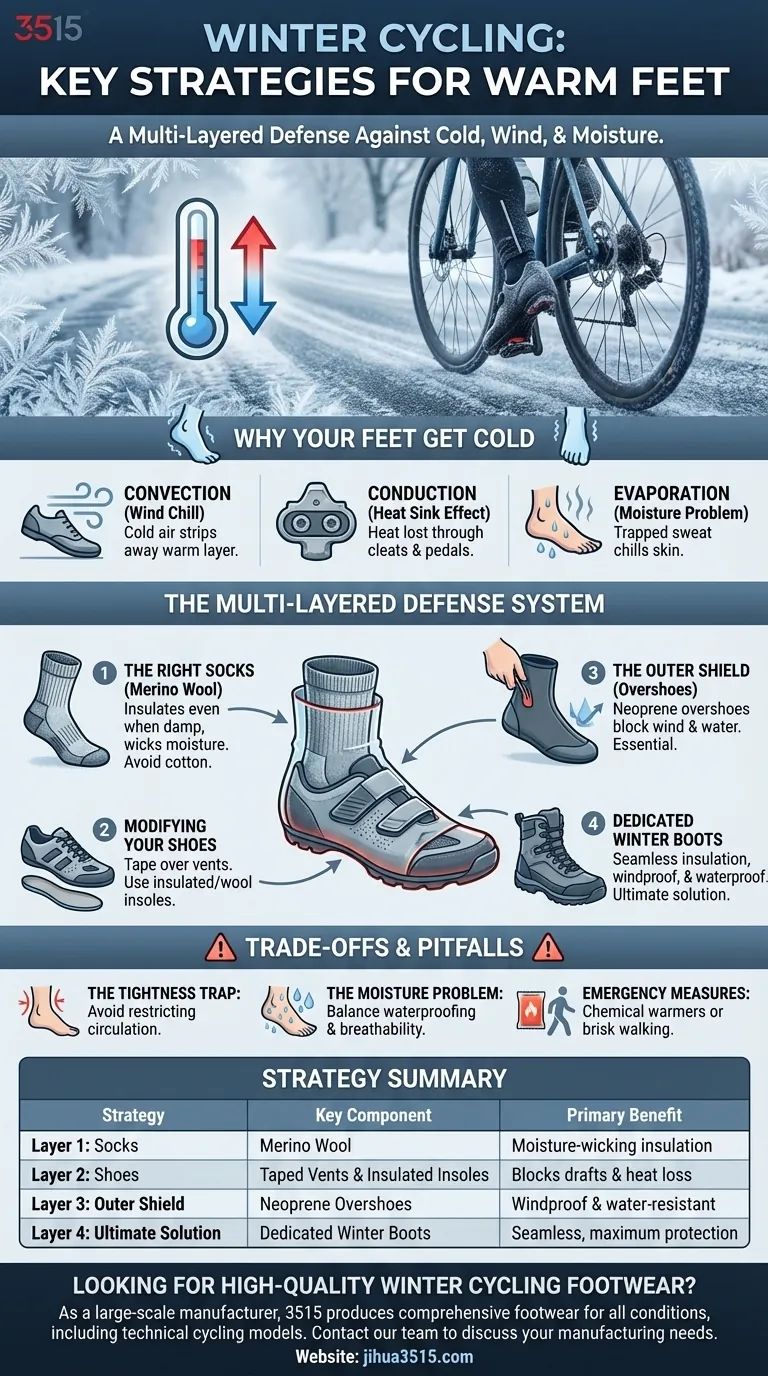
Convection (Wind Chill)
The constant flow of cold air over your shoes is the primary culprit. This process, known as convection, relentlessly strips away the layer of warm air trying to insulate your feet.
Conduction (The Heat Sink Effect)
Your metal cleats and pedals act as a direct thermal bridge, pulling warmth from the soles of your feet in a process called conduction. This is why the bottom of your feet often feels the coldest.
Evaporation (The Moisture Problem)
Even in the cold, your feet sweat. If that moisture gets trapped, it chills your skin through evaporation. A wet foot is a cold foot, no matter how many layers you're wearing.
A Multi-Layered Defense System
The most effective approach is to build a system of defenses, working from the inside out. Each layer serves a specific purpose in the fight against cold.
Layer 1: The Right Socks
Your socks are your foundation. Their job is to insulate and manage moisture.
Choose socks made from merino wool. It insulates exceptionally well even when damp and pulls moisture away from your skin. Avoid cotton at all costs, as it holds moisture and accelerates heat loss.
Layer 2: Modifying Your Shoes
Your standard cycling shoes are designed for ventilation, which is a major liability in winter.
A simple, effective trick is to place tape over any ventilation holes on the top and bottom of your shoes. You can also replace your standard footbeds with insulated or wool insoles to fight heat loss through conduction at the sole.
Layer 3: The Outer Shield (Overshoes)
Overshoes, also known as booties, are the single most impactful upgrade for most riders. They slide over your regular cycling shoes to provide a crucial barrier.
Look for neoprene overshoes, which offer excellent insulation and wind protection. They are the workhorse of winter cycling gear and provide the best value for dramatically increasing warmth and comfort.
Layer 4: Dedicated Winter Boots
For the most committed winter cyclists, dedicated winter cycling boots are the ultimate solution.
These boots combine insulation, windproofing, and waterproofing into a single, seamless package. They eliminate the drafts and gaps that can occur with overshoes and provide the highest level of protection.
Understanding the Trade-offs and Pitfalls
Simply adding more layers can sometimes make the problem worse. Awareness of these common mistakes is crucial for staying warm.
The Tightness Trap: Restricting Circulation
The biggest mistake is creating a system that is too tight. Adding thick socks or multiple overshoes can compress your feet, restricting blood flow and making them even colder. Ensure you can still wiggle your toes freely.
The Moisture Problem: Waterproofing vs. Breathability
While blocking external water is important, a completely non-breathable setup can trap sweat. Some fully waterproof socks, for example, can leave your feet clammy and cold. The goal is moisture management, not just moisture blocking.
Mid-Ride Emergency Measures
If your feet get cold despite your best efforts, you have options.
Carrying disposable chemical toe warmers can provide a quick boost of heat. If your feet go numb, the most reliable method is to get off the bike and walk or jog briskly for a few minutes to force blood circulation back into your feet.
Making the Right Choice for Your Ride
Your ideal setup depends on the conditions and duration of your ride.
- If your primary focus is short commutes or milder winter days: Start with wool socks and a good pair of neoprene overshoes.
- If your primary focus is long training rides in the cold: Combine insulated insoles, wool socks, and overshoes, or consider dedicated winter cycling boots.
- If your primary focus is maximum protection in freezing conditions: A dedicated winter boot is the most reliable and comfortable long-term solution.
Ultimately, preventing cold feet allows you to ride longer, safer, and more comfortably through the winter.
Summary Table:
| Strategy | Key Component | Primary Benefit |
|---|---|---|
| Layer 1: Socks | Merino Wool | Moisture-wicking insulation |
| Layer 2: Shoes | Taped Vents & Insulated Insoles | Blocks drafts & heat loss through the sole |
| Layer 3: Outer Shield | Neoprene Overshoes | Windproof & water-resistant barrier |
| Layer 4: Ultimate Solution | Dedicated Winter Boots | Seamless, maximum protection |
Are you a distributor, brand owner, or bulk client looking for high-quality winter cycling footwear?
As a large-scale manufacturer, 3515 produces a comprehensive range of footwear for all conditions. Our production capabilities encompass all types of shoes and boots, including technical cycling models designed with the insulation, windproofing, and durability needed for cold-weather performance.
We can help you equip your customers with reliable gear that keeps them riding comfortably all winter long. Contact our team today to discuss your manufacturing needs and how we can bring value to your product line.
Visual Guide
Related Products
- Premium Insulated Safety Boots and Shoes for Wholesale & Bulk Orders
- Factory Direct Wholesale Rain Boots Durable Waterproof & Fully Customizable
- Durable Waterproof Rain Boots | Custom Manufacturer for Wholesale & Brands
- Heavy-Duty Waterproof Nubuck Safety Boots Safety Shoes for Bulk Supply
- Wholesale Waterproof Tactical Boots Custom Suede & High-Traction Soles
People Also Ask
- What are the recommended insulation ratings for mild winter conditions? A Guide for Active & Stationary Workers
- How does insulation thickness correlate with temperature ranges? A Guide to Choosing the Right Warmth
- What insulation level is needed for severe cold and stationary work? 1200g or Higher is Essential
- What safety advantages do insulated boots offer beyond warmth? Dielectric Protection & Superior Grip
- How does fleece lining contribute to the warmth of insulated boots? Trapping Air for Superior Cold Protection