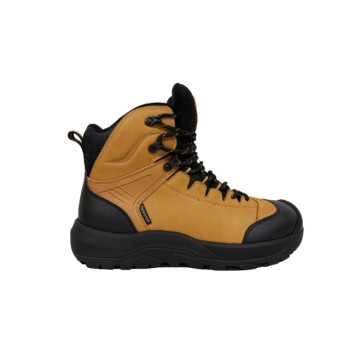
The key insulation requirement for winter boots is a minimum of 200 grams of synthetic insulation, but this is merely a starting point. The right amount depends entirely on the external temperature and your activity level, with ratings commonly ranging from 100g for cool conditions to over 800g for extreme cold. Effective insulation is a system that includes not just the lining but also the sole and footbed to protect you from the cold ground.
Choosing the right winter boot is not about finding the maximum insulation, but about matching the insulation level to your specific activity and climate. The goal is to prevent heat loss without causing your feet to sweat, as moisture is the fastest path to cold feet.
Decoding Insulation Ratings
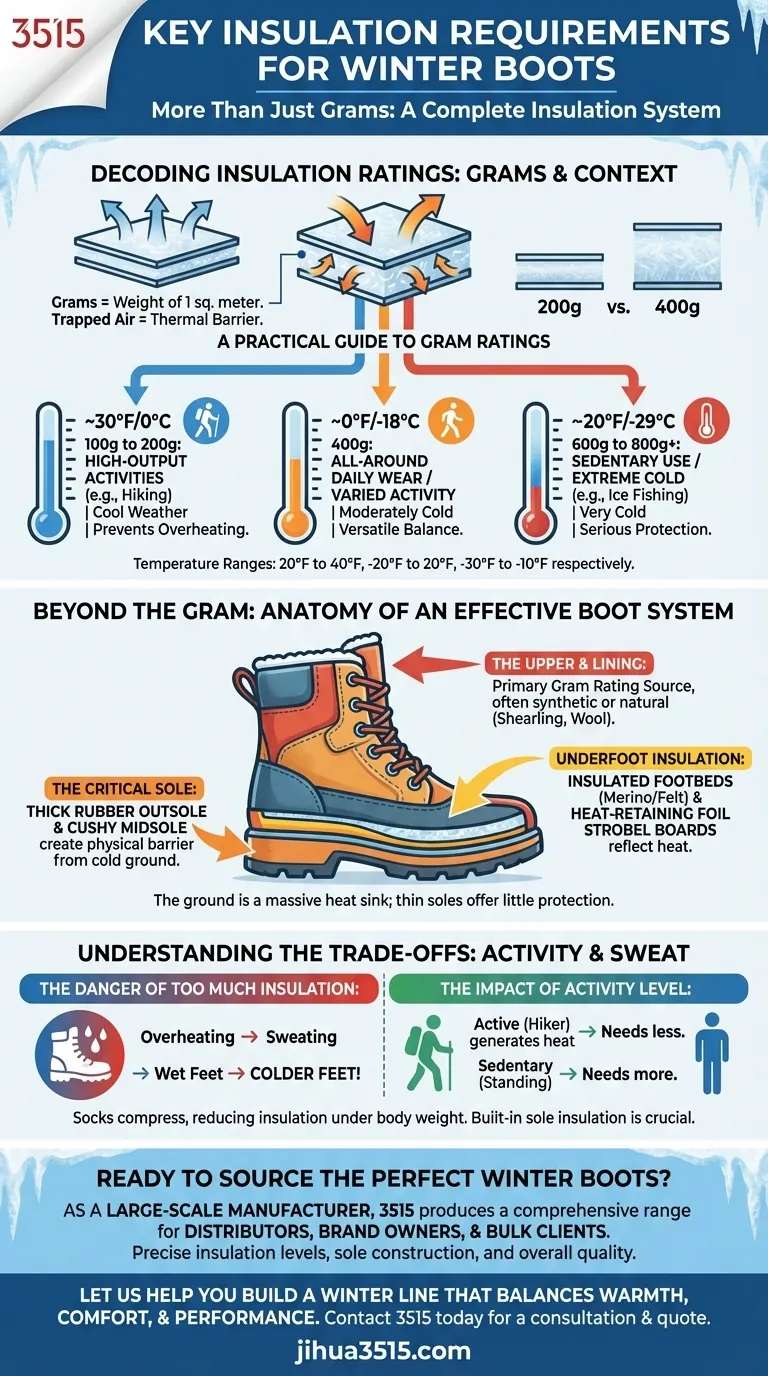
The most common way to measure boot insulation is in grams, referring to the weight of a square meter of that specific insulation material. While a higher number generally means more warmth, understanding the context is critical.
What Do Insulation Grams Mean?
Insulation is a thick layer of fabric, often a synthetic fill, designed to trap air. This trapped air creates a thermal barrier, slowing the escape of heat from your feet.
The gram rating indicates the density and thickness of this material. A boot with 400g of insulation has twice the insulating fill as a boot with 200g of insulation.
A Practical Guide to Gram Ratings
Manufacturers provide these ratings to help you select boots appropriate for your environment.
- 100g to 200g: Best for cool weather or high-output activities like winter hiking. This level prevents overheating and sweating during intense movement. Corresponds to temperatures roughly from 20°F to 40°F (-6°C to 4°C).
- 400g: A versatile choice for moderately cold winters and varied activity levels. It provides significant warmth for daily wear without being overly bulky. Suitable for temperatures from around -20°F to 20°F (-28°C to -6°C).
- 600g to 800g: Designed for very cold conditions and more sedentary activities, like ice fishing or working outdoors with long periods of standing still. These boots offer serious protection in temperatures from -30°F to -10°F (-34°C to -23°C).
- 1000g and Up: Extreme insulation for arctic conditions and minimal activity, ensuring protection in the most severe cold.
Beyond the Gram Rating: Where Insulation Matters
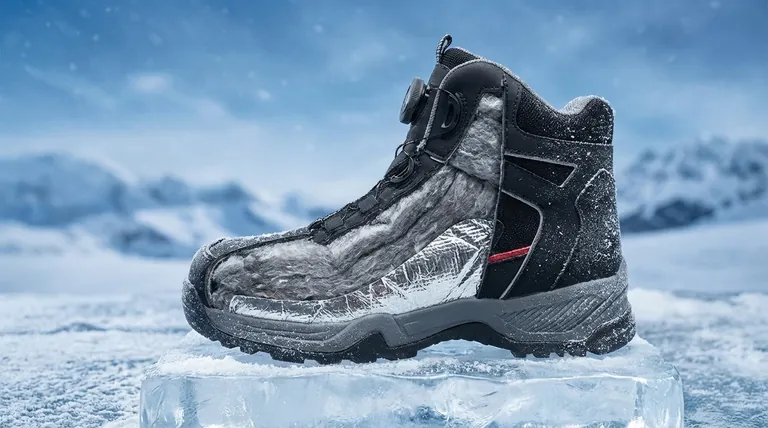
A simple gram rating doesn't tell the whole story. An effective boot insulates your foot from all angles, especially from the ground, which actively pulls heat away.
The Upper and Lining
This is where the primary gram rating comes from. Insulation is typically sewn into the boot's structure, between the outer material and the inner lining. Some boots also use materials like natural sheepskin (shearling) or pressed wool, which provide excellent thermal regulation and comfort.
The Critical Role of the Sole
The ground is a massive heat sink. A thin sole offers little protection, regardless of how much insulation is in the upper part of the boot.
A thick rubber outsole with deep treads creates a physical barrier, putting more distance between your foot and the frozen ground. A cushy midsole further enhances this insulating effect.
Underfoot Insulation
Many high-quality winter boots include specific features to block cold from rising through the sole. Look for insulated footbeds made of materials like merino wool or felt. Some use heat-retaining foil strobel boards (a layer under the insole) to reflect heat back toward your foot.
Understanding the Trade-offs
More insulation is not always better. The biggest mistake is choosing a boot that is too warm for your needs, leading to a cycle of sweating and freezing.
The Danger of Too Much Insulation
If your boots are excessively insulated for your activity level, your feet will overheat and sweat. This moisture saturates your socks, completely defeating the purpose of the insulation and making your feet feel colder than if you had worn less-insulated footwear.
The Impact of Activity Level
Your body generates significant heat when you're moving. A hiker needs far less insulation than someone standing still at a bus stop in the same temperature. Always factor in whether you'll be active or sedentary when making your choice.
The Limitation of Socks
While thick wool socks are essential, their insulating value is reduced when the material is compressed by your body weight while walking or standing. This makes the boot's built-in sole and underfoot insulation even more critical for overall warmth.
Making the Right Choice for Your Goal
Select your boot's insulation based on its primary intended use.
- If your primary focus is high-activity use (winter hiking, snowshoeing): Opt for a lower rating like 200g to 400g to prioritize breathability and prevent sweat buildup.
- If your primary focus is all-around daily wear: A 200g to 400g boot offers the best balance of warmth for short periods of inactivity (like a commute) and comfort for active use.
- If your primary focus is sedentary use in deep cold (ice fishing, outdoor work): Choose a higher rating of 600g to 800g or more to maximize heat retention when your body is not generating its own.
By understanding that insulation is a complete system, you can confidently select winter boots that provide the precise level of warmth your activities demand.
Summary Table:
| Insulation (Grams) | Best For (Activity Level) | Typical Temperature Range |
|---|---|---|
| 100g - 200g | High-Output Activities (e.g., Hiking) | 20°F to 40°F (-6°C to 4°C) |
| 400g | All-Around Daily Wear / Varied Activity | -20°F to 20°F (-28°C to -6°C) |
| 600g - 800g+ | Sedentary Use / Extreme Cold (e.g., Ice Fishing) | -30°F to -10°F (-34°C to -23°C) |
Ready to Source the Perfect Winter Boots?
As a large-scale manufacturer, 3515 produces a comprehensive range of insulated footwear for distributors, brand owners, and bulk clients. Our production capabilities encompass all types of winter boots and boots, ensuring you get the precise insulation level, sole construction, and overall quality your customers need.
Let us help you build a winter line that balances warmth, comfort, and performance.
Contact 3515 today for a consultation to discuss your specific requirements and get a quote.
Visual Guide
Related Products
- Premium Insulated Safety Boots and Shoes for Wholesale & Bulk Orders
- Factory Direct Wholesale Rain Boots Durable Waterproof & Fully Customizable
- Durable Waterproof Rain Boots | Custom Manufacturer for Wholesale & Brands
- Wholesale Waterproof Tactical Boots Custom Suede & High-Traction Soles
- Premium Waterproof High-Cut Industrial Safety Boots for Wholesale and Bulk Orders
People Also Ask
- What are the recommended insulation ratings for mild winter conditions? A Guide for Active & Stationary Workers
- How does insulation thickness correlate with temperature ranges? A Guide to Choosing the Right Warmth
- What insulation level is needed for severe cold and stationary work? 1200g or Higher is Essential
- What safety advantages do insulated boots offer beyond warmth? Dielectric Protection & Superior Grip
- How does fleece lining contribute to the warmth of insulated boots? Trapping Air for Superior Cold Protection