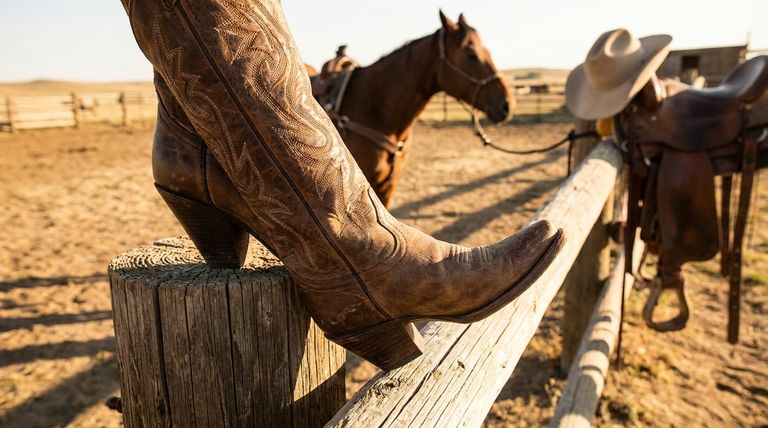
At their core, Western cowboy boots are defined by three primary features: a tall boot shaft, an angled heel of at least one inch, and a distinct toe shape, which is often pointed. These elements were not created for style but were born from the practical, demanding needs of a rider working on the American frontier.
Every defining feature of a classic cowboy boot is a direct answer to a functional problem faced by a person on horseback. Understanding the purpose behind the design—from the heel to the stitching—is key to appreciating what makes them unique.
The Anatomy of a Boot Built for the Saddle
The traditional cowboy boot is a masterclass in purpose-driven design. Each component was engineered to enhance a rider's safety, efficiency, and protection while in the saddle or working with livestock.
The Angled Heel
The high, angled heel is arguably the boot's most critical safety feature. Its primary function is to prevent the rider's foot from accidentally slipping forward through the stirrup, which could lead to being dragged in a fall. A heel of at least one inch, and often closer to two, provides a secure "lock" on the stirrup.
The Tall Shaft
The tall leather shaft, which typically reaches mid-calf, serves as a protective shield. It guards the rider's shins and legs against thorny brush, snake bites, and the chafing that occurs from rubbing against the saddle and horse.
The Pointed Toe
A narrow or pointed toe is not just for looks; it helps a rider easily and quickly guide their foot into the stirrup. This was especially important in situations where mounting quickly was necessary.
The Lack of Laces
The smooth, laceless design is another intentional safety feature. If a rider were to fall from their horse with a foot caught in the stirrup, a laceless boot is far more likely to slip off the foot, freeing the rider and preventing a much more dangerous dragging incident.
The Decorative Stitching
While it is now a hallmark of Western style, the intricate stitching on the boot shaft originally served a functional purpose. The rows of stitching helped stiffen the leather, preventing the shaft from slouching and helping it maintain its protective shape.
How Cowboy Boots Compare to Other Footwear
Understanding what a cowboy boot is also means understanding what it is not. Its specialized design for riding sets it apart from other types of functional footwear.
Versus Work Boots
Work boots are built for traction and protection on the ground. They feature heavy, non-slip soles, reinforced safety toes, and high cuts for ankle support. In contrast, cowboy boots have smooth, often leather, soles to allow for easy movement in and out of a stirrup.
Versus Hiking & Tactical Boots
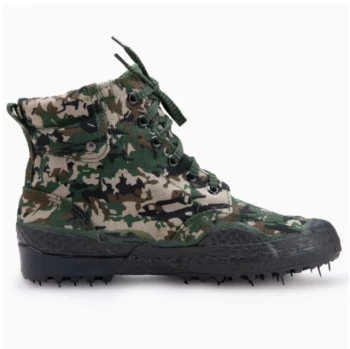
Hiking and tactical boots are engineered for walking long distances over varied terrain. They are lightweight, flexible, and prioritize ankle support and cushioning. The rigid sole and high heel of a cowboy boot make it poorly suited for this kind of activity.
Versus English Riding Boots
Long, formal English riding boots are also designed for the saddle but have key differences. They typically feature a much lower, flatter heel and a taller, more form-fitting shaft that reaches the knee. They serve a similar protective purpose but are tailored to a different riding discipline and aesthetic.
Understanding the Trade-offs
The features that make a cowboy boot exceptional for riding create inherent limitations for other activities.
Not Designed for Walking
The same smooth sole and angled heel that provide safety in the stirrup offer very little traction and can be uncomfortable for extensive walking, especially on hard or uneven surfaces.
Fit is Everything
Because they lack laces for adjustment, a proper fit is absolutely critical. The boot must fit snugly across the instep (the top of your foot) to prevent your heel from slipping excessively, which can cause blisters and discomfort.
Making the Right Choice for Your Purpose
Consider the primary reason you need the boots to select the right features.
- If your primary focus is horseback riding: Prioritize a prominent heel, a smooth leather sole, and a sturdy shaft for maximum safety and function.
- If your primary focus is work or durability: Look for modern hybrid boots that blend Western style with features like rubber traction soles and cushioned insoles.
- If your primary focus is style and everyday wear: You have the most flexibility; choose any toe shape, heel height, and material that provides the comfort and look you desire.
Ultimately, the cowboy boot is a piece of functional history, with every curve and stitch telling the story of its intended purpose.
Summary Table:
| Feature | Purpose |
|---|---|
| Angled Heel | Prevents foot from slipping through the stirrup for rider safety. |
| Tall Shaft | Protects legs from brush, chafing, and snake bites. |
| Pointed Toe | Allows for quick and easy entry into the stirrup. |
| Laceless Design | Helps the boot slip off the foot in a fall, preventing dragging. |
| Decorative Stitching | Stiffens the leather shaft to help it maintain its shape. |
Ready to find the perfect pair of cowboy boots?
As a large-scale manufacturer, 3515 produces a comprehensive range of Western, work, and fashion boots for distributors, brand owners, and bulk clients. Whether you need authentic riding boots or stylish hybrids for everyday wear, our production capabilities ensure quality, durability, and the perfect fit.
Contact us today to discuss your footwear needs and let us help you bring the right boots to your market.
Visual Guide

Related Products
- High-Traction Suede Tactical Boots Wholesale & Custom Manufacturing
- Durable Spiked Camouflage Boots Wholesale & Factory Production
- Wholesale Lightweight Tactical Boots Custom Manufacturer for Desert & Combat Use
- Durable Goodyear Welt Leather Work Boots for Wholesale & Private Label
- Wholesale High-Traction Camo Boots - Custom Manufacturer for Brands
People Also Ask
- Why is sequential analysis utilized to evaluate tactical boots? Master Dynamic Boot Development and Ergonomic Performance
- How does the material of tactical boots affect their performance? Choose the Right Material for Your Mission
- How do tactical boots differ from regular boots? Performance, Durability & Design Explained
- How do military uniforms and tactical boots impact the prediction of thermal risk? Essential Safety Insights
- What are the benefits of integrating FES and sEMG into tactical boots? Safety, Reliability & Field-Ready Performance