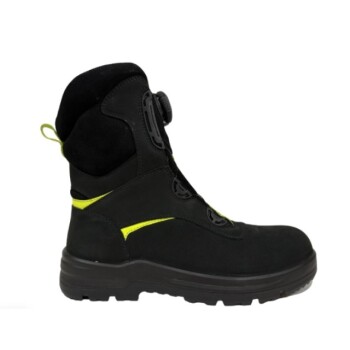
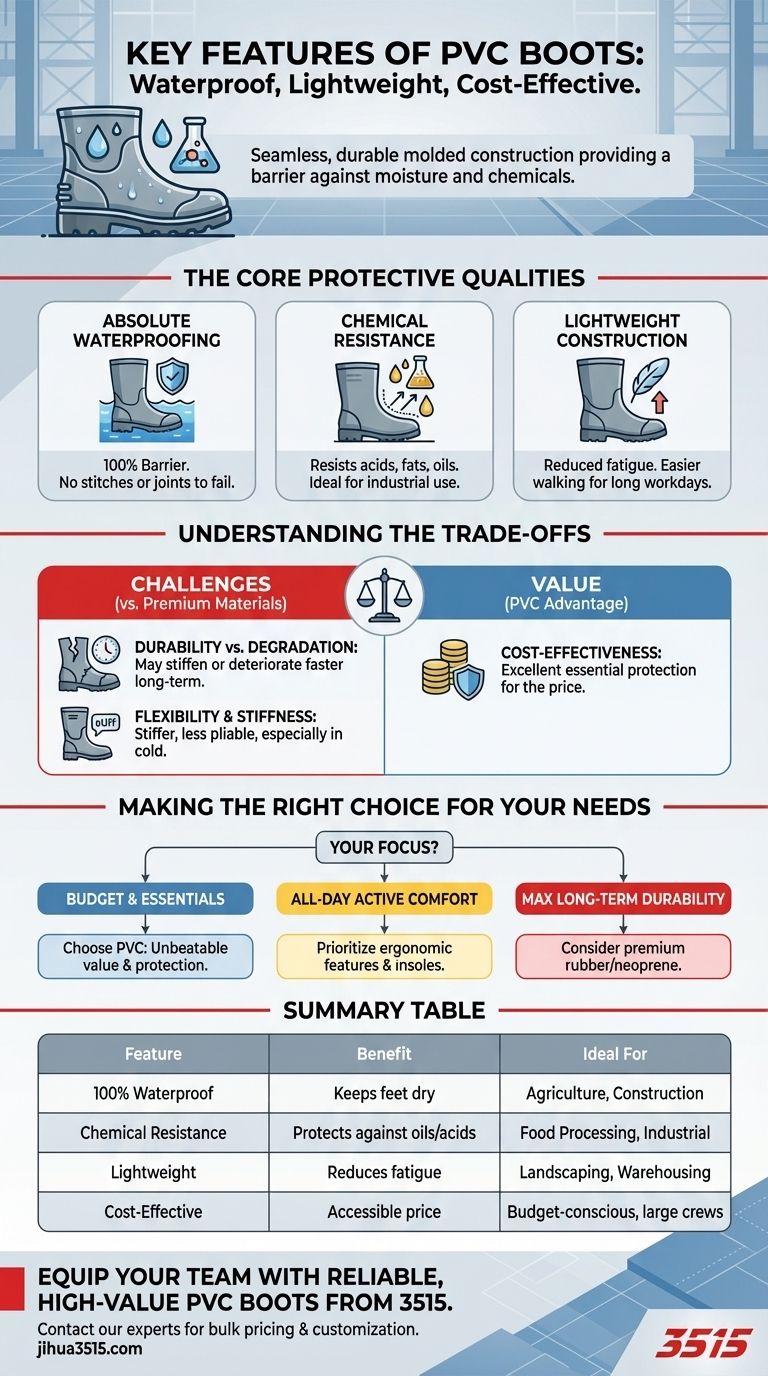
At their core, PVC boots are defined by their complete waterproof protection, lightweight construction, and significant cost-effectiveness. Made from polyvinyl chloride, they are manufactured using a molding process that creates a seamless, durable barrier against moisture and a wide range of chemicals, making them a practical choice for numerous work and wet-weather environments.
The essential value of PVC boots lies in their balance: they provide a high degree of elemental and chemical protection at a very accessible price point, though this comes with trade-offs in long-term durability and flexibility compared to premium materials.
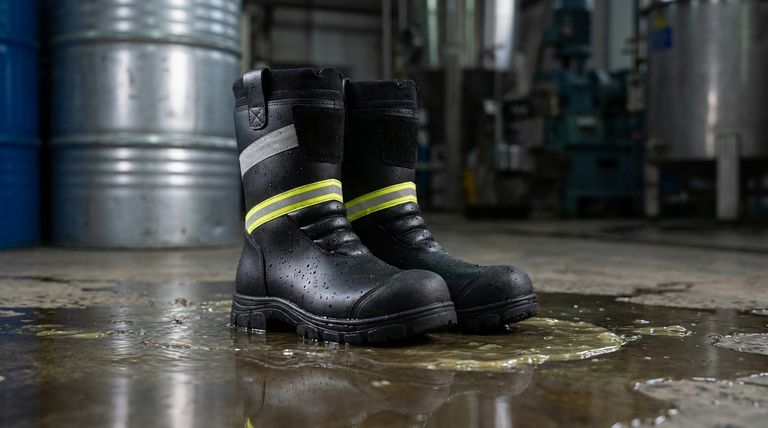
The Core Protective Qualities of PVC
The primary function of any utility boot is protection, and PVC excels in several key areas. Its material properties and construction method give it distinct advantages.
Absolute Waterproofing
The manufacturing process for PVC boots involves injecting heated liquid PVC into a boot-shaped mold. As it cools, it forms a single, seamless piece with no stitches or joints that could fail.
This construction method ensures the boots are 100% waterproof, providing a reliable barrier that keeps feet completely dry in wet, muddy, or flooded conditions.
Resistance to Chemicals and Substances
Polyvinyl chloride is inherently resistant to many acids, fats, oils, and other common chemicals. This makes PVC boots a standard choice in agriculture, food processing, and industrial settings where exposure is a daily reality.
The level of resistance can vary by the specific PVC compound, but their general performance offers a strong layer of safety.
Lightweight Construction
Compared to traditional materials like heavy-duty rubber, PVC is significantly lighter. This reduction in weight directly translates to reduced foot and leg fatigue over a long workday.
Being lighter makes them easier to walk in and suitable for jobs that require being on your feet all day.
Understanding the Trade-offs
While PVC offers excellent value, it's critical to understand its limitations to make an informed decision. These trade-offs are what separate PVC from more expensive alternatives like specialized rubber or neoprene.
Durability vs. Material Degradation
PVC boots offer good durability for their cost. However, the material is generally less resilient than premium rubber over the long term.
Over time and with heavy use, PVC can become stiff, lose its original shape, or even deteriorate faster. This makes them less of a long-term investment compared to boots made from more robust materials.
Flexibility and Stiffness
One of the most noticeable differences between PVC and rubber is flexibility. PVC boots are typically stiffer and less pliable.
While modern designs incorporate features to improve comfort, this inherent stiffness can be a factor for tasks requiring constant kneeling or bending.
Making the Right Choice for Your Needs
Choosing the right boot depends entirely on balancing your budget against your performance requirements.
- If your primary focus is budget and essential protection: PVC offers an unbeatable combination of waterproofing, chemical resistance, and affordability.
- If your primary focus is all-day comfort in active roles: Be aware of PVC's inherent stiffness and prioritize models with features like cushioned insoles and ergonomic designs.
- If your primary focus is maximum long-term durability for heavy use: Acknowledge that while PVC is tough, premium rubber or neoprene boots may offer a longer service life.
Ultimately, PVC boots provide exceptional and reliable protection for their cost, making them an intelligent choice for a wide range of applications.
Summary Table:
| Key Feature | Benefit | Ideal For |
|---|---|---|
| 100% Waterproof | Keeps feet dry in wet/muddy conditions | Agriculture, Construction, Fishing |
| Chemical Resistance | Protects against oils, acids, and fats | Food Processing, Industrial Cleaning |
| Lightweight | Reduces foot fatigue for all-day wear | Landscaping, Warehousing |
| Cost-Effective | Provides essential protection at an accessible price | Budget-conscious buyers, large crews |
Equip your team with reliable, high-value PVC boots from 3515.
As a large-scale manufacturer, we produce a comprehensive range of durable footwear for distributors, brand owners, and bulk clients. Our production capabilities encompass all types of safety and utility boots, ensuring you get the right protection for your specific needs at a competitive price.
Contact our experts today for bulk pricing, customization options, and to discuss your requirements.
Visual Guide
Related Products
- Premium Wholesale Waterproof Safety Boots High Performance Protection for Industrial Markets
- High-Traction Suede Tactical Boots Wholesale & Custom Manufacturing
- High Performance Fire-Retardant Waterproof Safety Boots
- Premium Waterproof High-Cut Industrial Safety Boots for Wholesale and Bulk Orders
- Wholesale Waterproof Tactical Boots Custom Suede & High-Traction Soles
People Also Ask
- What weather and chemical protections do premium boots offer? Your Complete Guide to Safety & Performance
- Why are waterproof safety boots recommended for certain work environments? Essential Protection for Wet & Hazardous Jobs
- What are the primary protective functions of industrial safety boots in oil palm plantations? Master Rough Terrain Safety
- Why are oil-resistant and anti-slip properties critical for industrial safety boots? Expert Outsole Engineering Guide
- What are the best types of shoes for different gardening conditions? Find Your Perfect Match.