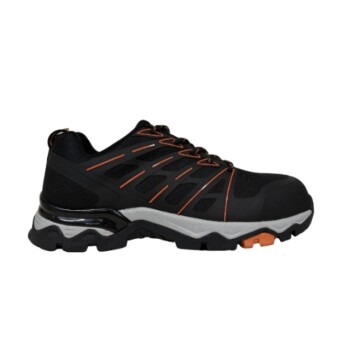
Effective installation of energy-harvesting systems in safety footwear relies on positioning compact, robust piezoelectric components directly within the sole’s high-pressure zones. To achieve this, the layout must utilize precise structural management that maximizes mechanical pressure transfer for energy conversion without compromising the boot's comfort, durability, or safety certifications.
Core Insight: The engineering challenge is not just capturing energy, but integrating the electronics so seamlessly that the footwear retains its heavy-duty structural integrity and original safety ratings.
Strategic Component Placement
Targeting High-Pressure Concentrations
To maximize energy capture, components must be installed specifically in areas of the sole where mechanical pressure is most concentrated.
Placing piezoelectric elements in these load-bearing zones ensures they receive the maximum force generated by human movement.
Facilitating Mechanical Transfer
The internal layout must establish a direct physical link between the user’s footstrike and the harvesting unit.
Efficient mechanical pressure transfer is critical; any cushioning or structural gap that dampens the force before it reaches the piezoelectric element will significantly degrade performance.
Structural Integration Requirements
Compact and Robust Form Factors
Given the harsh operating environment of tactical and safety boots, the harvesting components themselves must feature a compact and robust design.
Bulky or fragile electronics are incompatible with the limited space and high-impact nature of high-performance footwear.
Preserving Comfort and Durability
The integration of electronics must never degrade the user experience.
Proper structural management ensures that the inclusion of hard electronic assemblies does not create pressure points that reduce comfort or introduce weak points that compromise the shoe's overall durability.
Understanding Design Trade-offs and Lifecycle
Modular Design for Serviceability
To support the long operational life expected of high-strength footwear, the initial design should incorporate replaceable elements, such as modular midsoles or outsoles.
Permanent embedding of components can limit the footwear's lifespan to the lifespan of the electronics, whereas modularity allows for targeted replacement.
Maintaining Safety Certifications
Integrating replaceable energy-harvesting modules introduces complexity regarding safety standards.
Refurbishment or component replacement requires professional equipment to ensure the footwear retains its original certifications for impact and puncture resistance; improper reassembly can render the safety features void.
Making the Right Choice for Your Goal
When finalizing your footwear architecture, prioritize your design criteria based on the intended use case:
- If your primary focus is Maximum Energy Yield: Concentrate the layout strictly on the highest pressure points of the sole to optimize mechanical transfer efficiency.
- If your primary focus is Product Longevity: Design the energy-harvesting system within a replaceable midsole unit to allow for maintenance without discarding the upper.
Ultimately, the success of the integration is measured by the system's ability to harvest power invisibly, without the wearer ever sensing a difference in fit or protection.
Summary Table:
| Requirement Category | Key Installation & Layout Strategy | Objective |
|---|---|---|
| Placement | Focus on heel and ball-of-foot zones | Maximize mechanical pressure capture |
| Integration | Compact, robust structural management | Maintain safety ratings and durability |
| Mechanics | Direct physical link (no dampening gaps) | Optimize energy conversion efficiency |
| Maintenance | Modular midsole/outsole design | Support serviceability and longevity |
| Safety | Professional reassembly & testing | Ensure impact/puncture certifications |
Partner with 3515 for Advanced Footwear Engineering
As a premier large-scale manufacturer serving global distributors and brand owners, 3515 provides the technical expertise needed to integrate complex technologies into heavy-duty footwear. Whether you are developing smart tactical boots or high-performance safety shoes, our comprehensive production capabilities ensure your products meet the highest standards of safety and innovation.
Our extensive portfolio includes:
- Flagship Safety & Work Series: ANSI/EN certified impact and puncture resistance.
- Tactical & Outdoor: Rugged designs for extreme environments.
- Training & Sneakers: High-performance ergonomics for active use.
- Dress & Formal: Precision manufacturing for professional bulk requirements.
Ready to elevate your footwear line with cutting-edge integration? Contact our engineering team today to discuss your custom manufacturing needs and how we can bring value to your brand.
References
- K. Gokulraj, M. Abikumar. MICRO POWER GENERATION USING PIEZOELECTRIC TRANSDUCER IN FOOTWEAR. DOI: 10.29121/granthaalayah.v11.i4.2023.5154
This article is also based on technical information from 3515 Knowledge Base .
Related Products
- Premium KPU Injection Athletic Style Safety Shoes
- Premium Lightweight Safety Shoes for Wholesale & Bulk Orders
- Premium KPU Athletic Safety Shoes for Wholesale
- Premium Safety Shoes with Rotating Buckle Safety Sneakers
- Heavy-Duty Waterproof Nubuck Safety Boots Safety Shoes for Bulk Supply
People Also Ask
- How do athletic-style safety shoes balance flexibility and safety? Perfect Agility for Active Professionals
- What is a recommended alternative to using hairspray for slip resistance? Ditch Unreliable Hacks for Real Safety
- What workplace hazards indicate the need for safety shoes? Identify risks to protect your workforce.
- Why should ergonomics and comfort be prioritized when selecting safety shoes? Boost Compliance & Worker Health
- What role does blockchain play in footwear supply chain transparency? Enhance Safety Shoe Traceability and Verification