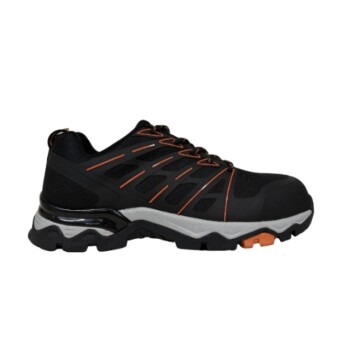
The Desert Boot is a specialized chukka boot characterized by suede uppers, flexible crepe rubber soles, and a minimal two-eyelet lacing system. Originally developed for military use in the Western Desert Campaign of World War II, the design prioritized lightweight breathability and traction on shifting sands. Today, it represents a cornerstone of the footwear industry, blending a rugged tactical heritage with a refined silhouette suitable for global mass-market distribution.
The Desert Boot’s enduring success stems from its "stitch-down" construction and functional simplicity, making it a high-volume staple for brand owners. For distributors, the style offers a unique combination of historical prestige and manufacturing efficiency, provided the supply chain can support premium material sourcing and consistent large-scale output.
The Historical Evolution of the Desert Boot
From South African Fields to Cairo Bazaars
The design traces its lineage back to the seventeenth-century veldskoene (field shoes) worn by Dutch settlers in South Africa. During World War II, South African soldiers brought these lightweight boots to Egypt, where local Cairo cobblers began producing modified versions for British officers. These officers required a more breathable, flexible alternative to standard-issue rigid leather boots for the harsh conditions of North Africa and Burma.
The 1950 Transition to Global Commerce
While the design was born of necessity in the 1940s, its commercial identity was solidified in 1950 and expanded rapidly through the early 1950s. This era marked the transition of the Desert Boot from a regional tactical tool to an international fashion icon. For modern distributors, this heritage since 1951 provides a powerful marketing narrative that resonates with consumers seeking "timeless" and "authentic" footwear.
Core Design and Technical Specifications
The Chukka Silhouette and Shaft Dimensions
The Desert Boot is defined by its ankle-high shaft, typically measuring approximately 10.5 centimeters. It utilizes an "open lacing" system, where the quarters are sewn on top of the vamp, allowing for a wider opening and easier entry. Unlike standard boots, it features a minimal number of eyelets—usually only two pairs—maintaining a clean and lightweight aesthetic.
Material Integrity and Sole Construction
The hallmark of a true Desert Boot is the crepe rubber sole, a natural, pebbled-texture material that provides exceptional grip and flexibility. The uppers are traditionally crafted from premium suede or calf leather, using a "stitch-down" construction method. In this process, the upper material is turned outward and stitched directly to the outsole, enhancing the boot's water resistance and structural longevity.
Manufacturing Excellence for B2B Scale
High-Volume OEM and ODM Capabilities
To meet global demand, brand owners must partner with manufacturers capable of massive production scale. Modern facilities utilize state-of-the-art cutting and lasting equipment to ensure every pair meets the 10.5cm shaft height and stitch-down precision required for the silhouette. This ensures that large-volume deliveries remain consistent in quality, whether for boutique labels or mass-market wholesalers.
International Certifications and Supply Chain Stability
For distributors and resellers, a robust supply chain is non-negotiable to avoid stockouts of this perennial bestseller. Tier-1 manufacturers back their heritage with comprehensive international certifications, ensuring that suede sourcing and crepe rubber production meet global environmental and labor standards. This transparency is critical for brand owners who must protect their reputation while scaling their footwear lines.
Understanding the Trade-offs and Limitations
The Nature of Crepe Rubber
While crepe soles offer unparalleled comfort and a signature look, they are susceptible to heat and chemical erosion. In extremely high temperatures, natural crepe can become slightly "tacky," and it may absorb dirt more readily than synthetic rubber compounds. Distributors must educate retailers on these natural characteristics to manage consumer expectations regarding wear-and-tear.
Maintenance of Suede Uppers
The traditional suede upper provides the boot's iconic matte finish but requires more maintenance than grain leather. It is sensitive to moisture and stains, necessitating the use of protective sprays or high-quality sourcing that includes pre-treated water-resistant properties. High-volume manufacturers often offer these pre-treatments as part of their OEM/ODM capabilities to add value to the end product.
Making the Right Choice for Your Goal
How to Apply This to Your Inventory Strategy
Selecting the right Desert Boot partner depends on your specific business model and the market tier you occupy.
- If your primary focus is Heritage Branding: Prioritize manufacturers with a documented history dating back to the mid-century and a mastery of the traditional two-eyelet stitch-down construction.
- If your primary focus is Global Distribution: Seek partners with proven large-volume delivery capabilities and international certifications to ensure supply chain stability across borders.
- If your primary focus is Product Innovation: Look for state-of-the-art facilities that can offer ODM services, such as modernizing the classic silhouette with water-resistant suedes or hybrid sole technology.
The Desert Boot remains a pillar of the footwear industry because it balances functional military history with a versatile design that continues to drive significant B2B volume.
Summary Table:
| Feature | Technical Specification | B2B Strategic Advantage |
|---|---|---|
| Silhouette | Ankle-high Chukka (approx. 10.5cm) | Versatile appeal for diverse global markets |
| Sole Material | Natural Crepe Rubber | Signature comfort and iconic "pebbled" aesthetic |
| Upper Material | Premium Suede or Calf Leather | High-perceived value for brand positioning |
| Construction | Traditional Stitch-down Method | Enhanced durability and structural longevity |
| Lacing System | Minimalist Two-eyelet Open Lacing | Functional simplicity and manufacturing efficiency |
| Scalability | High-volume OEM/ODM Production | Consistent large-scale delivery for distributors |
Scale Your Footwear Business with 3515 Heritage Manufacturing
Elevate your product line with a partner that masters both historical craftsmanship and modern industrial scale. As a large-scale manufacturer serving distributors and brand owners, 3515 offers comprehensive production capabilities for all footwear types, anchored by our flagship Safety Shoes series. Since 1951, we have provided the robust supply chain stability and premium OEM/ODM support necessary for global success.
Our extensive portfolio meets diverse bulk requirements, including:
- Tactical & Work Boots: Military-grade durability and performance.
- Outdoor & Training Shoes: Versatile designs for active markets.
- Dress & Formal Shoes: Refined silhouettes like the classic Desert Boot.
- Sneakers: High-volume production for mass-market trends.
Ready to secure your supply chain and maximize your profit margins?
Contact Our Export Experts Today to leverage our state-of-the-art equipment and international certifications for your next collection.
Related Products
- Premium Suede Sport Safety Shoes for Wholesale & Bulk Orders
- Premium Lightweight Safety Shoes for Wholesale & Bulk Orders
- Wholesale Anti-Smash & Puncture-Proof Safety Shoes Custom Manufacturing for Brands
- Premium KPU Injection Athletic Style Safety Shoes
- Premium Safety Shoes with Rotating Buckle Safety Sneakers
People Also Ask
- What are the primary functions of professional safety shoes? Maximize Safety in Water Supply Confined Spaces
- What industries have specific OSHA footwear requirements? Ensure Compliance & Protect Your Workforce
- What role do specialized safety shoes play in preventing falls? Engineering Stability in Industrial Environments
- What are the main safety features of S1-S5 shoes? The 3 Essential Protections Explained
- What happens during the cutting stage of safety shoes manufacturing? Precision, Process & Quality