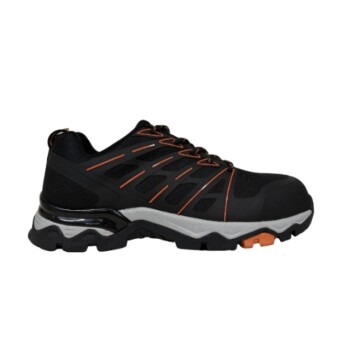
Professional safety shoes act as the foundational layer of physical defense and operational efficiency in construction. They integrate puncture resistance, impact protection, and anti-slip technologies to shield workers from immediate ground hazards. Beyond basic injury prevention, these shoes provide critical ergonomic support that reduces physical fatigue, allowing workers to maintain higher precision and sustained performance levels during long shifts.
While their primary role is blocking physical trauma from sharp objects and heavy loads, the broader management value of safety shoes lies in fatigue reduction and stability. This directly correlates to sustained worker alertness, reduced error rates, and increased overall site productivity.
The Physical Defense Mechanism
Impact and Compression Resistance
Construction sites are dynamic environments where the risk of falling objects is constant. Professional safety shoes utilize hardened toe caps, typically made of steel or high-strength composite materials, to resist crushing injuries.
This feature ensures that accidental impacts from heavy equipment or building materials do not result in debilitating fractures or long-term disability.
Barrier Against Penetration
Ground surfaces on active sites are frequently littered with sharp hazards, such as rebar scraps, nails, and glass. Specialized puncture-resistant midsoles create an impenetrable barrier between the ground and the foot.
By preventing sharp objects from piercing the sole, these shoes neutralize one of the most common causes of disabling foot injuries in the industry.
Stability on Complex Terrain
Falls are a leading cause of construction accidents. Professional footwear addresses this with anti-slip outsoles designed with deep treads and specialized materials that offer traction on wet, uneven, or oily surfaces.
This stability allows workers to move confidently across the site, significantly reducing the probability of slips that could lead to secondary injuries.
Enhancing Operational Performance
Reducing Physical Fatigue
Safety management extends beyond preventing acute injury; it includes managing worker stamina. Ergonomic design and comfortable inner linings in professional footwear absorb shock and support the foot structure.
By alleviating the strain of prolonged standing and walking, these shoes delay the onset of physical exhaustion, keeping workers fresher and more alert.
Increasing Precision and Focus
When workers trust their footing, their attention remains on their immediate task rather than on maintaining balance. Stable support systems within the shoe allow for higher operational precision.
This improved focus leads to higher quality workmanship and fewer errors, directly contributing to the project's overall efficiency.
Strategic Safety Management
Mitigating Project Risk and Liability
The standardized use of professional footwear is a proactive risk management strategy. By directly reducing the frequency of accidents, site managers can prevent project delays and legal liabilities associated with industrial injuries.
Fewer accidents mean fewer work stoppages and lower insurance costs, protecting the project's timeline and budget.
A Visible Indicator of Safety Culture
The usage rate of professional safety boots serves as a tangible metric for a site's safety culture maturity. Widespread compliance indicates a disciplined workforce and a management team committed to advanced safety strategies.
This creates a psychological environment where safety is prioritized, encouraging adherence to other critical protocols like the use of helmets and harnesses.
Understanding the Trade-offs
Weight vs. Fatigue
While maximum protection is desirable, it often comes with increased weight, particularly with steel-toed variants. Heavier shoes can contribute to leg fatigue over time, potentially counteracting some ergonomic benefits. Managers must balance the level of protection required with the mobility needs of the specific role.
Specificity of Protection
Not all safety shoes protect against all hazards equally. For example, standard safety shoes may not offer electrical insulation unless specifically rated for it. Relying on a general-purpose shoe for specialized hazards (like high-voltage electrical work) is a dangerous oversight in safety planning.
Making the Right Choice for Your Site
Selecting the correct footwear is a strategic decision that varies based on the specific phase of construction and the hazards present.
- If your primary focus is heavy structural work: Prioritize shoes with reinforced steel toe caps and aggressive puncture resistance to handle falling debris and scrap metal.
- If your primary focus is electrical installation: Ensure the footwear is explicitly rated as "insulating" to utilize high electrical resistance for blocking current circuits.
- If your primary focus is finishing and mobility: Select composite-toe options with advanced ergonomic cushioning to maximize agility and reduce fatigue during high-movement tasks.
Ultimately, professional safety shoes transform foot protection from a passive requirement into an active tool for sustaining site productivity.
Summary Table:
| Feature | Primary Functional Benefit | Impact on Site Management |
|---|---|---|
| Reinforced Toe Caps | Impact & Compression Resistance | Prevents fractures from falling debris/equipment. |
| Puncture Midsoles | Penetration Protection | Eliminates injuries from nails, rebar, and scrap metal. |
| Anti-slip Outsoles | Traction & Stability | Reduces falls on wet, oily, or uneven terrains. |
| Ergonomic Cushioning | Fatigue Reduction | Sustains worker alertness and reduces physical errors. |
| Standard Compliance | Risk Mitigation | Lowers insurance costs and prevents project delays. |
Partner with 3515 for Superior Footwear Solutions
As a large-scale manufacturer serving distributors and brand owners, 3515 offers comprehensive production capabilities for all footwear types. Our flagship Safety Shoes series is engineered to provide maximum physical defense and ergonomic support, ensuring your workforce remains productive and protected.
Beyond safety, our extensive portfolio includes:
- Work & Tactical Boots
- Outdoor & Training Shoes
- Sneakers & Dress/Formal Shoes
Take advantage of our industrial-scale manufacturing and diverse bulk options to elevate your brand's performance. Contact us today to discuss your specific requirements and see how our expertise can benefit your business.
References
- Karim El-Dash, Rasha Mohammed Salih. AN INTENSIVE REVIEW ON HEALTH AND SAFELY FACTORS AFFECTING CONSTRUCTION PROJECTS' PRODUCTIVITY. DOI: 10.21608/auej.2022.216593
This article is also based on technical information from 3515 Knowledge Base .
Related Products
- Premium Suede Sport Safety Shoes for Wholesale & Bulk Orders
- Premium Lightweight Safety Shoes for Wholesale & Bulk Orders
- Wholesale Anti-Smash & Puncture-Proof Safety Shoes Custom Manufacturing for Brands
- Premium KPU Injection Athletic Style Safety Shoes
- Premium Safety Shoes with Rotating Buckle Safety Sneakers
People Also Ask
- What industries have specific OSHA footwear requirements? Ensure Compliance & Protect Your Workforce
- What are the primary functions of professional safety shoes? Maximize Safety in Water Supply Confined Spaces
- What role do specialized safety shoes play in preventing falls? Engineering Stability in Industrial Environments
- Why is barefoot walking used as a baseline in gait safety research? Unlocking Natural Biomechanics for Shoe Design
- How do gait analysis algorithms ensure accuracy in footwear? Master Step Length Precision for Boots & Sneakers