Plant-based synthetic leathers derived from agricultural by-products like cactus and corn offer a decisive shift in footwear manufacturing by significantly lowering the carbon footprint compared to traditional animal leather or petroleum-based synthetics. Functionally, these materials effectively simulate the texture and durability required for high-quality footwear, allowing manufacturers to meet rigorous market demands for performance while adhering to animal welfare standards and reducing reliance on fossil fuels.
Core Takeaway: Adopting plant-based synthetics is a strategic move toward a circular economy, enabling brands to maintain product quality and durability while drastically reducing environmental burdens through biodegradability and simplified end-of-life processing.
The Environmental Edge: Moving Toward Circularity
Reducing Carbon and Resource Impact
The most immediate benefit of using cactus or corn-derived materials is the significant reduction in carbon footprint. Unlike animal leather, which requires resource-intensive farming, or petroleum synthetics that rely on fossil fuel extraction, these plant-based options utilize organic by-products. This minimizes the long-term occupation of land and resources typically associated with traditional material sourcing.
Enhancing Biodegradability
A critical advantage of these materials is their ability to address the industry's waste crisis. Because they are highly biodegradable, they break down much more effectively than plastic-based alternatives. This characteristic directly reduces the environmental burden during the waste and disposal phase.
Enabling Green Production Cycles
Integrating these materials supports the transition to a circular economy. By simplifying end-of-life processing, manufacturers can minimize harmful emissions associated with incineration or landfill accumulation. This aligns production cycles with modern ecological consumption trends.
Functional Performance and Market Viability
Simulating Premium Textures
From a design perspective, plant-based synthetics are engineered to effectively simulate the texture of traditional leather. This allows footwear brands to maintain the aesthetic appeal and tactile quality that consumers expect from premium products, without the ethical concerns of using animal hides.
Meeting Durability Standards
Sustainability does not come at the cost of longevity. These materials are developed to meet the necessary functional and quality requirements of footwear. They offer the durability needed to withstand daily wear, ensuring that the shoe's lifespan is comparable to products made with conventional materials.
Addressing Ethical Consumer Demands
Using corn or cactus leather satisfies the growing market demand for animal welfare. It provides a solution that is ethically sound without forcing consumers to compromise on the performance or "feel" of the shoe.
Understanding the Trade-offs
Simulation vs. Replication
While these materials are highly effective, the primary reference notes they simulate texture and durability. For manufacturers accustomed to the specific natural irregularities and aging processes of animal leather, plant-based options offer a consistent, engineered uniformity. This is a functional difference that designers must account for; it is an alternative, not a biological clone.
Dependence on Disposal Infrastructure
The environmental benefits, particularly regarding waste reduction, rely heavily on proper end-of-life processing. While the material is biodegradable, the full ecological advantage is only realized when the finished product is disposed of in a way that allows this degradation to occur, rather than being trapped in anaerobic landfill conditions.
Making the Right Choice for Your Goal
To determine if plant-based synthetics are the right fit for your footwear line, consider your primary objectives:
- If your primary focus is Environmental Impact: Prioritize these materials to achieve a lower carbon footprint and align with circular economy principles through improved biodegradability.
- If your primary focus is Product Performance: Use these synthetics to replicate the look and feel of leather while ensuring the product meets standard durability requirements without ethical compromises.
Summary: Cactus and corn-based leathers provide a viable, high-performance pathway to decarbonize footwear production while satisfying the modern consumer's demand for ethical and durable products.
Summary Table:
| Feature | Plant-Based Leather (Cactus/Corn) | Traditional Animal Leather | Petroleum-Based Synthetic |
|---|---|---|---|
| Carbon Footprint | Significantly Lower | High (Resource Intensive) | Moderate to High |
| Material Source | Agricultural By-products | Livestock Farming | Fossil Fuels |
| Biodegradability | High | Variable (Tanning dependent) | Low / Non-biodegradable |
| Ethics | Cruelty-free / Vegan | Animal Welfare Concerns | Vegan / Plastic issues |
| Durability | High / Engineered | High / Natural | Variable |
| Texture | Simulated Premium Feel | Natural Grain | Synthetic Texture |
Elevate Your Sustainable Footwear Line with 3515
As a large-scale manufacturer serving global distributors and brand owners, 3515 offers comprehensive production capabilities to help you transition to eco-friendly materials without sacrificing performance. Our expertise ensures that plant-based synthetics like cactus and corn leather are seamlessly integrated into your designs, providing the durability and aesthetic your customers demand.
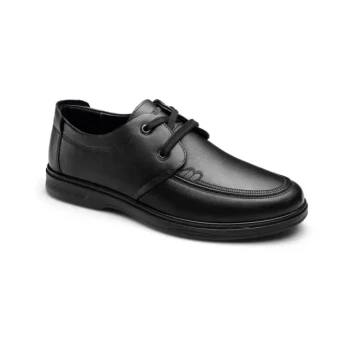
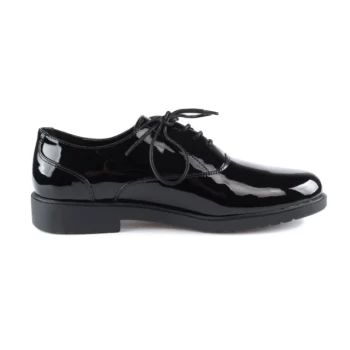
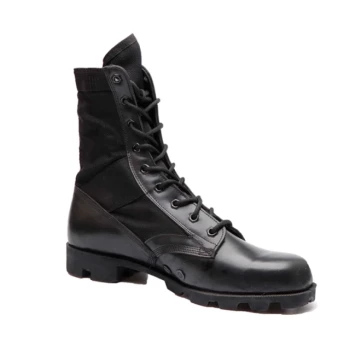
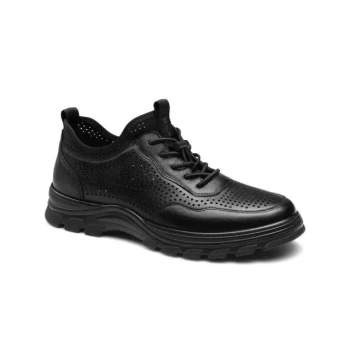
From our flagship Safety Shoes series to work and tactical boots, outdoor shoes, training shoes, and formal dress footwear, we provide the bulk manufacturing power to bring your sustainable vision to life. Partner with us to achieve a lower carbon footprint and lead the shift toward a circular economy.
Contact 3515 today to start your production journey!
References
- Seonju Kam, Youngsun Yoo. Practice of sustainable fashion design considering customer emotions and personal tastes. DOI: 10.3389/fpsyg.2022.976471
This article is also based on technical information from 3515 Knowledge Base .
Related Products
- Custom Manufactured Air Cushion Leather Business Shoes for Wholesale
- Durable Leather High-Ankle Tactical Boots for Wholesale & Custom Manufacturing
- Lightweight Breathable Sneakers with Wet-Traction Grip for Wholesale & Private Label
- Wholesale Durable Safety Boots Manufacturer Customizable Steel Toe Work Boots
- Durable Rubber Sole Outdoor Shoes Wholesale & Custom Manufacturing
People Also Ask
- What kind of shoes do businessmen wear? Master the Dress Code for Professional Success
- What are the essential business shoes every man should own? Build a Professional Wardrobe Foundation
- What are the benefits of lubricating work shoes? Protect Your Investment & Extend Lifespan
- What type of boots are suitable for challenging weather conditions in a business setting? | Durable & Professional Footwear
- When is saddle soap recommended for cleaning leather shoes? A Guide to Deep Restoration