
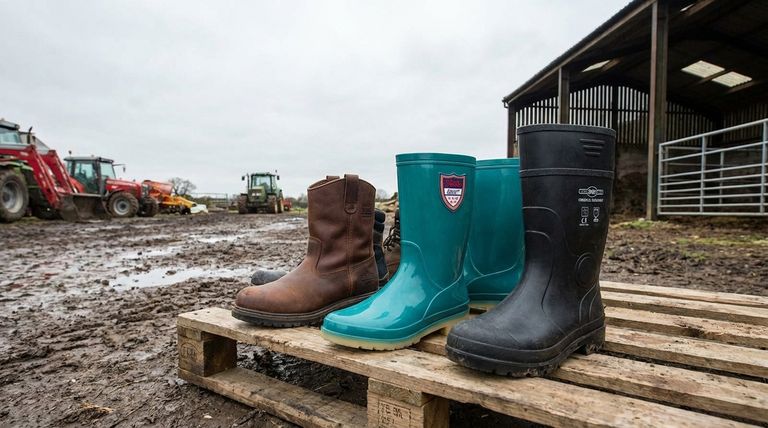
At its core, a Wellington boot is defined by its purpose. The main types are categorized not just by style, but by the specific environment they are built to withstand. These include classic rubber boots for general wet conditions, durable leather work boots for demanding job sites, and specialized models designed for unique hazards like chemicals or extreme cold.
The term "Wellington" has evolved. While it once meant a simple rubber boot, it now encompasses a broader category of pull-on boots. The key to choosing the right one is to look past the silhouette and focus on the material, construction, and safety features that match your specific task.
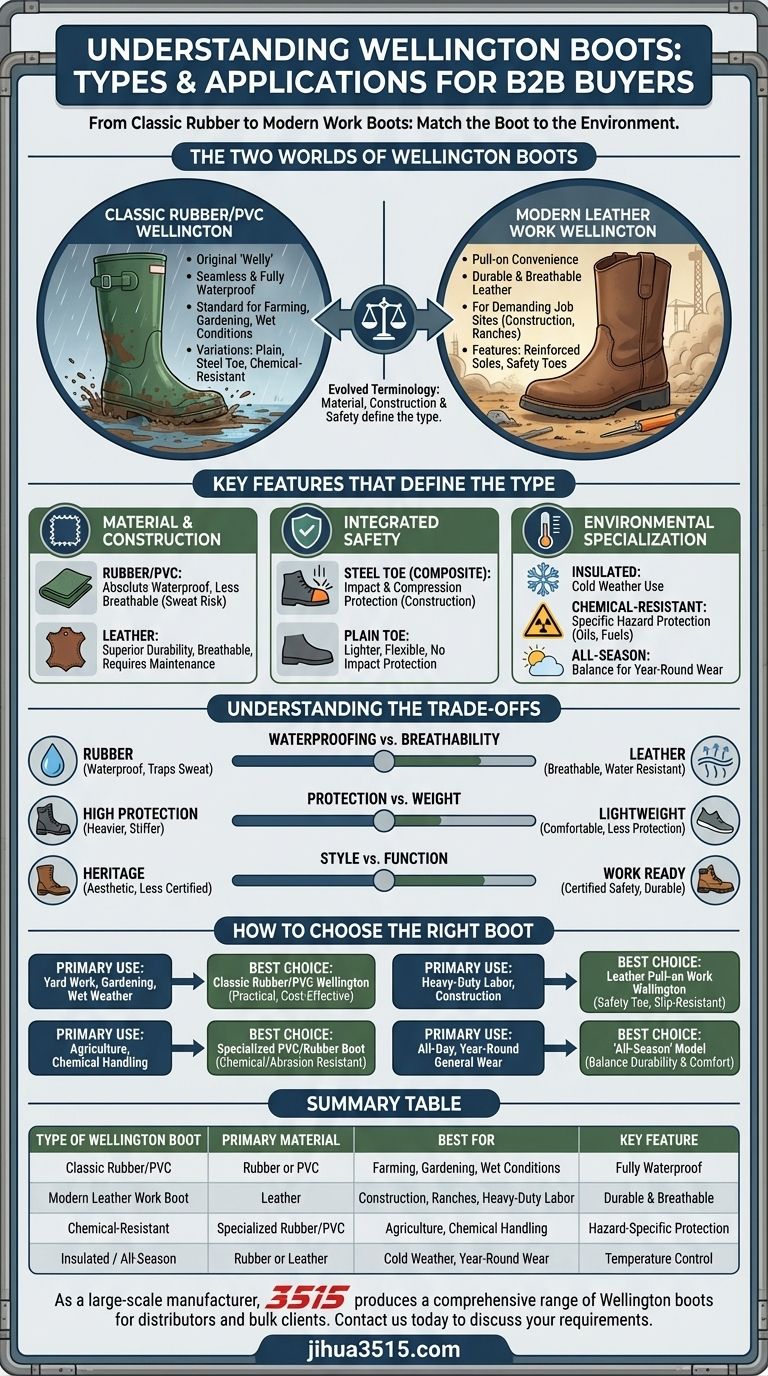
The Two Worlds of Wellington Boots
To understand the different types, it's helpful to separate them into two primary categories: the traditional waterproof boot and the modern pull-on work boot.
The Classic Rubber/PVC Wellington
This is the original "Welly." It is a seamless, waterproof boot designed to keep your feet dry in wet, muddy conditions. It's the standard for farming, gardening, and general outdoor use in rainy weather.
These boots are almost always made of rubber or PVC. Their primary variations relate to their intended level of protection, often for work environments. This includes plain toe models for general use, steel toe versions for impact protection, and chemical-resistant models designed to withstand specific hazardous materials.
The Modern Leather Work Wellington
This style adopts the pull-on convenience of the classic Wellington but is built like a serious work boot. It swaps waterproof rubber for durable, breathable leather.
These are often referred to as Chore Boots or Work Boots. They are designed for demanding, dry-to-damp conditions on farms, ranches, and construction sites where all-day comfort and durability are more important than 100% waterproofness. They often feature reinforced soles and safety toes.
Key Features That Define the Type
Beyond the basic construction, specific features are what truly separate one type of Wellington from another. Understanding these will help you identify the right tool for the job.
Material and Construction
The material is the most significant differentiator. Rubber or PVC offers absolute waterproof protection but does not breathe, which can be uncomfortable over long periods. Leather offers superior durability, abrasion resistance, and breathability but requires maintenance to remain water-resistant.
Integrated Safety Features
For professional use, safety is paramount. Steel toe (or composite toe) caps protect against falling objects and compression, a requirement on most construction sites. Softer plain toe models are lighter and more flexible but offer no impact protection.
Environmental Specialization
Some Wellingtons are built for specific challenges. Insulated boots are designed for use in cold weather, while specialized chemical-resistant boots are made from compounds that won't degrade when exposed to oils, fuels, or agricultural chemicals. There are also versatile "All-Season" or "365" models that aim to provide a balance of features for year-round wear.
Understanding the Trade-offs
Choosing a Wellington boot always involves balancing competing benefits. Being aware of these trade-offs is key to avoiding a poor choice.
Waterproofing vs. Breathability
This is the fundamental trade-off. A fully waterproof rubber boot will keep water out, but it will also trap sweat in. A leather boot breathes better, keeping your feet drier from the inside, but it will eventually fail in standing water or perpetual rain without proper care.
Protection vs. Weight
Features like steel toes, thick midsoles, and chemical-resistant materials add incredible protection. However, they also add significant weight and rigidity, which can lead to fatigue over a long workday. A lightweight boot will be more comfortable but far less protective.
Style vs. Function
Finally, some boots, often called Heritage Wellingtons, focus on traditional craftsmanship, premium leathers, and aesthetic appeal. While exceptionally well-made, they may not have the certified safety features or specialized durability required for a true work environment.
How to Choose the Right Wellington Boot
Your choice should be guided entirely by your primary use case.
- If your primary focus is yard work, gardening, or occasional wet weather: A classic rubber or PVC Wellington is your most practical and cost-effective choice.
- If your primary focus is heavy-duty labor or construction: Prioritize a leather pull-on work Wellington with a certified safety toe and a slip-resistant sole.
- If your primary focus is agriculture or handling chemicals: You need a specialized PVC or rubber boot explicitly rated for chemical and abrasion resistance.
- If your primary focus is all-day, year-round general wear: Look for a lighter-weight "All-Season" model that balances durability with comfort and breathability.
By matching the boot’s core design to your daily demands, you ensure you have a reliable tool that provides the right protection and comfort.
Summary Table:
| Type of Wellington Boot | Primary Material | Best For | Key Feature |
|---|---|---|---|
| Classic Rubber/PVC | Rubber or PVC | Farming, Gardening, General Wet Conditions | Fully Waterproof |
| Modern Leather Work Boot | Leather | Construction, Ranches, Heavy-Duty Labor | Durable & Breathable |
| Chemical-Resistant | Specialized Rubber/PVC | Agriculture, Chemical Handling | Hazard-Specific Protection |
| Insulated / All-Season | Rubber or Leather | Cold Weather, Year-Round Wear | Temperature Control |
As a large-scale manufacturer, 3515 produces a comprehensive range of Wellington boots for distributors, brand owners, and bulk clients.
Whether you need classic waterproof models, durable leather work boots, or specialized chemical-resistant designs, we have the production capabilities to meet your exact specifications. Our expertise ensures you get reliable, high-quality footwear tailored to your market's demands.
Contact us today to discuss your Wellington boot requirements and discover how we can support your business growth. Get in touch now!
Visual Guide
Related Products
- Durable Waterproof Rain Boots | Custom Manufacturer for Wholesale & Brands
- Durable Goodyear Welt Leather Work Boots for Wholesale & Private Label
- Wholesale Durable Leather Work Boots | 8-Inch Goodyear Welt Manufacturer
- High-Traction Suede Tactical Boots Wholesale & Custom Manufacturing
- Durable Leather Tactical Boots Wholesale & Custom Manufacturing for Brands
People Also Ask
- What are the main materials for waterproof rain boots? Choose the Right Material for Durability & Comfort
- What is the overall recommendation for choosing rain boot materials? A Guide to Rubber vs. PVC
- How does boot height affect waterproofing? Choose the Right Height for Ultimate Protection
- Why are rain boots more flexible and comfortable than snow boots? The Key Differences Explained
- What are the best types of shoes for different gardening conditions? Find Your Perfect Match.



















