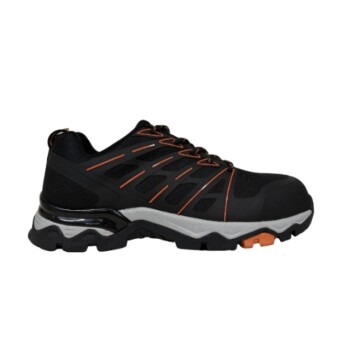
The critical distinction lies in structural integrity. Standard training shoes are designed for lightweight flexibility, making them fundamentally incapable of resisting industrial-grade compression or sharp punctures. Reinforced safety shoes and tactical boots differ by utilizing enhanced structures and wear-resistant materials specifically engineered to withstand mechanical crushing, chemical exposure, and harsh industrial surfaces.
Core Insight: While training shoes optimize for agility, they create a dangerous vulnerability in industrial settings. Specialized safety footwear serves as a fundamental hardware component that ensures physical safeguarding against crushing and environmental hazards, while simultaneously boosting psychological confidence to perform tasks effectively.
The Structural Deficit of Standard Footwear
Lack of Compression Resistance
Standard training shoes are built with soft upper materials intended for breathability and foot flexion.
In a high-risk manufacturing environment, these materials offer zero protection against mechanical crushing. If a heavy component or rolling object impacts the foot, the structure of a standard shoe will collapse immediately, transferring the full force to the wearer.
Vulnerability to Puncture
The soles of athletic shoes are designed to absorb shock, often utilizing soft foam or rubber compounds.
These materials are easily penetrated by sharp debris common in manufacturing, such as metal shavings, nails, or glass. Standard footwear lacks the puncture-resistant plates or high-density outsoles required to prevent sharp objects from piercing through to the foot.
Critical Features of Reinforced Footwear
Enhanced Impact Protection
Safety shoes and tactical boots are built around a protective chassis.
This includes safety toe caps—typically made of steel, aluminum, or composite materials—which provide a rigid shield against falling or rolling objects. This hardware is the primary defense against impact injuries that would otherwise crush the toes.
Chemical and Surface Durability
Industrial floors often present hazards beyond physical impact, including oil, chemical residues, and slick surfaces.
Reinforced footwear utilizes wear-resistant materials specifically tested to withstand corrosive chemicals that would degrade standard shoe adhesives and fabrics. Furthermore, specialized tread patterns provide slip resistance, ensuring traction on wet or oily surfaces where standard trainers would lose grip.
Environmental Shielding
High-risk environments often involve exposure to the elements or dangerous energy sources.
Tactical and safety boots often incorporate waterproofing and insulation for wet or cold climates, maintaining foot health. Additionally, specific models offer Electrical Hazard (EH) protection, isolating the wearer from open circuits—a feature completely absent in standard athletic gear.
Understanding the Trade-offs
Weight and Fatigue
The inclusion of steel toes, puncture plates, and heavy-duty leather adds significant weight.
While necessary for protection, this increased mass can lead to greater leg fatigue over long shifts compared to lightweight trainers. Users must condition themselves to the difference in weight to maintain agility.
Break-in Period and Fit
Unlike the "out-of-the-box" comfort of training shoes, reinforced footwear often requires a break-in period.
The rigid materials that provide protection can initially feel stiff. Ensuring proper ergonomics and arch support is critical; without it, the protective benefits of the shoe can be negated by long-term musculoskeletal strain or discomfort.
Making the Right Choice for Your Environment
Effective selection requires a thorough hazard assessment of your specific job site. You must match the footwear's engineering to the dominant risks you face.
- If your primary focus is heavy mechanical hazards: Prioritize boots with steel or composite safety toe caps and metatarsal guards to prevent crushing injuries.
- If your primary focus is slip and fall prevention: Look for footwear with high-grade slip-resistant outsoles capable of gripping surfaces coated in oil or chemicals.
- If your primary focus is electrical safety: Ensure the footwear is rated for Electrical Hazard (EH) protection to insulate against live currents.
- If your primary focus is all-day endurance: Select composite-toe options to reduce weight and prioritize models with advanced cushioning and arch support to minimize fatigue.
The right safety footwear is not just a uniform requirement; it is a critical investment that removes physical barriers, allowing you to focus on the task at hand with confidence.
Summary Table:
| Feature | Standard Training Shoes | Reinforced Safety/Tactical Boots |
|---|---|---|
| Toe Protection | None (Soft fabric/mesh) | Safety Toe Caps (Steel/Composite) |
| Puncture Resistance | Minimal (Foam/Soft rubber) | High (Puncture-resistant plates) |
| Chemical Resistance | Low (Adhesives degrade) | High (Specialized wear-resistant materials) |
| Electrical Safety | N/A | Electrical Hazard (EH) Rated options |
| Slip Resistance | Variable (General grip) | Industrial Grade (Oil/Slick surface optimized) |
Secure Your Workforce with Industrial-Grade Footwear
As a large-scale manufacturer serving distributors and brand owners, 3515 offers comprehensive production capabilities for all footwear types, anchored by our flagship Safety Shoes series. Our extensive portfolio covers work and tactical boots, outdoor shoes, training shoes, and sneakers, as well as Dress & Formal shoes to meet diverse bulk requirements.
Partner with us to provide your customers with footwear that balances structural integrity with ergonomic comfort. Contact us today to discuss your specific manufacturing needs and bulk orders!
References
- James Akinbode, Julianah Funmilayo AKINTUNDE-ADEYI. Health and Safety Issues in Selected Nigerian Medium-Sized Manufacturing Firms. DOI: 10.20473/ijosh.v13i3.2024.334-342
This article is also based on technical information from 3515 Knowledge Base .
Related Products
- Premium KPU Injection Athletic Style Safety Shoes
- Premium Safety Shoes with Rotating Buckle Safety Sneakers
- Premium Suede Sport Safety Shoes for Wholesale & Bulk Orders
- Advanced KPU Athletic Safety Shoe with Steel Toe Cap Anti-Slip Rotary Lacing System
- Premium KPU Athletic Safety Shoes for Wholesale
People Also Ask
- How do athletic-style safety shoes balance flexibility and safety? Perfect Agility for Active Professionals
- What is a recommended alternative to using hairspray for slip resistance? Ditch Unreliable Hacks for Real Safety
- What workplace hazards indicate the need for safety shoes? Identify risks to protect your workforce.
- Why should ergonomics and comfort be prioritized when selecting safety shoes? Boost Compliance & Worker Health
- What role does blockchain play in footwear supply chain transparency? Enhance Safety Shoe Traceability and Verification