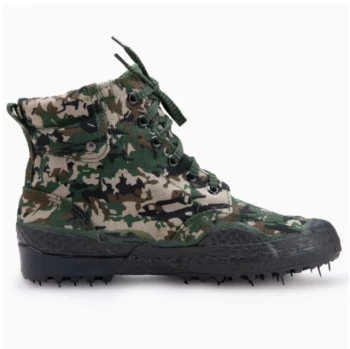
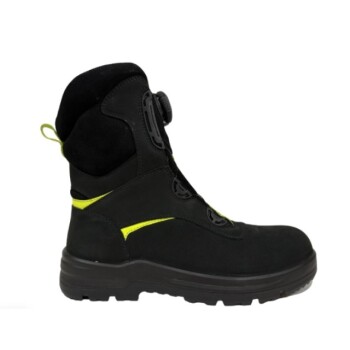
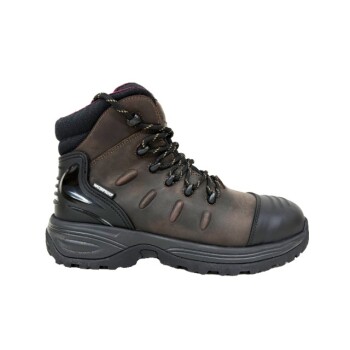
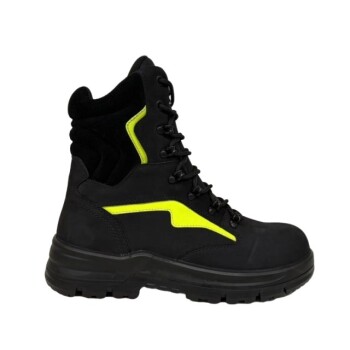
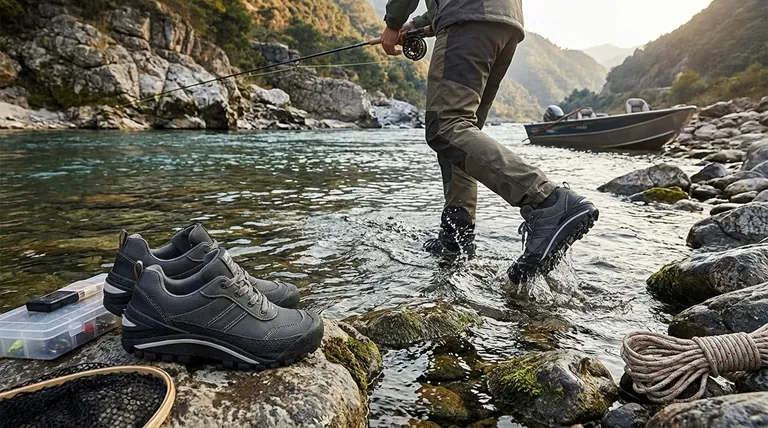
At their core, good fishing boots are built to keep you stable, dry, and comfortable in demanding aquatic environments. The best options are lightweight and feature anti-slip rubber soles for superior traction, paired with waterproof uppers made from materials like neoprene to provide an impenetrable shield against water.
The truly defining characteristic of a good fishing boot is not a universal checklist of features, but how well its specific design matches the environment you fish in. The goal is to create a stable, dry foundation that allows you to focus on fishing, not your feet.
The Core Pillars of Performance
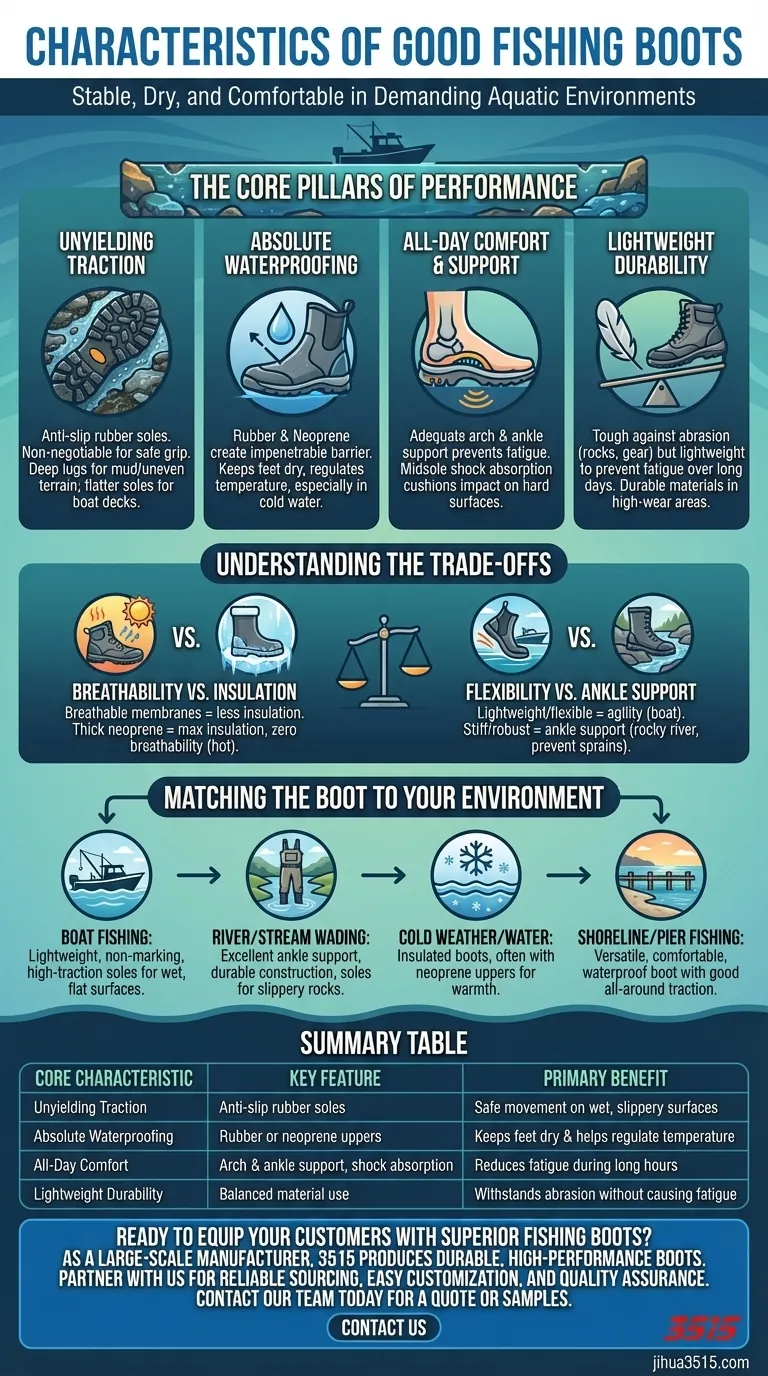
Every quality fishing boot is built on a foundation of four key characteristics. Understanding these principles is the first step in making an informed choice.
Unyielding Traction
A slip on a wet rock or a slick boat deck can be dangerous. Anti-slip rubber soles are non-negotiable for providing the grip necessary to move safely and confidently. The tread pattern is also crucial; deep, aggressive lugs are better for mud and uneven terrain, while a flatter, high-contact sole may be better for a boat deck.
Absolute Waterproofing
The primary job of a fishing boot is to keep your feet dry. Materials like rubber and neoprene are the industry standard for creating a completely waterproof barrier. This not only prevents discomfort but also helps regulate temperature, keeping your feet warmer in cold water.
All-Day Comfort and Support
Long hours of standing, wading, and walking demand proper support. Good boots provide adequate arch and ankle support to prevent fatigue and instability. Shock absorption in the midsole also plays a key role, cushioning your feet from the impact of walking on hard, uneven surfaces.
Lightweight Durability
A fishing boot must be tough enough to withstand abrasion from rocks, sand, and gear. However, it also needs to be lightweight enough that it doesn't cause fatigue over a long day. The best boots strike a careful balance, using durable materials in high-wear areas without adding unnecessary bulk.
Understanding the Trade-offs
No single boot is perfect for every situation. Choosing the right one often involves balancing competing characteristics based on your specific needs.
Breathability vs. Insulation
A fully waterproof boot made of rubber or thick neoprene offers excellent insulation for cold water but will have zero breathability. In warmer climates, this can lead to sweaty, uncomfortable feet. Lighter, more modern boots may incorporate breathable waterproof membranes, but this can sometimes come at the expense of absolute durability or insulation.
Flexibility vs. Ankle Support
A highly flexible, lightweight boot is comfortable and agile, making it ideal for moving around on a boat. However, a wading boot used on a rocky, fast-moving river requires a much stiffer design with robust ankle support to prevent twists and sprains. More support almost always means less flexibility.
General Use vs. Specialized Safety
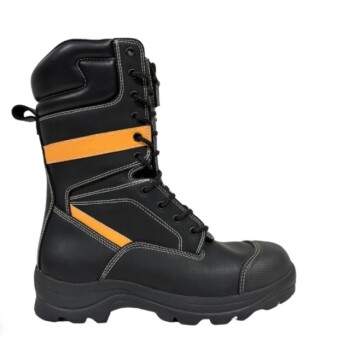
Most fishing doesn't require industrial safety features. However, if your environment includes unique hazards like sharp oyster beds, submerged debris, or industrial shorelines, you might consider boots with puncture-resistant soles or protective toe caps. These are specialized features, not standard requirements, and will add weight and stiffness.
Matching the Boot to Your Environment
Ultimately, the right choice depends entirely on where and how you fish. Use your primary activity as your guide.
- If you primarily fish from a boat: Prioritize a lightweight design with non-marking, high-traction soles specifically made for wet, flat surfaces.
- If you wade in rivers and streams: Focus on excellent ankle support, durable construction to resist abrasion, and soles designed for grip on slippery rocks.
- If you fish in cold weather or water: Insulated boots, often with neoprene uppers, are essential for maintaining warmth and comfort.
- If your primary focus is shoreline or pier fishing: A versatile, comfortable, and waterproof boot with good all-around traction will serve you well.
Choosing the right fishing boot is an investment in your safety, comfort, and endurance on the water.
Summary Table:
| Core Characteristic | Key Feature | Primary Benefit |
|---|---|---|
| Unyielding Traction | Anti-slip rubber soles | Safe movement on wet, slippery surfaces |
| Absolute Waterproofing | Rubber or neoprene uppers | Keeps feet dry and helps regulate temperature |
| All-Day Comfort | Arch & ankle support, shock absorption | Reduces fatigue during long hours |
| Lightweight Durability | Balanced material use | Withstands abrasion without causing fatigue |
Ready to Equip Your Customers with Superior Fishing Boots?
As a large-scale manufacturer, 3515 produces a comprehensive range of durable, high-performance fishing boots for distributors, brand owners, and bulk clients. Our production capabilities encompass all types of footwear, ensuring you get the perfect boot for every fishing environment—from lightweight boat shoes to rugged wading boots.
Partner with us to:
- Source Reliably: Access consistent, high-volume production.
- Customize with Ease: Develop private-label boots tailored to your market's needs.
- Ensure Quality: Benefit from our expertise in crafting footwear built for performance and comfort.
Let's discuss your specific requirements. Contact our team today to get a quote or request samples.
Visual Guide
Related Products
- Wholesale Waterproof Tactical Boots Custom Suede & High-Traction Soles
- Durable Spiked Camouflage Boots Wholesale & Factory Production
- Premium High-Cut Waterproof Safety Boots Manufacturing & Wholesale Solutions
- Durable Leather Tactical Boots Wholesale & Custom Manufacturing for Brands
- Wholesale Tactical Boots High-Traction & Reflective for Bulk & Brand Orders
People Also Ask
- What waterproof technology is used in tactical boots? Unlock All-Weather Performance & Protection
- What are the advantages and disadvantages of waterproof tactical boots? A Guide to the Key Trade-Offs
- What is the significance of waterproof functionality in tactical boots? Essential for Health & Performance
- What is the role of professional 3D medical imaging software in optimizing tactical boot design and performance?
- What features enhance breathability and comfort in tactical boots? A Guide to Superior Footwear Performance