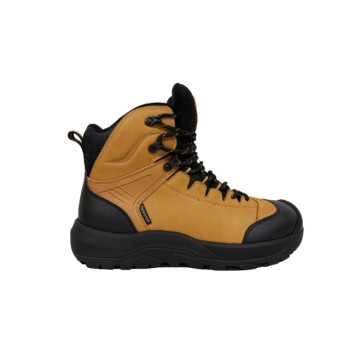
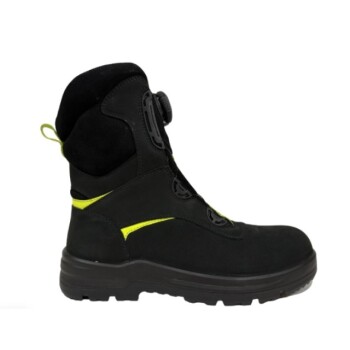
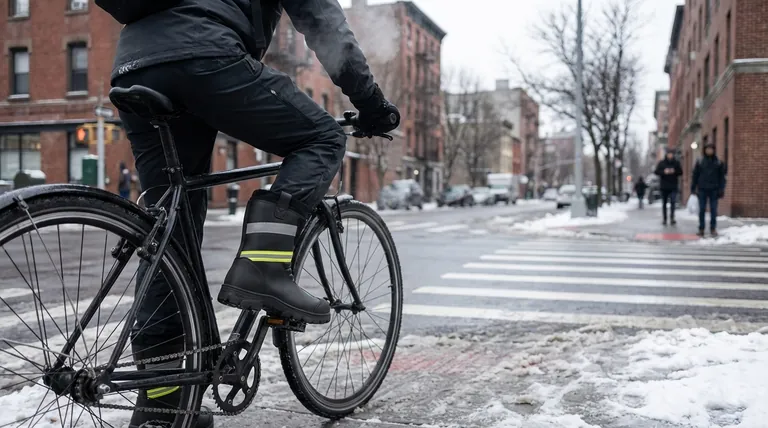
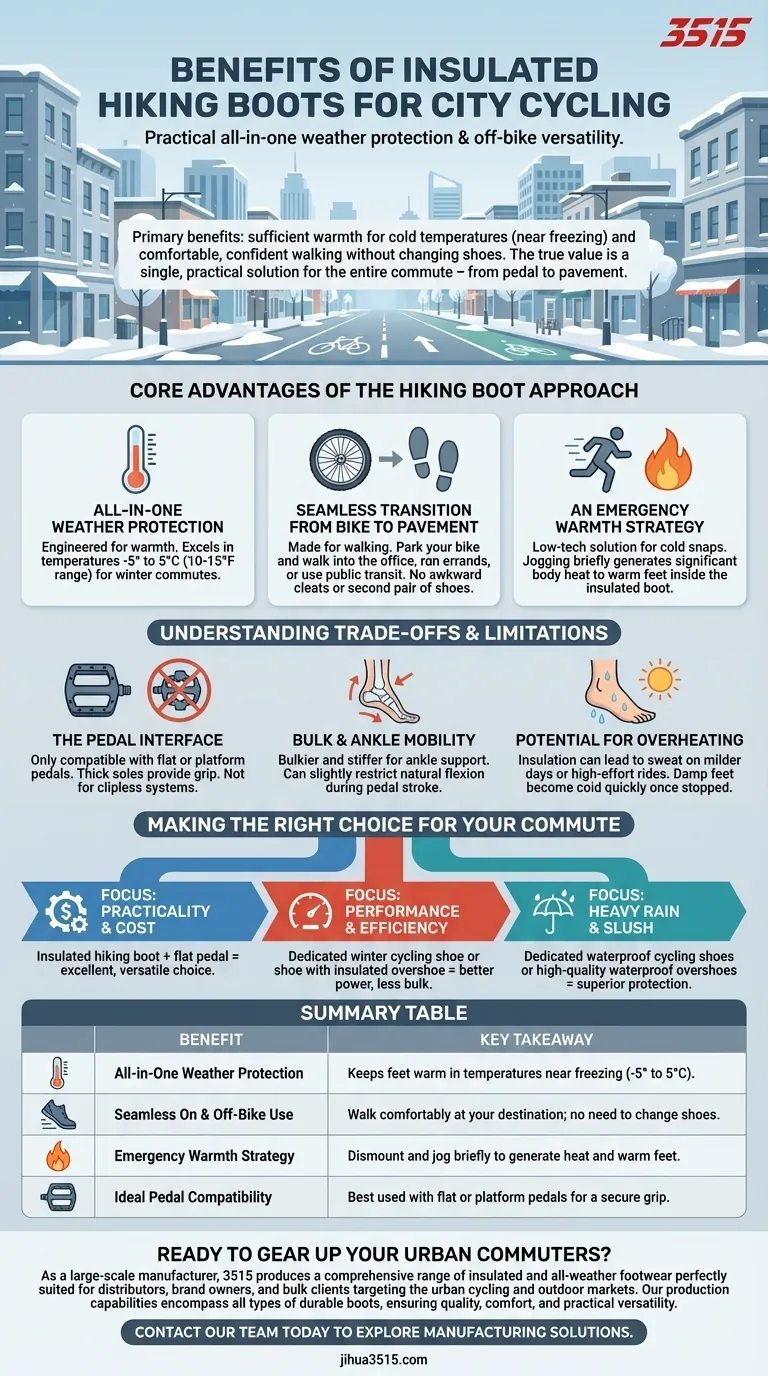
The primary benefits of using insulated hiking boots for city cycling are a practical combination of all-in-one weather protection and off-bike versatility. They provide sufficient warmth for a wide range of cold temperatures, especially near freezing, while also allowing you to walk comfortably and confidently once you reach your destination without needing to change shoes.
The true value of insulated hiking boots for urban cycling is not in optimizing on-bike performance, but in providing a single, highly practical solution for the entire commute—from the pedal to the pavement.
The Core Advantages of the Hiking Boot Approach
Choosing footwear for cold-weather commuting involves balancing performance, comfort, and practicality. For many urban riders, insulated hiking boots represent a highly effective compromise that simplifies their daily routine.
All-in-One Weather Protection
Insulated hiking boots are engineered to keep your feet warm in cold conditions. This is their most direct and important benefit for a cyclist.
They excel in temperatures hovering within 10-15ºF of freezing (around -5º to 5ºC), a common range for winter commutes in many cities.
Seamless Transition from Bike to Pavement
Unlike specialized cycling shoes, hiking boots are made for walking. This is a critical advantage for the city commuter.
You can comfortably park your bike and walk into the office, run errands, or navigate public transit without the awkwardness of cycling cleats or the need to carry a second pair of shoes.
An Emergency Warmth Strategy
The robust nature of hiking boots provides a unique, low-tech solution for unexpected cold snaps.
If you find your feet getting uncomfortably cold, you can simply dismount and jog for a few moments. This generates significant body heat, quickly warming your feet inside the insulated boot—a strategy not as effective with less-insulated footwear.
Understanding the Trade-offs and Limitations
While highly practical, using hiking boots for cycling is not without its compromises. True expertise means understanding both the strengths and weaknesses of any approach.
The Pedal Interface
Insulated hiking boots are only compatible with flat or platform pedals. Their thick, grippy soles are ideal for this setup.
If you use a clipless pedal system, which requires a specific cleat to be bolted to the shoe, hiking boots are not a viable option. You would need dedicated cycling shoes.
Bulk and Ankle Mobility
Hiking boots are inherently bulkier and stiffer than any cycling-specific shoe. This is by design, as they need to support your ankle over uneven terrain.
On a bicycle, this stiffness can slightly restrict the natural flexion of your ankle during the pedal stroke. For a casual commute, this is rarely an issue, but it is a noticeable difference from more flexible footwear.
Potential for Overheating
The same insulation that keeps you warm in the cold can become a liability on milder days or during very high-effort rides.
If your feet get too warm, they will sweat. Damp feet can then become cold very quickly once you stop moving, defeating the purpose of the insulation.
Making the Right Choice for Your Commute
Your ideal footwear depends entirely on your priorities as a rider. There is no single "best" solution, only the one that best fits your specific needs and equipment.
- If your primary focus is practicality and cost-effectiveness: An insulated hiking boot paired with a flat pedal is an excellent and versatile choice for most cold-weather urban commuting.
- If your primary focus is performance and efficiency: A dedicated winter cycling shoe (for flat or clipless pedals) or a standard shoe with an insulated overshoe will offer better power transfer and less bulk.
- If you frequently ride in heavy rain or slush: While many boots are water-resistant, dedicated waterproof cycling shoes or high-quality waterproof overshoes provide superior protection against a true downpour.
Ultimately, choosing the right gear empowers you to ride comfortably and consistently through the colder months.
Summary Table:
| Benefit | Key Takeaway |
|---|---|
| All-in-One Weather Protection | Keeps feet warm in temperatures near freezing (-5° to 5°C). |
| Seamless On & Off-Bike Use | Walk comfortably at your destination; no need to change shoes. |
| Emergency Warmth Strategy | Dismount and jog briefly to generate heat and warm feet. |
| Ideal Pedal Compatibility | Best used with flat or platform pedals for a secure grip. |
Ready to gear up your urban commuters with the perfect footwear?
As a large-scale manufacturer, 3515 produces a comprehensive range of insulated and all-weather footwear perfectly suited for distributors, brand owners, and bulk clients targeting the urban cycling and outdoor markets. Our production capabilities encompass all types of durable boots, ensuring your customers get the quality, comfort, and practical versatility they need.
Let's discuss how we can support your product line. Contact our team today to explore manufacturing solutions.
Visual Guide
Related Products
- Premium Insulated Safety Boots and Shoes for Wholesale & Bulk Orders
- Wholesale High-Traction Camo Boots - Custom Manufacturer for Brands
- Durable Rubber Sole Outdoor Shoes Wholesale & Custom Manufacturing
- High Performance Fire-Retardant Waterproof Safety Boots
- Wholesale Waterproof Tactical Boots Custom Suede & High-Traction Soles
People Also Ask
- What are the recommended insulation ratings for mild winter conditions? A Guide for Active & Stationary Workers
- How does insulation thickness correlate with temperature ranges? A Guide to Choosing the Right Warmth
- What insulation level is needed for severe cold and stationary work? 1200g or Higher is Essential
- What safety advantages do insulated boots offer beyond warmth? Dielectric Protection & Superior Grip
- How does fleece lining contribute to the warmth of insulated boots? Trapping Air for Superior Cold Protection