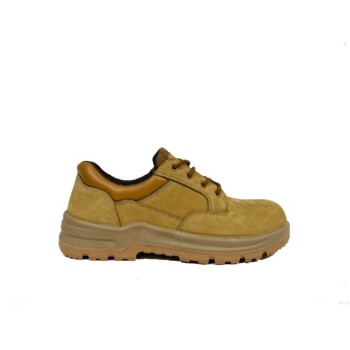
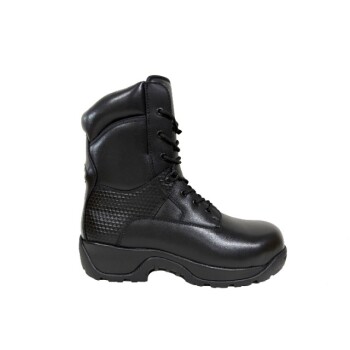
Self-modeling and stretchable uppers represent a paradigm shift in ergonomic footwear design. By dynamically conforming to the unique anatomical structure of each foot, these materials eliminate high-pressure zones that cause injury and discomfort. This technology is critical for specialized safety footwear where prolonged wear and varying foot conditions demand a personalized fit that static materials cannot provide.
The primary advantage of self-modeling materials in footwear is their ability to provide an individualized fit that prevents skin abrasion and blood flow restriction, ensuring long-term safety and comfort for users with diverse anatomical needs.
The Mechanics of Dynamic Adaptation
Precise Anatomical Conformance
Unlike traditional rigid leathers or synthetics, self-modeling materials actively change shape in response to the wearer's foot. This allows the shoe to accommodate foot deformations, such as bunions or hammertoes, without requiring a painful break-in period.
Elimination of Pressure Points
Traditional uppers often create "hot spots" where the material resists the foot's natural expansion during movement. Stretchable uppers distribute force evenly across the surface, ensuring that localized pressure concentrations are virtually eliminated.
Enhancing User Safety and Health
Prevention of Skin Abrasion
In safety environments, repetitive movement can lead to friction between the foot and a stiff upper. Because self-modeling materials move with the foot rather than against it, the risk of blisters and chronic skin abrasion is significantly reduced.
Sustaining Healthy Blood Circulation
Stiff materials can constrict the foot, especially during the natural swelling that occurs over a long work shift. Stretchable uppers expand to maintain optimal blood flow, which is vital for preventing fatigue and supporting long-term vascular health.
Understanding the Trade-offs
Impact on Material Durability
While stretchable materials offer superior comfort, they may lack the extreme abrasion resistance of heavy-duty leather in harsh industrial environments. Designers must often strategically place these materials to balance flexibility with external protection.
Challenges in Lateral Stability
Increased elasticity can sometimes lead to a reduction in lateral support. In roles requiring heavy ankle stabilization or protection against rollover, self-modeling uppers are typically reinforced with external skeletons or rigid heel counters.
Selecting the Right Upper Material
To implement these materials effectively, you must match the degree of stretch to the specific demands of the work environment.
- If your primary focus is maximum user comfort for long shifts: Prioritize high-stretch, self-modeling uppers to reduce muscular fatigue and pressure-related pain.
- If your primary focus is protection against external impacts: Use self-modeling materials specifically in the "flex zones" of the shoe while maintaining rigid protection in the toe and heel.
- If your primary focus is managing chronic foot conditions: Deploy full self-modeling uppers to prevent localized injury caused by existing foot deformations.
By prioritizing anatomical adaptability, self-modeling materials transform safety footwear from a restrictive shell into a protective second skin.
Summary Table:
| Feature | Advantage of Self-Modeling Materials | Traditional Material Comparison |
|---|---|---|
| Anatomical Fit | Dynamic conformance to unique foot shapes | Rigid structure requires painful break-in |
| Pressure Relief | Evenly distributes force; eliminates hot spots | Causes localized pressure and discomfort |
| Skin Health | Reduces friction to prevent blisters/abrasion | High friction leads to chronic skin issues |
| Circulation | Expands with natural foot swelling | Can constrict blood flow during long shifts |
| Ideal Use Case | Workers with foot deformations or long shifts | Harsh environments requiring max abrasion resistance |
Partner with 3515 for Advanced Ergonomic Footwear Solutions
Elevate your product line with the latest in material science. As a premier large-scale manufacturer, 3515 specializes in delivering high-performance footwear for distributors and brand owners worldwide. Whether you need the precision of self-modeling safety shoes, tactical boots, or professional dress footwear, we offer the manufacturing scale and expertise to meet your bulk requirements.
Our Value to You:
- Diverse Portfolio: From our flagship Safety Shoes to sneakers and formal footwear.
- Technical Innovation: Integration of stretchable materials for superior ergonomic comfort.
- Scalable Production: Comprehensive capabilities to support global brand growth.
Ready to enhance your footwear offerings? Contact us today to discuss your custom manufacturing needs!
References
- Verônica Cimolin, Paolo Capodaglio. A Comparative Analysis of Shoes Designed for Subjects with Obesity Using a Single Inertial Sensor: Preliminary Results. DOI: 10.3390/s22030782
This article is also based on technical information from 3515 Knowledge Base .
Related Products
- Safety Footwear Wholesale Manufacturer for Custom OEM/ODM Production
- Premium Suede Sport Safety Shoes for Wholesale & Bulk Orders
- Premium Safety Shoes with Rotating Buckle Safety Sneakers
- Premium Lightweight Safety Shoes for Wholesale & Bulk Orders
- Puncture-Resistant Velcro Safety Boots for Wholesale & Custom Manufacturing
People Also Ask
- What are the key OSHA regulations for safety footwear? Ensure Compliance & Protect Your Workforce
- Why is high-load mechanical testing equipment necessary for safety footwear? Ensure Life-Saving Compression Resistance
- What does a red rectangle with a white C letter on safety footwear mean? Essential Guide to Conductive Footwear
- What is the difference between oil resistance and slip resistance in footwear? Protect Your Boots and Your Safety
- What are the basic requirements of the ASTM F2413-05 standard? Mandatory Impact & Compression Protection