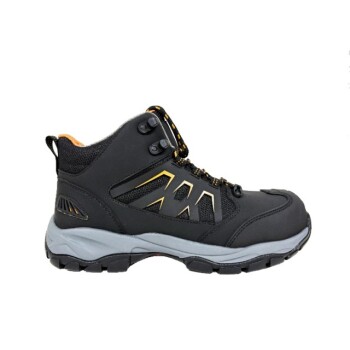
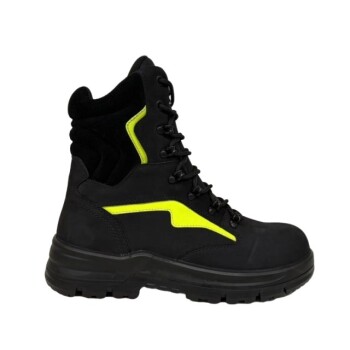
At its core, a steel-toe boot is a type of durable footwear featuring a reinforced steel cap integrated into the toe area. Its primary purpose is to serve as essential Personal Protective Equipment (PPE), protecting the wearer's feet from severe injury caused by impact and compression—common hazards in industrial, construction, and manufacturing environments.
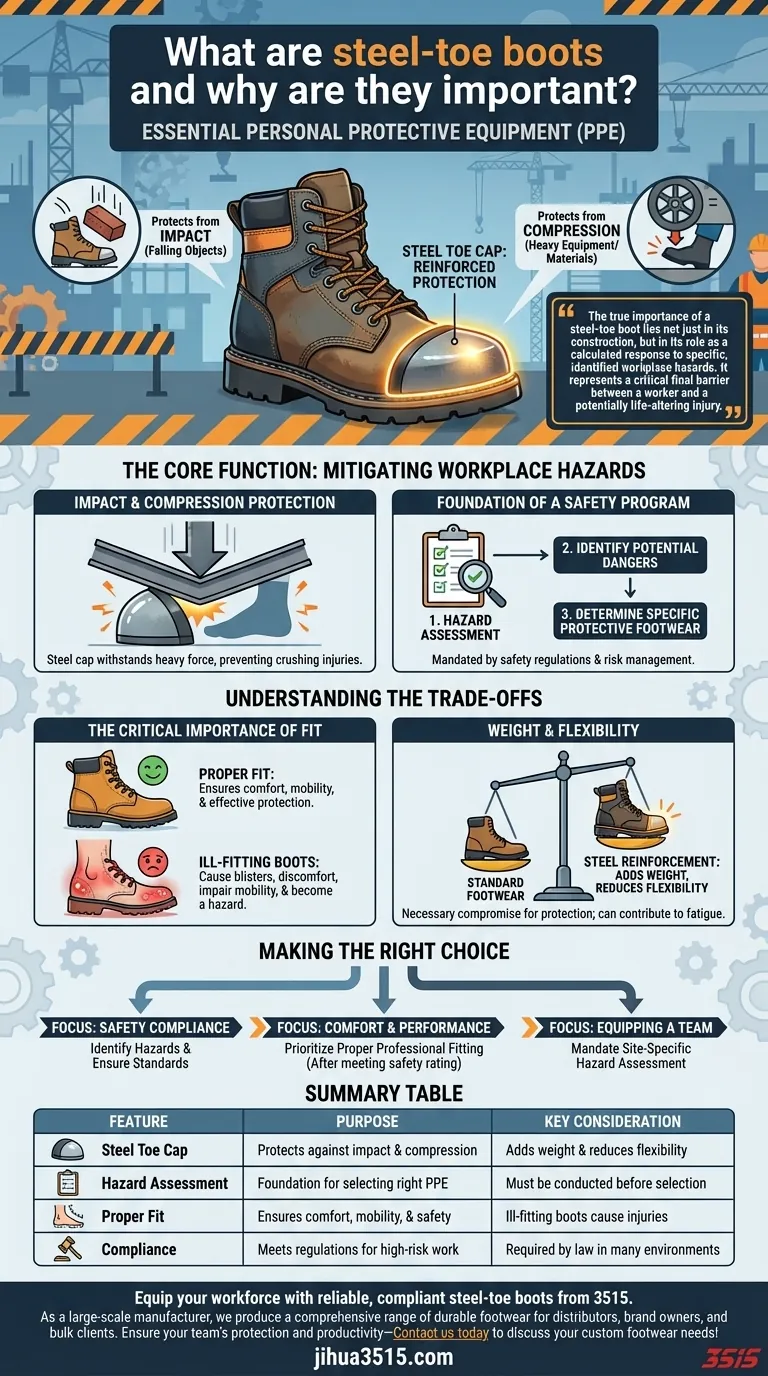
The true importance of a steel-toe boot lies not just in its construction, but in its role as a calculated response to specific, identified workplace hazards. It represents a critical final barrier between a worker and a potentially life-altering injury.
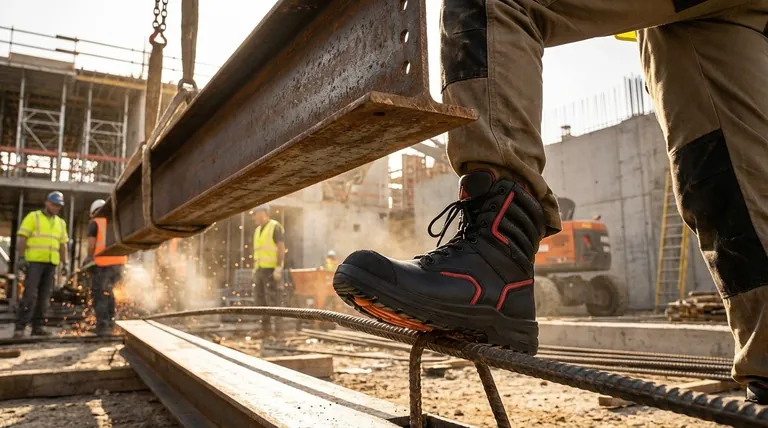
The Core Function: Protecting Against Workplace Hazards
Steel-toe boots are engineered to mitigate the most common and severe risks to the feet in demanding work environments. Their design directly addresses predictable dangers.
Impact and Compression
The defining feature is the protective steel cap. This reinforcement is designed to withstand the force of heavy falling objects, preventing crushing injuries to the toes and forefoot.
Similarly, it protects against compression, such as when a foot is caught under heavy equipment or materials. The steel cap maintains its shape under immense pressure, preserving the space needed to keep the foot safe.
A Foundation of a Safety Program
The selection and use of steel-toe boots are fundamental components of a comprehensive Personal Protective Equipment (PPE) program. This is not a casual choice but a requirement dictated by safety regulations and risk management.
The process always begins with a formal hazard assessment of the work environment. This analysis identifies all potential dangers to the feet, which in turn determines the specific type of protective footwear required.
Understanding the Trade-offs
While indispensable for safety, steel-toe boots are specialized equipment with inherent characteristics that require consideration. Understanding these trade-offs ensures you select and use them effectively.
The Critical Importance of Fit
An ill-fitting safety boot can create as many problems as it solves. Footwear that is too tight, too loose, or improperly shaped can lead to blisters, chronic discomfort, and even long-term foot injuries.
Ensuring an accurate foot measurement and trying on boots before purchase is not a matter of comfort, but of function. A poorly fitting boot can impair mobility and become a hazard in itself.
Weight and Flexibility
The steel reinforcement adds noticeable weight compared to standard footwear. While modern designs have improved, this can contribute to fatigue over a long workday.
Likewise, the rigid toe cap reduces the overall flexibility of the boot. This is a necessary compromise for protection, but it is a key difference from non-safety footwear.
Making the Right Choice for Your Goal
Selecting the correct foot protection is about matching the equipment to the environment and the individual.
- If your primary focus is meeting safety compliance: Start by identifying the specific hazards of your work environment through a formal assessment to ensure your chosen boot meets the required protection standards.
- If your primary focus is all-day comfort and performance: Prioritize a proper, professional fitting after confirming the boot meets the necessary safety rating for your job.
- If your primary focus is equipping a team: Mandate a site-specific hazard assessment as the first step to define the precise level of protection your workers need.
Ultimately, choosing and wearing the right protective boot is a non-negotiable aspect of professional safety and risk management.
Summary Table:
| Feature | Purpose | Key Consideration |
|---|---|---|
| Steel Toe Cap | Protects against impact and compression from heavy objects | Adds weight and reduces flexibility |
| Hazard Assessment | Foundation for selecting the right PPE for specific job risks | Must be conducted before boot selection |
| Proper Fit | Ensures comfort, mobility, and effective protection | Ill-fitting boots can cause injuries and reduce safety |
| Compliance | Meets safety regulations for industrial and construction work | Required by law in many high-risk environments |
Equip your workforce with reliable, compliant steel-toe boots from 3515. As a large-scale manufacturer, we produce a comprehensive range of durable footwear for distributors, brand owners, and bulk clients. Our production capabilities encompass all types of safety boots designed to meet rigorous standards. Ensure your team’s protection and productivity—contact us today to discuss your custom footwear needs!
Visual Guide
Related Products
- Wholesale Durable Breathable Safety Boots Custom OEM Manufacturer
- Puncture-Resistant Velcro Safety Boots for Wholesale & Custom Manufacturing
- Durable Steel Toe Safety Boots Wholesale & Custom Manufacturing
- Wholesale Durable 6-Inch Work Boots | Custom & Private Label Manufacturer
- Premium Sport Style Safety Boots for Bulk Orders
People Also Ask
- Why are industrial safety boots with steel toes necessary for machine operators? Essential Foot Protection for Safety
- Is it true that steel toes can cause toes to get cut off? Debunking the Dangerous Myth
- What are the characteristics of steel toe safety boots? Maximum Protection, Key Trade-offs
- Is there any truth to the myth about steel toe boots causing toe injuries upon impact? Debunking Common Safety Concerns
- Are steel toe boots comfortable for casual wear? Find Your Perfect Balance of Style & Safety