
At their core, Corcoran jump boots are defined by their specialized construction for paratroopers, focusing on a unique anatomical fit, robust support, and high-quality grain leather. These features were designed to provide comfort and durability during high-impact landings and demanding field use while also being suitable for a formal shine.
The defining characteristic of the Corcoran jump boot isn't just one feature, but the synergy between its Munson Last design—which provides a superior anatomical fit—and its high-quality grain leather construction. This combination creates a boot that is both exceptionally supportive for rigorous activity and presentable enough for formal wear.
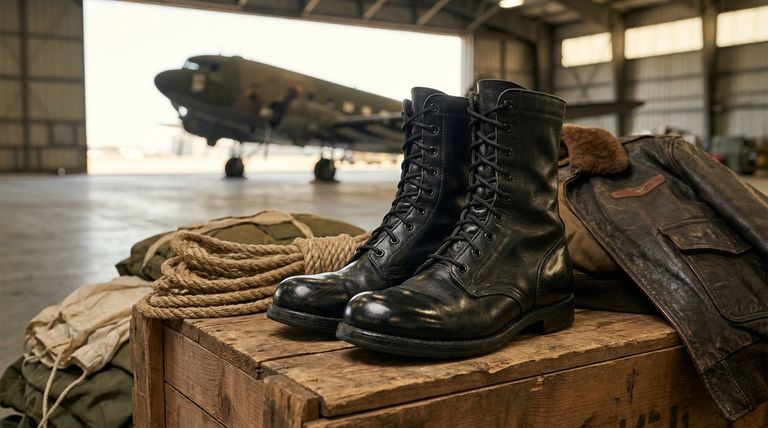
The Anatomy of a Purpose-Built Boot
The original jump boots were not just general-issue footwear; they were a piece of specialized equipment engineered to solve the specific challenges faced by airborne soldiers. Every key feature stems from this purpose-driven design.
The Munson Last: A Foundation of Fit
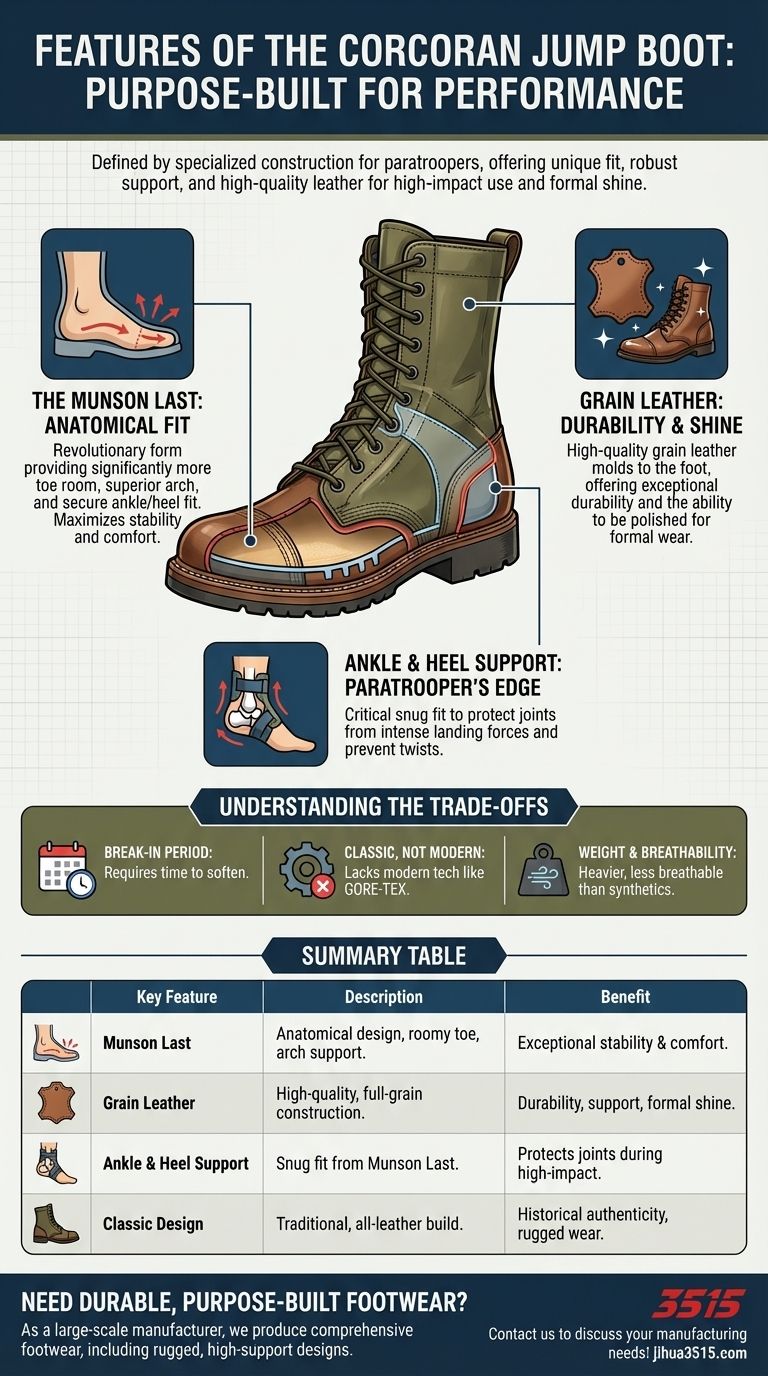
The entire boot is built around a specialized form, or "last," developed by Dr. Edward Munson. This was a revolutionary approach to footwear at the time.
The design provides significantly more room in the toe box, allowing the toes to spread naturally under load.
It also delivers superior arch support and a more secure fit around the ankle and heel, which is critical for stability. This anatomical shape was designed to maximize comfort and minimize foot injuries during long marches and high-impact landings.
Material and Construction: Built for Durability
Corcoran jump boots are made from high-quality grain leather.
This material was chosen for its exceptional durability, natural support, and ability to mold to the wearer's foot over time.
This specific leather construction also allows the boots to be polished to a high "formal shine," making them versatile for both rugged field use and garrison dress requirements.
The Paratrooper's Edge: Ankle and Heel Support
The improved ankle and heel fit from the Munson last is the boot's most critical feature for its intended user.
This design provides the crucial stability needed to protect a paratrooper's joints from the intense forces experienced during a parachute landing. The snug fit helps prevent twists and sprains.
Understanding the Trade-offs
While iconic, the classic design of the Corcoran jump boot comes with trade-offs when compared to more modern footwear.
A Necessary Break-In Period
Like most all-leather boots, Corcoran boots require a significant break-in period. The tough grain leather needs time and wear to soften and conform perfectly to your foot.
A Classic, Not a Modern Design
These boots were designed decades ago. They lack modern features like breathable waterproof membranes (GORE-TEX), advanced composite materials for toe protection, or specialized outsoles (like Vibram) found in contemporary hiking or tactical boots.
Weight and Breathability
The all-leather construction is heavier and less breathable than modern boots that incorporate nylon, mesh, and other synthetic fabrics. This can be a factor in very hot or humid environments.
Making the Right Choice for Your Goal
Understanding the design philosophy behind the Corcoran jump boot helps you determine if it aligns with your needs.
- If your primary focus is historical authenticity or classic style: The Corcoran jump boot is an iconic piece of military footwear, defined by its traditional leather construction and proven Munson fit.
- If your primary focus is maximum durability and support in a traditional package: The grain leather and robust ankle design make it an exceptionally rugged choice, provided you are prepared for the break-in period.
- If your primary focus is lightweight performance and modern features: You will likely be better served by contemporary tactical or hiking boots that incorporate lighter materials and advanced waterproofing.
Ultimately, appreciating these core features allows you to see the Corcoran jump boot not just as footwear, but as a classic example of purpose-driven engineering.
Summary Table:
| Key Feature | Description | Benefit |
|---|---|---|
| Munson Last | Anatomical design with a roomy toe box and superior arch support. | Provides exceptional stability and comfort for high-impact activities. |
| Grain Leather | High-quality, full-grain leather construction. | Offers durability, support, and the ability to achieve a formal shine. |
| Ankle & Heel Support | Snug fit around the ankle and heel from the Munson Last. | Protects joints during demanding use, such as parachute landings. |
| Classic Design | Traditional, all-leather build without modern synthetic materials. | Ideal for historical authenticity and rugged, long-lasting wear. |
Need Durable, Purpose-Built Footwear for Your Customers?
As a large-scale manufacturer, 3515 produces a comprehensive range of footwear for distributors, brand owners, and bulk clients. Our production capabilities encompass all types of shoes and boots, including rugged, high-support designs inspired by classic military specifications.
We can help you deliver reliable, well-constructed footwear that meets the demands of your market. Contact us today to discuss your manufacturing needs and learn how we can bring quality and durability to your product line!
Visual Guide
Related Products
- High Performance Fire-Retardant Waterproof Safety Boots
- Durable High-Ankle Tactical Boots Wholesale Manufacturer for Custom & Bulk Orders
- Durable Leather Tactical Boots Wholesale & Custom Manufacturing for Brands
- Durable Leather High-Ankle Tactical Boots for Wholesale & Custom Manufacturing
- High-Traction Suede Tactical Boots Wholesale & Custom Manufacturing
People Also Ask
- Why are waterproof safety boots recommended for certain work environments? Essential Protection for Wet & Hazardous Jobs
- What roles do 3D vision systems and industrial robots play in the manufacturing of fire safety boots? Smart Automation
- What are the primary benefits of incorporating waterproof technology into professional and outdoor boots? Boost Value
- How should you maintain waterproof boots? A Simple 3-Step Guide to Long-Lasting Performance
- What's the difference between waterproof and water-resistant boots? Choose the Right Footwear for Your Environment


















