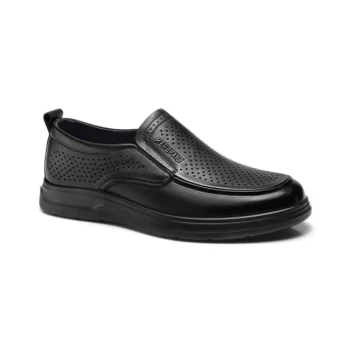
To make shoes non-slip, you must increase the friction between the outsole and the ground. The most effective methods involve either physically abrading the sole to create texture (scuffing with sandpaper) or applying a durable, high-friction material like adhesive grip pads, specialized traction sprays, or having a cobbler professionally resole the shoe.
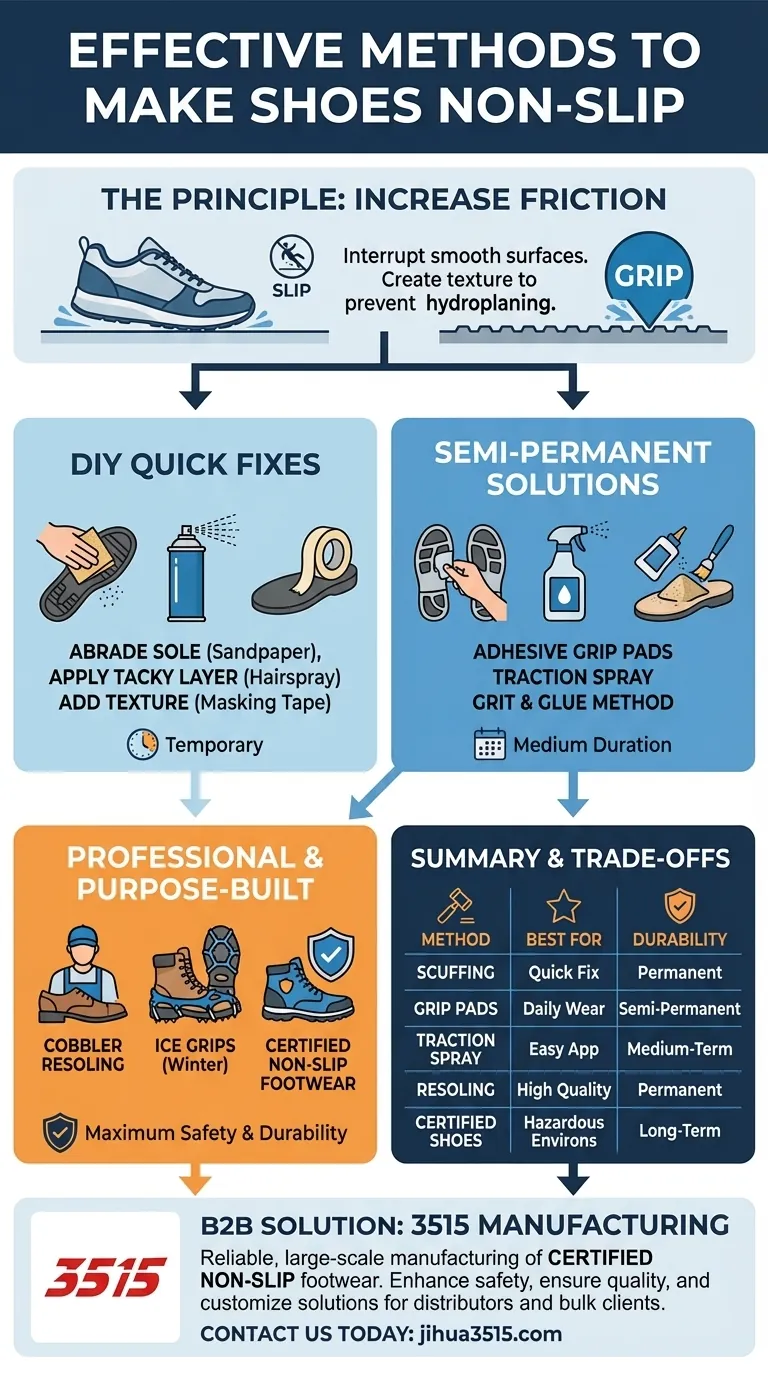
The core principle of making shoes non-slip is to interrupt the smooth, flat surface of the sole. Whether through temporary DIY fixes or permanent professional solutions, the goal is always to create a rougher, more textured surface that can better grip the ground and channel away liquids.
The Principle of Grip: Why Shoes Slip
To choose the right solution, it’s crucial to understand why a shoe loses traction in the first place. The problem is almost always a lack of friction.
The Failure of Smooth Soles
A brand-new shoe, especially a dress shoe with a leather or smooth synthetic sole, has very little texture.
This smooth surface makes minimal effective contact with the ground. On wet or slick surfaces, a thin layer of liquid gets trapped underneath, causing the shoe to hydroplane, similar to a car tire.
How Non-Slip Shoes are Designed
Professionally designed non-slip shoes solve this problem with specific features. They typically use soft rubber compounds for their naturally high friction.
More importantly, they feature intricate and deep tread patterns. These channels are designed to divert water, oil, and other liquids out from under the sole, allowing the rubber to make direct, solid contact with the ground.
Immediate and Temporary DIY Fixes
If you need a quick solution for a single event or a short period, these methods can provide an immediate increase in grip.
The Abrasive Method
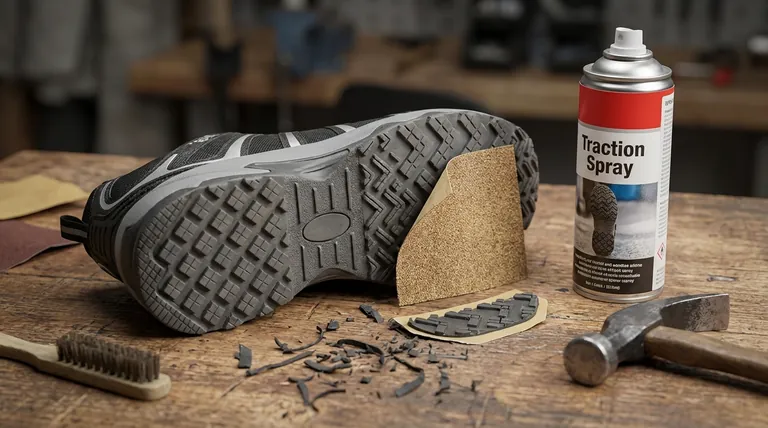
Scuffing the smoothest parts of your outsole with sandpaper or even a metal nail file is a classic, effective technique. This creates micro-abrasions that instantly increase surface area and friction.
The Additive Layer Method
For a very short-term grip boost, you can apply a sticky substance. A light coat of hairspray can add temporary tackiness.
Similarly, applying masking tape in an "X" pattern on the sole can offer a quick, albeit not very durable, textured surface.
The Textured Pattern Method
You can create your own treads using common craft supplies. Applying thin lines or dots of puff paint or hot glue to the sole and letting it dry creates a raised, rubbery pattern that improves grip.
More Durable and Semi-Permanent Solutions
For a longer-lasting solution that doesn't require professional help, these methods offer a good balance of durability and effort.
Applying Adhesive Grip Pads
This is one of the most reliable home solutions. You can buy traction pads specifically designed to stick to the bottom of your shoes. They are made of a textured, rubberized material and provide excellent, long-lasting grip.
Using Traction Sprays
More durable than hairspray, specialized shoe traction sprays are formulated to bond to soles and create a gritty, non-slip coating. This is a simple spray-on application that lasts significantly longer than cosmetic products.
The Grit and Glue Method
A more intensive DIY approach is to mix an abrasive material like sand or salt with a strong rubber glue. Applying a thin layer of this mixture to the sole creates a highly textured, sandpaper-like finish once it cures.
Professional and Purpose-Built Solutions
For maximum safety, durability, and effectiveness, purpose-built products or professional services are the best options.
Visiting a Cobbler
Taking your shoes to a cobbler for resoling is the most effective way to permanently fix a slippery shoe. A professional can replace the entire outsole with a high-quality, treaded rubber sole tailored to your shoe.
Using Ice Grips for Winter
For severe conditions like snow and ice, no sole modification is as safe as a dedicated attachment. Ice grips are strap-on devices with metal studs or coils that provide mechanical grip on frozen surfaces.
Investing in True Non-Slip Shoes
If you frequently work or walk in hazardous environments (e.g., commercial kitchens, healthcare facilities), the safest choice is to purchase shoes that are certified as slip-resistant. Their design, materials, and tread are all engineered for maximum safety.
Understanding the Trade-offs
Each method comes with its own set of advantages and disadvantages. Choosing the right one depends on your priorities.
Durability vs. Convenience
Hairspray and masking tape are incredibly convenient but may only last a few hours. Professional resoling is the most durable solution but requires time and expense. Grip pads strike a good balance between the two.
Impact on Shoe Appearance
Methods like applying hot glue or a sand-glue mixture are highly effective but will permanently alter the look of your shoe's sole. This is fine for work boots but may not be desirable for expensive dress shoes.
Effectiveness on Different Surfaces
The problem you're solving matters. Scuffing a leather sole helps on a polished dance floor, but it will do very little on an icy sidewalk. Ice grips are essential for ice but are impractical for indoor use.
Making the Right Choice for Your Goal
To select the best method, identify your primary need.
- If your primary focus is a quick fix for one night: Use hairspray for a temporary sticky grip or scuff the soles with sandpaper for a permanent but subtle improvement.
- If your primary focus is improving the safety of daily wear shoes: Adhesive grip pads offer the best combination of effectiveness, durability, and ease of application.
- If your primary focus is preserving a high-quality pair of shoes: Take them to a cobbler to have a permanent, professional-grade non-slip rubber sole installed.
- If your primary focus is safety in a hazardous environment: Invest in certified non-slip footwear or use specialized attachments like ice grips for specific conditions.
Ultimately, understanding your specific environment and needs is the key to ensuring your footing is always secure.
Summary Table:
| Method | Best For | Durability | Key Action |
|---|---|---|---|
| Scuffing with Sandpaper | Quick, permanent texture improvement | Long-lasting | Abrade the sole |
| Adhesive Grip Pads | Daily wear shoes, balance of ease & durability | Semi-permanent | Apply textured pads |
| Traction Spray | Easy application, longer-lasting than DIY | Medium-term | Spray on coating |
| Professional Resoling | High-quality shoes, maximum safety | Permanent | Visit a cobbler |
| Certified Non-Slip Shoes | Hazardous environments (kitchens, healthcare) | Long-term (shoe life) | Purchase purpose-built footwear |
Need Reliable, High-Quality Non-Slip Footwear for Your Business?
As a large-scale manufacturer, 3515 produces a comprehensive range of certified non-slip footwear for distributors, brand owners, and bulk clients. Our production capabilities encompass all types of safety shoes and boots, engineered with advanced tread patterns and high-friction rubber compounds for maximum grip and durability.
We help you:
- Enhance Safety: Provide your customers or employees with footwear designed to prevent slips and falls.
- Ensure Quality: Benefit from our large-scale manufacturing expertise, ensuring consistent quality and reliable supply.
- Customize Solutions: Develop custom non-slip footwear tailored to your specific market needs and branding.
Let's discuss your footwear needs. Contact our team today to explore how we can become your trusted manufacturing partner!
Visual Guide
Related Products
- Advanced KPU Athletic Safety Shoe with Steel Toe Cap Anti-Slip Rotary Lacing System
- Premium Suede Sport Safety Shoes for Wholesale & Bulk Orders
- Durable High-Traction Canvas Sneakers Wholesale & Custom Manufacturing
- Durable Goodyear Welt Leather Work Boots for Wholesale & Private Label
- Heavy-Duty Waterproof Nubuck Safety Boots Safety Shoes for Bulk Supply
People Also Ask
- What are the key differences between steel toe and composite toe caps? Choose the Right Safety for Your Job
- What impact do steel toe caps have on toe skin health? Prevent Friction and Pressure in Your Safety Shoes
- What are the primary protective functions of safety shoes with steel toes in the automotive repair industry?
- What type of safety shoe is recommended for workers exposed to heavy machinery? Steel Toe Boots for Ultimate Protection
- How does defining specific friction interface models in FEA assist in predicting safety shoe toe cap failure modes?