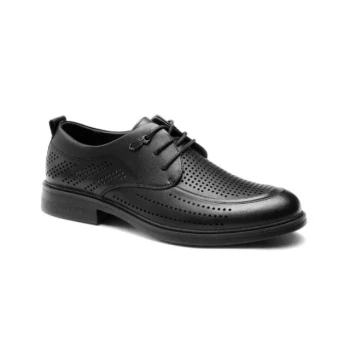
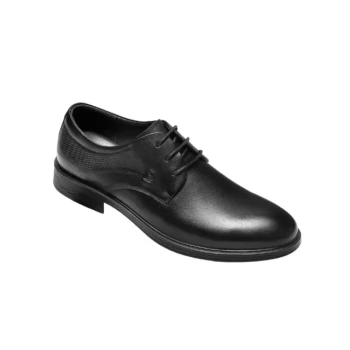
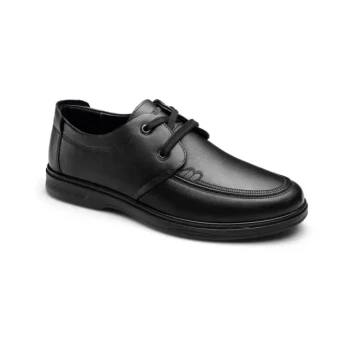
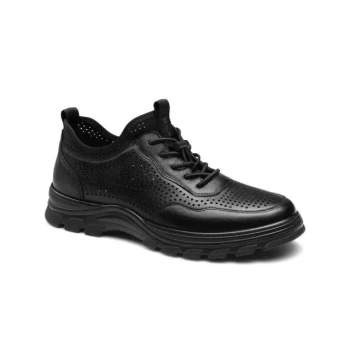
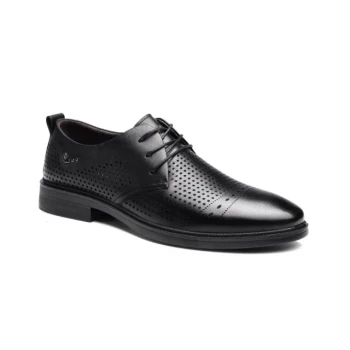
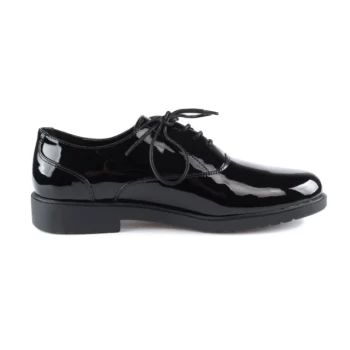
Understanding the material of a leather shoe is the first step toward appreciating its quality, purpose, and longevity. The highest quality men's shoes are typically crafted from a select range of materials, primarily different types of full-grain calfskin, the unique equine leather known as shell cordovan, and various napped leathers like suede.
The choice of leather is not just about appearance; it dictates a shoe's durability, formality, maintenance needs, and how it will age. Different leathers, from smooth calfskin to rugged suedes, are selected for specific purposes and aesthetics.
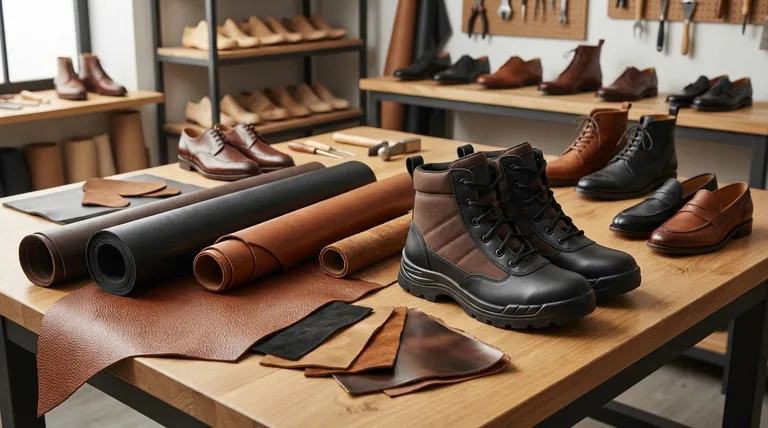
The Foundation: Smooth Calfskin Leathers
Calfskin is the most common material for high-quality dress shoes due to its fine grain, suppleness, and durability. It provides the perfect canvas for a polished, professional look.
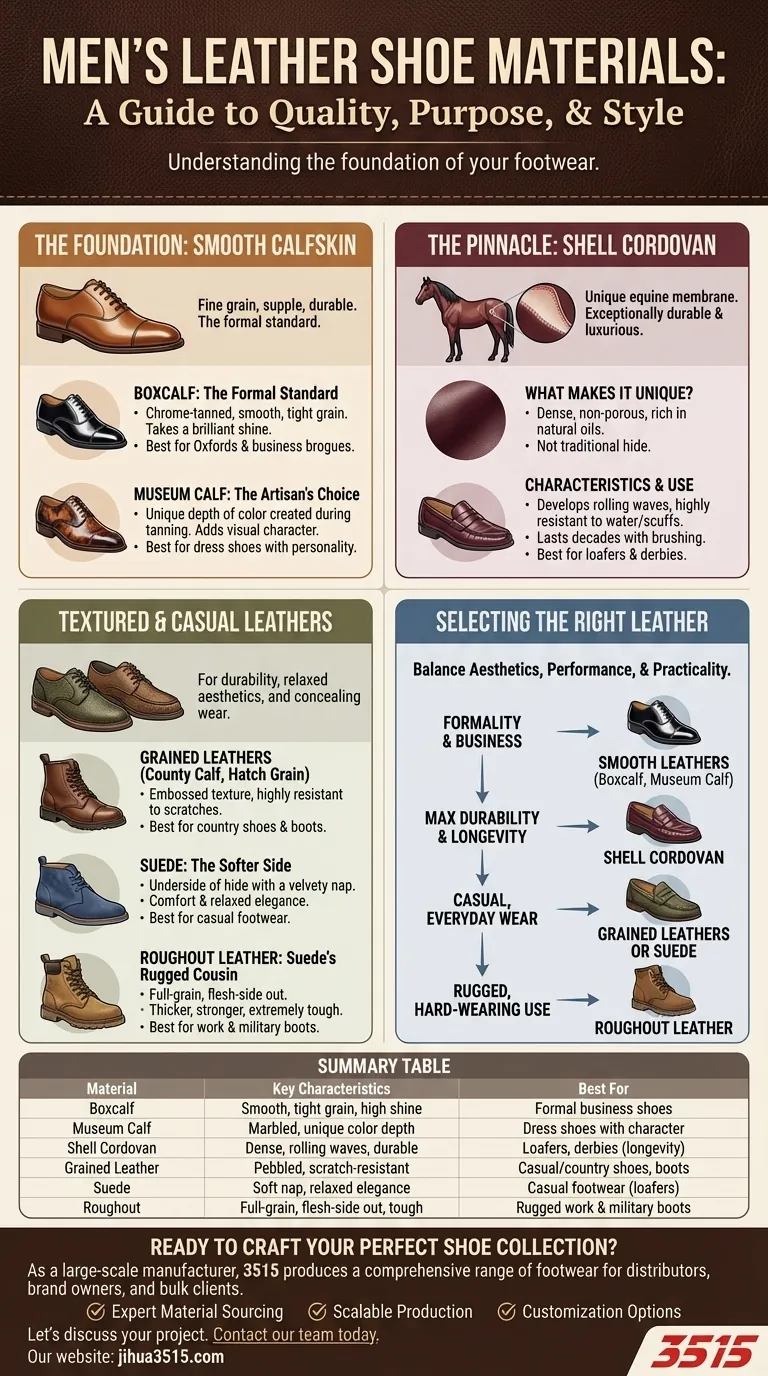
Boxcalf: The Formal Standard
Boxcalf is a chrome-tanned calfskin prized for its smooth, uniform surface and tight grain. It is the definitive choice for classic formal footwear like Oxfords and business brogues. Its structure allows it to take a brilliant shine and withstand years of wear with proper care.
Museum Calf: The Artisan's Choice
Museum Calf is distinguished by its subtle, marbled or mottled appearance. This effect is not dyed on the surface but created during the tanning process itself, giving the leather a unique depth of color. This material is for a dress shoe that has more visual character and personality.
The Pinnacle: Shell Cordovan
Shell Cordovan stands in a category of its own. It is an exceptionally durable and luxurious material that commands a premium price for very specific reasons.
What Makes Cordovan Unique?
It is not traditional hide. Shell Cordovan is a specific membrane taken from beneath the hide on the rump of a horse. This material is incredibly dense, non-porous, and rich with natural oils and waxes.
Characteristics and Use
Instead of creasing, cordovan develops soft, rolling waves over time. It is highly resistant to water and scuffs, and with minimal care—mostly vigorous brushing—it can last for decades. It is most often used for classic, less formal styles like loafers and derbies.
Textured and Casual Leathers
Not all shoes require a mirror shine. Textured leathers are chosen for durability, a more relaxed aesthetic, and their ability to conceal the rigors of daily wear.
Grained Leathers (County Calf & Hatch Grain)
These leathers have a pronounced, pebbled texture that is embossed onto the hide. Grained leathers are excellent for country shoes, boots, and casual derbies. The texture makes them highly resistant to scratches and scuffs, perfect for more demanding environments.
Suede: The Softer Side
Suede is created from the underside of the animal hide, which is sanded to create a soft, velvety nap. It is prized for its comfort and relaxed elegance, making it ideal for loafers, chukka boots, and casual footwear. While susceptible to water and stains, modern treatments can provide significant protection.
Roughout Leather: Suede's Rugged Cousin
Often confused with suede, roughout leather is a full-grain hide used with the flesh-side facing out. It is not split or sanded down, making it far thicker, stronger, and more durable than suede. This is a material for hard-wearing work boots and military-style footwear, valued for its incredible toughness.
Understanding the Trade-offs of Leather Choice
Selecting a leather is a balance of aesthetics, performance, and practicality. Each material comes with a distinct set of considerations.
Formality vs. Durability
A smooth, polished leather like Boxcalf is highly formal but will show scratches more readily than a textured grain leather. Grained and roughout leathers are inherently more casual but excel at hiding minor wear and tear.
Maintenance and Care
All leather requires care, but the methods differ. Smooth calfskins need regular conditioning and polishing. Suedes demand specialized brushes and protective sprays. Shell Cordovan has its own unique routine, requiring less conditioning cream and more intense brushing to restore its natural luster.
Cost and Exclusivity
Material cost varies dramatically. Shell Cordovan is by far the most expensive due to the scarcity of the raw material and the lengthy vegetable tanning process. High-quality calfskins like Museum Calf are next, followed by standard calfskins and suedes.
Selecting the Right Leather for Your Needs
Your choice should be guided by when and where you plan to wear the shoes.
- If your primary focus is formal business and events: Opt for smooth leathers like Boxcalf or Museum Calf for their polished, professional appearance.
- If your primary focus is maximum durability and longevity: Invest in Shell Cordovan for its unique aging properties and incredible resistance to creasing.
- If your primary focus is casual, everyday wear: Choose grained leathers or suedes for their comfort, versatility, and ability to hide minor scuffs.
- If your primary focus is rugged, hard-wearing use: Look for boots made from thick roughout leather for unparalleled toughness.
Ultimately, choosing the right leather is about aligning the material's inherent character with your personal style and intended use.
Summary Table:
| Material | Key Characteristics | Best For |
|---|---|---|
| Boxcalf | Smooth, tight grain, takes a high shine | Formal business shoes (Oxfords) |
| Museum Calf | Marbled appearance, unique depth of color | Dress shoes with character |
| Shell Cordovan | Dense, non-porous, develops rolling waves | Longevity, less formal styles (loafers) |
| Grained Leather | Pebbled texture, scratch-resistant | Casual/country shoes and boots |
| Suede | Soft, velvety nap, relaxed elegance | Casual footwear (loafers, chukkas) |
| Roughout | Full-grain, flesh-side out, extremely tough | Rugged work and military boots |
Ready to Craft Your Perfect Shoe Collection?
As a large-scale manufacturer, 3515 produces a comprehensive range of footwear for distributors, brand owners, and bulk clients. Our production capabilities encompass all types of shoes and boots, from formal calfskin Oxfords to rugged roughout work boots.
Partner with us to access:
- Expert Material Sourcing: We work with the finest leathers to match your quality and style requirements.
- Scalable Production: From small batches to large-volume orders, we deliver consistent quality and on-time delivery.
- Customization Options: Develop your own unique styles with our expert design and manufacturing team.
Let's discuss your project. Contact our team today to get a quote and learn how we can bring your footwear vision to life.
Visual Guide
Related Products
- Factory Direct Wholesale Leather Comfort Shoes with Dial Closure
- Custom Breathable Perforated Leather Derby Shoes for Wholesale & Brands
- Classic Leather Derby Dress Shoes Wholesale & Custom Manufacturing
- Wholesale Leather Business Casual Shoes with Dial Closure - Manufacturer of Comfort Dress Sneakers
- Wholesale Leather Derby Dress Shoes Custom Manufacturer for Brands
People Also Ask
- How can you waterproof leather shoes? Choose the Right Method for Maximum Protection
- What role do auxiliary materials play in leather shoe product mix optimization? Maximize Profit & Stability
- What are the best practices for storing leather shoes? Preserve Your Investment for Years to Come
- What are the maintenance requirements for leather shoes? A Complete Guide to Longevity
- What preventative measures can be taken to maintain leather shoes? A Simple Routine for Long-Lasting Wear