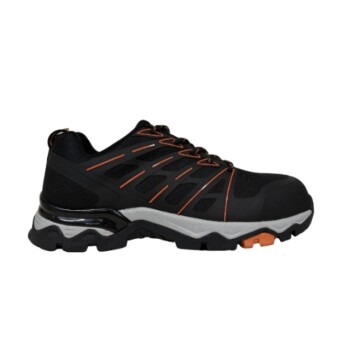
The primary benefit of flexibility design in industrial footwear is the preservation of natural biomechanics. For shipyard electricians and plumbers working in confined spaces, high-flexibility boots allow the foot to move naturally during frequent bending, twisting, and kneeling. By reducing the resistance found in stiff outsoles, these designs minimize compensatory strain on the body, specifically protecting the lower back and lumbar discs from musculoskeletal injury.
The core mechanism at work is the reduction of compensatory strain. When footwear resists natural movement, the body shifts the load to other joints; flexible designs prevent this transfer of stress, acting as a preventative measure for long-term back health.
Navigating the Physical Constraints
The Reality of Shipyard Work
Electricians and plumbers in shipyards rarely work in ideal, upright postures. Their tasks require fitting into tight crawl spaces, kneeling on hard steel surfaces, and contorting their bodies to reach complex wiring or piping systems.
The Conflict with Rigid Footwear
Traditional, heavy-duty safety boots often feature stiff outsoles designed for maximum durability. However, in confined spaces, this stiffness forces the worker to fight against the boot to achieve necessary angles, increasing physical fatigue.
Facilitating Extreme Postures
Flexible tactical boots or safety shoes are engineered to bend where the foot bends. This compliance allows workers to maintain extreme postures—such as deep squats or sustained kneeling—without the footwear acting as a lever against their ankles or toes.
The Physiological Impact
Preserving the Kinetic Chain
The movement of the foot directly impacts the knees, hips, and back. High-flexibility designs ensure that the foot absorbs its share of the workload, rather than passing that stress up the kinetic chain to more vulnerable areas.
Protecting the Lumbar Spine
The most critical benefit of flexibility is the protection of the lower back. By allowing natural foot flexion, the boots reduce the torque and tension transmitted to the lumbar discs, which are frequent sites of injury in trade professions.
Reducing Musculoskeletal Risk
By minimizing the stress transmission caused by rigid soles, flexible footwear acts as a proactive ergonomic control. It lowers the aggregate risk of musculoskeletal injuries that result from repetitive strain in awkward positions.
Beyond Ergonomics: The Safety Ecosystem
Dual Protection
While flexibility addresses ergonomic risks, these boots must still perform their primary function. They provide physical defense against falling objects, sharp debris, and the slippery surfaces inherent to maritime construction.
Reinforcing Safety Culture
Issuing high-quality, task-specific footwear serves a psychological role as well. It demonstrates a tangible organizational commitment to worker well-being, improving the overall safety climate and perception of protection among the crew.
Understanding the Trade-offs
Stability vs. Mobility
There is often an inverse relationship between flexibility and stability. Extremely flexible boots may offer less ankle support, which can be a disadvantage if the worker is carrying heavy loads across uneven terrain rather than working in a static confined space.
Durability Concerns
To achieve high flexibility, manufacturers may use softer compounds in the outsole or midsole. In the abrasive environment of a shipyard—often characterized by non-slip grit surfaces and raw steel—these softer materials may wear down faster than rigid, traditional work boots.
Making the Right Choice for Your Goal
Selecting the correct footwear requires balancing the specific hazards of the environment with the ergonomic needs of the worker.
- If your primary focus is Confined Space Mobility: Prioritize boots with high torsional flexibility and articulated soles to minimize back strain during kneeling and bending.
- If your primary focus is Heavy Material Handling: Prioritize stiffer boots with enhanced ankle support to stabilize the load, even if it slightly reduces agility in tight spaces.
- If your primary focus is Organizational Safety Culture: Invest in premium footwear that meets both comfort and safety standards to visibly demonstrate commitment to workforce health.
True safety is achieved when the equipment adapts to the worker, not when the worker is forced to adapt to the equipment.
Summary Table:
| Feature | Impact on Confined Space Work | Health Benefit |
|---|---|---|
| Natural Biomechanics | Allows foot flexion during deep squats and kneeling | Reduces compensatory strain on the lower back |
| Articulated Outsoles | Lowers resistance when bending in tight crawl spaces | Minimizes fatigue and energy expenditure |
| Kinetic Chain Support | Distributes load evenly across joints | Protects lumbar discs from high-torque movements |
| Soft Compound Midsole | Enhances tactile feedback on uneven steel surfaces | Improves balance and prevents slips or falls |
Elevate Your Workforce Safety with 3515’s Professional Footwear Solutions
As a large-scale manufacturer serving distributors and brand owners, 3515 offers comprehensive production capabilities for all footwear types, anchored by our flagship Safety Shoes series. Our flexible tactical and industrial boots are specifically engineered to preserve natural biomechanics, protecting your workers from long-term musculoskeletal injuries while ensuring maximum mobility in demanding environments like shipyards.
From work and tactical boots to outdoor and dress shoes, we provide the bulk volume and quality reliability your business needs to thrive. Contact us today to discuss your custom manufacturing requirements and see how our ergonomic designs can enhance your safety culture and product portfolio.
References
- Woo-Jin Kim, Byung Yong Jeong. A Cross-Sectional Descriptive Study of Musculoskeletal Disorders (MSDs) of Male Shipbuilding Workers and Factors Associated the Neck, Shoulder, Elbow, Low Back, or Knee MSDs. DOI: 10.3390/app12073346
This article is also based on technical information from 3515 Knowledge Base .
Related Products
- Customizable Slip-On Safety Shoes Direct from the Factory for Wholesale
- Premium Safety Shoes with Rotating Buckle Safety Sneakers
- Premium Lightweight Safety Shoes for Wholesale & Bulk Orders
- Durable Leather Safety Boots for Wholesale & Custom OEM Manufacturing
- Athletic Safety Shoes with Dial Closure & Steel Toe for Wholesale & Custom Manufacturing
People Also Ask
- What are Slip-Ons best used for? The Ultimate Guide to Effortless Casual Footwear
- What makes the Tecovas The Monterrey a good slip-on option? Unmatched Comfort & Style
- What features make slip-on shoes practical for retail workers or flight attendants? Unlock All-Day Comfort & Convenience
- What are the features of slip-on work shoes? Prioritize Convenience & Safety for Your Team
- What makes a safety shoe a safety shoe? Essential Protection for Hazardous Work