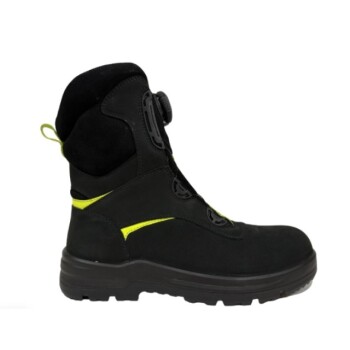
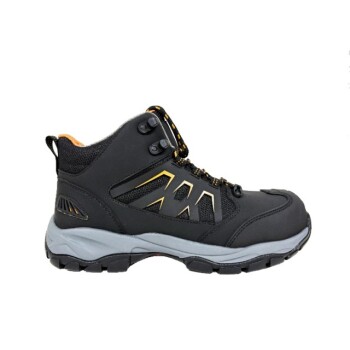
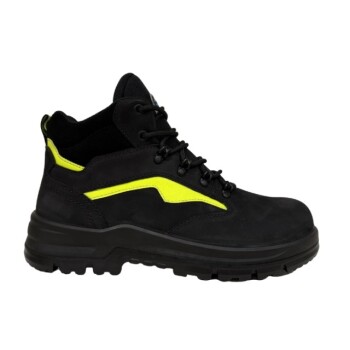
In essence, a safety wellington boot is a specialized form of waterproof footwear engineered to provide protection in wet, muddy, and hazardous work environments. They combine the waterproofing of a traditional welly with critical safety features, making them standard Personal Protective Equipment (PPE) in sectors like agriculture, construction, landscaping, and food processing.
The crucial distinction is that a safety welly is not just about keeping your feet dry. It is a purpose-built tool designed to mitigate specific workplace risks, from impact and compression to slips and chemical exposure.
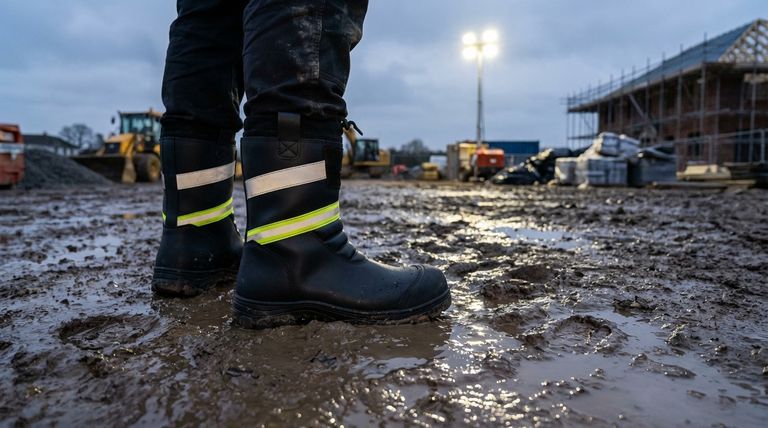
The Anatomy of a Safety Welly: More Than Just a Rubber Boot
To understand their function, you must first understand their components. Each element is deliberately chosen to counter a specific hazard common in demanding work environments.
The Waterproof Shell
The outer body of the boot provides the primary barrier against liquids. It's typically made from robust, seamless materials to ensure total waterproofing.
Common materials include Polyvinyl Chloride (PVC) or neoprene, selected for their durability and resistance to water, mud, and various chemicals.
The Protective Toe Cap
This is the most critical safety feature for impact protection. A reinforced cap is built into the front of the boot to shield the toes from falling objects or compression.
These caps are generally made of steel for maximum strength or a lighter, metal-free composite material that doesn't conduct cold.
The Slip-Resistant Outsole
The sole is engineered for traction, not just walking. It is a key defense against slips, trips, and falls, which are among the most common workplace accidents.
Made from durable rubber or similar compounds, the outsoles feature deep tread patterns designed to channel away water and grip securely on unstable or slippery surfaces.
Common Applications and Their Specific Risks
The use of safety wellies is directly tied to the hazards present in a given industry. The boot is selected to counter the most likely risks.
Agriculture and Landscaping
In these fields, workers face constant exposure to mud, water, and uneven terrain. The boots provide essential waterproofing and grip, while toe caps protect against dropped tools or accidental impacts from machinery.
Construction Sites
On construction sites with wet conditions, such as foundation work or utility trenching, safety wellies are indispensable. They prevent water ingress and protect feet from falling materials and compression hazards.
Food Processing
Hygiene and safety are paramount in food processing. The smooth, non-porous surface of a welly is easy to clean and sanitize, while slip-resistant soles are critical on floors that are often wet or greasy.
Understanding the Trade-offs
Not all safety wellies are created equal. The choice of materials for features like the toe cap involves a direct trade-off between performance characteristics.
Steel Toe Caps
Steel is the traditional standard, offering the highest level of protection against impact and compression. Its primary drawback is its weight and its tendency to conduct cold in low-temperature environments.
Composite Toe Caps
Composite materials (like Kevlar, carbon fiber, or plastic) provide a lighter-weight alternative. They do not conduct cold or electricity, making them preferable for certain conditions, though they can sometimes be bulkier than steel to achieve the same safety rating.
Making the Right Choice for Your Goal
Selecting the correct boot requires matching its features to the primary risks of your environment.
- If your primary focus is maximum impact protection (e.g., heavy construction): A boot with a steel toe cap provides the most reliable defense against severe hazards.
- If your primary focus is hygiene and slip prevention (e.g., food industry): Prioritize a boot with a high-traction outsole and a PVC shell that is easy to sanitize.
- If your primary focus is all-day work in cold, wet conditions (e.g., agriculture): A lighter composite toe cap can reduce fatigue and will not transfer cold to your feet.
Ultimately, choosing the right safety welly is a critical decision in protecting yourself against specific, foreseeable workplace hazards.
Summary Table:
| Feature | Purpose | Common Materials |
|---|---|---|
| Waterproof Shell | Barrier against water, mud, and chemicals | PVC, Neoprene |
| Protective Toe Cap | Shields toes from impact and compression | Steel, Composite |
| Slip-Resistant Outsole | Prevents slips and falls on wet surfaces | Rubber |
| Key Industries | Primary Hazards Addressed | Selection Priority |
| Agriculture & Landscaping | Mud, water, uneven terrain, impact | Waterproofing, grip, toe protection |
| Construction | Water, falling objects, compression | Maximum impact protection (steel toe) |
| Food Processing | Wet floors, hygiene requirements | Slip resistance, easy-to-clean surfaces |
Ready to Equip Your Team with Reliable Safety Footwear?
As a large-scale manufacturer, 3515 produces a comprehensive range of high-quality safety wellington boots for distributors, brand owners, and bulk clients. Our production capabilities encompass all types of safety shoes and boots, tailored to meet the specific demands of industries like agriculture, construction, and food processing.
We ensure durable protection, comfort, and compliance with safety standards. Let us help you safeguard your workforce efficiently.
Contact us today for competitive pricing and expert support!
Visual Guide

Related Products
- Durable Waterproof Rain Boots | Custom Manufacturer for Wholesale & Brands
- Puncture-Resistant Velcro Safety Boots for Wholesale & Custom Manufacturing
- Wholesale Durable Safety Boots | Custom Steel Toe & Puncture-Resistant Manufacturing
- Premium Wholesale Tactical Style Safety Shoes Boots with Quick Lacing
- Premium High-Cut Waterproof Safety Boots Manufacturing & Wholesale Solutions
People Also Ask
- What are the main materials for waterproof rain boots? Choose the Right Material for Durability & Comfort
- What is the overall recommendation for choosing rain boot materials? A Guide to Rubber vs. PVC
- How does boot height affect waterproofing? Choose the Right Height for Ultimate Protection
- Why are rain boots more flexible and comfortable than snow boots? The Key Differences Explained
- What are the best types of shoes for different gardening conditions? Find Your Perfect Match.