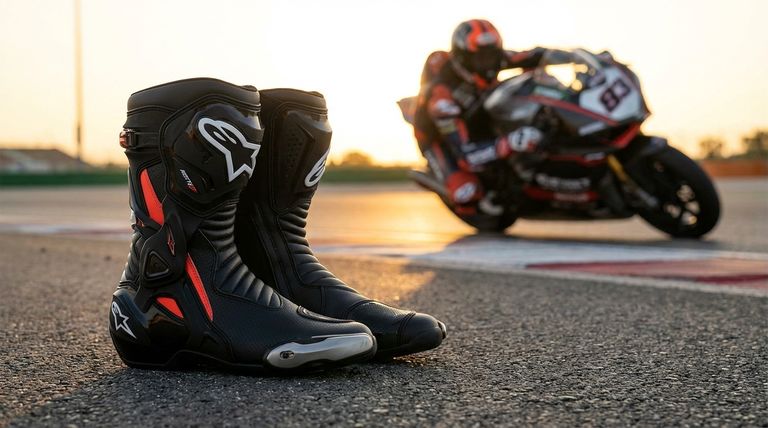
At their core, racing motorcycle boots are a highly specialized form of personal protective equipment designed for one specific task: safeguarding a rider's feet and ankles during high-speed incidents on pavement. They extend over the calf and integrate a rigid external bracing system with abrasion-resistant materials to offer the maximum level of protection available for track and performance riding.
Racing boots are not simply durable footwear; they are an engineered system designed to manage the unique forces of a high-speed crash—impact, abrasion, and torsion—while allowing the rider the sensitivity required for precise control.
The Anatomy of a Racing Boot: A System of Protection
To understand their purpose, you must look at a racing boot as a collection of integrated safety systems, each designed to counter a specific type of injury common in performance riding.
Torsional and Impact Rigidity
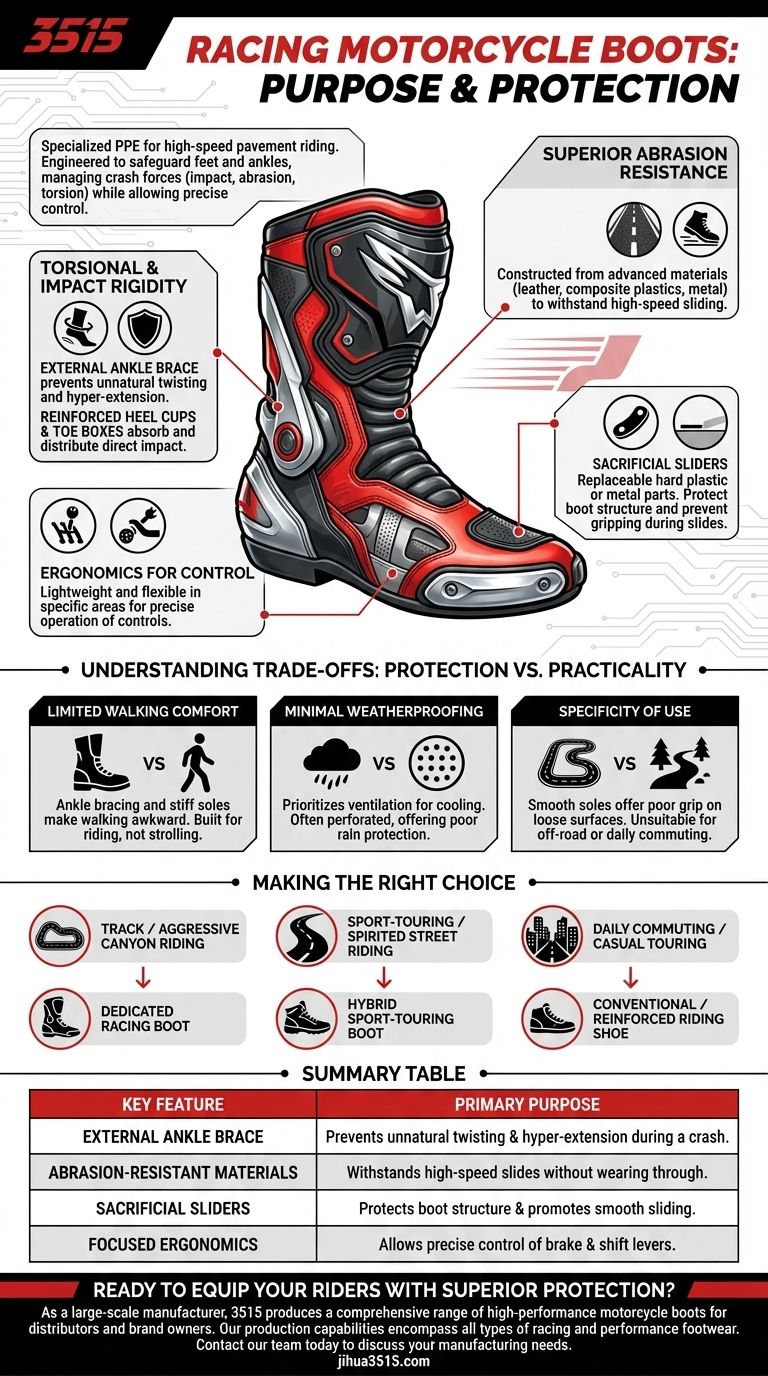
The most critical feature of a true race boot is its external ankle brace. This rigid or semi-rigid structure is designed to prevent the ankle from twisting, hyper-extending, or bending in unnatural ways during a crash.
This system is combined with heavily reinforced heel cups and toe boxes, which are engineered to absorb and distribute the force of a direct impact, protecting the delicate bones of the foot.
Superior Abrasion Resistance
Race boots are constructed from a combination of advanced materials like leather, composite plastics, and metal. Their primary job is to withstand sliding across abrasive asphalt at high speeds without wearing through.
This multi-material construction ensures the boot holds together under extreme stress, keeping the rider's foot fully enclosed and protected.
Sacrificial Sliders
A key feature you'll notice on the outer edges of the toes, heels, and sometimes shins are replaceable sliders. These are typically made of hard plastic or metal.
Their purpose is twofold: they are sacrificial parts that wear down during aggressive cornering or a slide, protecting the more expensive boot structure. They also help the boot slide smoothly across the pavement, preventing it from "gripping" the asphalt, which could otherwise send the rider into a dangerous tumble.
Ergonomics for Control
Despite their rigidity, racing boots are designed to be lightweight and flexible in specific areas. They have articulated sections at the ankle and instep that allow the rider to easily operate the rear brake and shift levers.
This focused flexibility ensures that the immense protection does not compromise the rider's ability to control the motorcycle with precision.
Understanding the Trade-offs: Protection vs. Practicality
The single-minded focus on protection means racing boots come with significant compromises in other areas. This is by design.
Limited Walking Comfort
The same ankle bracing that prevents injury makes walking feel stiff and awkward. Race boots are built for the riding position, not for strolling around. Their lack of flexibility and stiff soles make them highly impractical for any significant time spent off the bike.
Minimal Weatherproofing
Most racing boots prioritize ventilation over weatherproofing. They often feature perforated panels to keep the rider's feet cool during intense physical activity. This design means they offer virtually no protection from rain.
Specificity of Use
These boots are engineered exclusively for riding on pavement. Their smooth, hard soles offer poor grip on loose or uneven surfaces, making them unsuitable for adventure or off-road riding. Their lack of everyday comfort makes them a poor choice for casual commuting or long-distance touring.
Making the Right Choice for Your Ride
Selecting the right boot requires an honest assessment of your primary riding environment and goals.
- If your primary focus is track days or aggressive canyon riding: A dedicated racing boot is the only appropriate choice to get the necessary torsional support and abrasion resistance.
- If your primary focus is sport-touring or spirited street riding: A hybrid sport-touring boot may offer a better balance of robust protection and all-day comfort.
- If your primary focus is daily commuting or casual touring: A more conventional and comfortable touring boot or reinforced riding shoe provides necessary baseline protection with far greater usability.
Choosing your gear to match the specific demands of your ride is the cornerstone of being a safe and well-equipped rider.
Summary Table:
| Key Feature | Primary Purpose |
|---|---|
| External Ankle Brace | Prevents unnatural twisting and hyper-extension during a crash. |
| Abrasion-Resistant Materials | Withstands high-speed slides on asphalt without wearing through. |
| Sacrificial Sliders | Protects the boot structure and promotes a smooth slide to prevent tumbling. |
| Focused Ergonomics | Allows precise control of brake and shift levers while maintaining protection. |
Ready to Equip Your Riders with Superior Protection?
As a large-scale manufacturer, 3515 produces a comprehensive range of high-performance motorcycle boots for distributors, brand owners, and bulk clients. Our production capabilities encompass all types of racing and performance footwear, engineered with the advanced safety features detailed above.
We can help you deliver the critical protection your customers demand. Contact our team today to discuss your manufacturing needs.
Visual Guide
Related Products
- Wholesale Tactical Boots High-Traction & Reflective for Bulk & Brand Orders
- Durable Goodyear Welt Leather Work Boots for Wholesale & Private Label
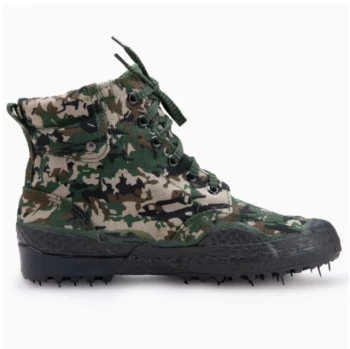
- Durable Spiked Camouflage Boots Wholesale & Factory Production
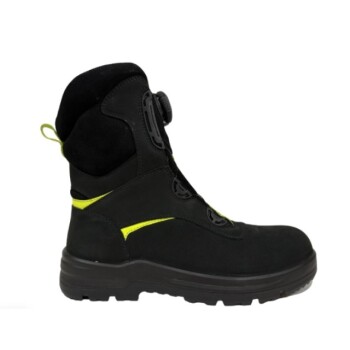
- Wholesale Lightweight Tactical Boots with Dial Closure OEM & Bulk Orders
- Wholesale Waterproof Tactical Boots Custom Suede & High-Traction Soles
People Also Ask
- How do tactical boots protect against injuries? Discover the Integrated Safety System
- What materials are used in tactical boot uppers? A Guide to Durability & Performance
- Why is the management of Initial Inventory (II) critical in the production and supply of tactical boots?
- What are the consequences of wearing ill-fitting tactical boots? Avoid Injury and Boost Performance
- What are the recommended work boot features for military and law enforcement? Enhance Operator Performance & Safety