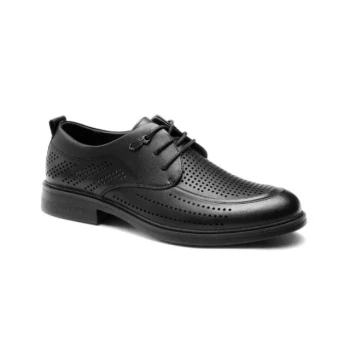
Specialized athletic footwear functions as a critical mechanical interface between the skeletal system and the ground. Its primary utility lies in providing structured support for the ankle and arch to ensure proper biomechanical alignment, while simultaneously utilizing cushioning to dampen the peak impact forces that threaten joint integrity.
The core value of specialized footwear is the optimization of force distribution. By altering force lines and reducing mechanical load on weight-bearing joints, these tools prevent bone stress and growth plate issues, thereby preserving the natural skeletal development required for accurate physical assessment.
Preserving Framework Alignment
The Role of Structured Support
The skeletal framework relies on precise stacking of joints to function efficiently. Specialized footwear provides external rigidity to the ankles and arches, ensuring that the foot maintains a neutral position during movement.
Optimizing Force Lines
Through specialized material formulations and sole geometry, functional footwear actively alters the force lines traveling through the foot. This re-routing of energy reduces the mechanical load placed on critical weight-bearing joints, specifically the knees and ankles.
Managing Impact and Load
Cushioning Peak Forces
A primary threat to skeletal integrity is the shock generated during intense physical activity. High-quality training shoes utilize cushioning to absorb and dissipate these peak impact forces before they can travel up the kinetic chain.
Preventing Bone Stress
By dampening impact, footwear acts as a preventative measure against bone stress injuries. This is particularly vital for maintaining the structural health required for long-term mobility and physical performance.
Implications for Skeletal Assessment
Protecting Developing Anatomy
For developing athletes, the skeletal system is in a state of flux. Proper footwear is essential to protect vulnerable growth plates from trauma that could skew developmental data or cause permanent damage.
Ensuring Consistent Assessment
To accurately evaluate skeletal health indicators—such as joint diameter and bone maturity—the subject must be free from acute injury or compensatory movement patterns. By mitigating injury risks, specialized footwear allows clinicians to assess natural skeletal development rather than pathology caused by inadequate support.
Understanding the Trade-offs
Equipment vs. Physiology
While footwear provides essential mechanical cushioning and support, it is an external aid, not a physiological correction. It facilitates proper movement but does not permanently correct underlying skeletal deformities without consistent use.
The Specificity of Design
Not all footwear provides universal benefits; design elements are specific to certain activities. A shoe optimized for shock absorption may lack the rigid ankle support required for lateral movements, potentially compromising joint integrity if matched with the wrong activity.
Making the Right Choice for Your Goal
To maximize skeletal health and assessment accuracy, select footwear based on your specific objective:
- If your primary focus is injury prevention: Prioritize footwear with optimized sole geometry and shock-absorbing materials to reduce mechanical load on the knees and ankles.
- If your primary focus is developmental assessment: Ensure the footwear offers substantial arch and ankle support to prevent growth plate issues and allow for the measurement of natural bone maturity.
Proper footwear transforms the ground from a hazard into a platform for sustainable skeletal development.
Summary Table:
| Functional Feature | Mechanical Benefit | Impact on Skeletal Health |
|---|---|---|
| Structured Support | Stabilizes ankles and arches | Ensures neutral biomechanical alignment |
| Sole Geometry | Optimizes force lines | Reduces mechanical load on knees and ankles |
| Advanced Cushioning | Dissipates peak impact forces | Prevents bone stress and joint trauma |
| Protective Design | Shields growth plates | Preserves natural development for assessment |
Partner with 3515 for High-Performance Footwear Solutions
As a large-scale manufacturer serving global distributors and brand owners, 3515 leverages decades of expertise to produce footwear that prioritizes skeletal integrity and mechanical performance. Our flagship Safety Shoes series, alongside our comprehensive portfolio of tactical boots, outdoor shoes, training sneakers, and formal footwear, is engineered to provide superior joint support and impact protection.
Whether you are looking for bulk manufacturing capabilities or specialized designs to protect your customers' long-term mobility, we offer the scale and precision to meet your requirements. Contact us today to discuss your production needs and see how our footwear can enhance your brand’s value.
References
- Valerii O. Erkudov, Halil İ̇brahim Ceylan. The Effect of Environmental Disasters on Endocrine Status, Hematology Parameters, Body Composition, and Physical Performance in Young Soccer Players: A Case Study of the Aral Sea Region. DOI: 10.3390/life13071503
This article is also based on technical information from 3515 Knowledge Base .
Related Products
- Wholesale Breathable Training Shoes Custom Athletic Footwear Manufacturer
- Wholesale Breathable Athletic Sneakers - Custom Lightweight Cushioned Footwear Manufacturer
- Lightweight Breathable Training Shoes for Wholesale & Custom OEM Manufacturing
- Wholesale Training Shoes with Dial Lacing System Custom OEM Manufacturing
- Wholesale Durable & Breathable Training Shoes for Custom Brands
People Also Ask
- Why are the slip-resistance and stability performance of training shoes critical in gait analysis? Ensure Data Accuracy
- Why are professional-grade training shoes essential for physical therapy? Ensure Patient Safety and Gait Stability
- What is the primary role of specialized training or orthopedic shoes? Enhance Safety in Elderly Balance Training
- Why is specialized athletic footwear necessary for ankle rehab? Unlock Safety and Stability in Recovery
- Why is sole stiffness testing using a force gauge necessary? Build Superior Training Shoes with Precision