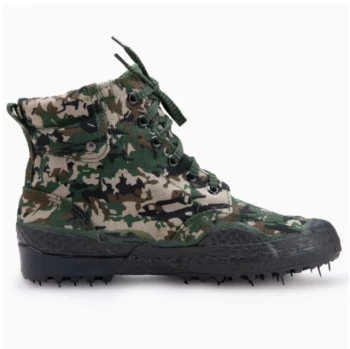
The short answer is to store your hiking boots in a location with stable, normal temperatures and good ventilation. The ideal spot is an indoor closet or a dedicated gear rack. You must avoid storing them in places with extreme temperature swings or poor airflow, such as attics, garages, or car trunks, as these environments will actively degrade the materials.
Your hiking boots are an investment in your comfort and safety on the trail. Proper storage is not about neatness; it's a critical maintenance step to protect the materials and construction that make your boots functional and durable.
Why Proper Storage is More Than Just Tidiness
The environment where you store your boots has a direct impact on their lifespan and performance. The adhesives, leather, and synthetic fabrics that provide support and waterproofing are vulnerable to environmental stress.
Protecting Material Integrity
Extreme heat, like that found in an attic or a car trunk, can soften and weaken the glues that bond the sole to the upper part of the boot. Over time, this can lead to delamination, where the sole peels away, rendering the boots useless.
Preventing Mold and Odor
Storing boots in a damp, unventilated space like a basement is the perfect recipe for mold and mildew growth. This not only creates unpleasant odors but can also permanently damage leather and fabric, causing them to rot and break down.
Maintaining Shape and Support
Proper storage helps your boots maintain their structural shape. Piling heavy items on top of them or cramming them into a tight space can cause them to deform, compromising the ankle support and comfortable fit you rely on.
The Simple Storage Process
Follow these steps after every hike, especially before putting your boots away for an extended period.
Step 1: Clean Your Boots
Always remove mud, dirt, and debris after a hike. Caked-on mud can draw moisture out of leather, causing it to dry and crack over time. Use a brush and water to gently clean the exterior.
Step 2: Ensure They Are Completely Dry
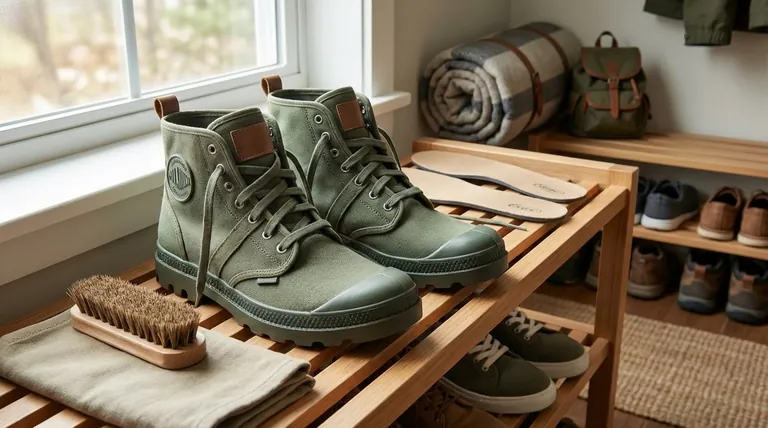
Never store wet or damp boots. Remove the insoles and loosen the laces to allow maximum airflow. Let them air dry naturally away from direct heat sources like fires or radiators, which can damage materials.
Step 3: Choose the Right Location
The best location is indoors, in a climate-controlled environment. A closet, a mudroom, or an open-air shoe rack are all excellent choices that provide the stable temperatures and ventilation your boots need.
Common Storage Pitfalls to Avoid
Understanding where not to store your boots is just as important as knowing the ideal conditions.
The Hot Car Trunk or Attic
These locations experience dramatic temperature fluctuations. The intense heat acts like an oven, slowly breaking down the essential adhesives and compromising the boot's construction.
The Damp Basement or Garage
High humidity and lack of airflow create a breeding ground for mold and mildew. This will ruin the materials and is often impossible to fully remediate once it takes hold.
The Sealed Plastic Box
While it may seem tidy, an airtight container is a mistake. It traps any residual moisture inside the boot, preventing it from escaping and creating a humid microclimate that can lead to material decay.
Maximizing the Lifespan of Your Boots
Your storage strategy should adapt slightly based on how frequently you use your gear.
- If your focus is short-term storage (between weekly hikes): A quick clean and a spot on an open shoe rack near the door is sufficient to ensure they dry and air out properly.
- If your focus is long-term storage (end of the season): Perform a thorough cleaning, ensure they are bone-dry, and place them in a closet or on a shelf where they won't be crushed or forgotten.
Protecting your gear is a direct investment in your future adventures on the trail.
Summary Table:
| Storage Factor | Ideal Condition | Pitfall to Avoid |
|---|---|---|
| Location | Indoor closet, gear rack | Attic, garage, car trunk |
| Environment | Stable temperature, good ventilation | Extreme heat, high humidity |
| Preparation | Clean, completely dry, insoles removed | Stored wet, in a sealed container |
| Goal | Preserve materials, shape, and support | Prevent delamination, mold, and deformation |
Ready to equip yourself with durable, high-performance footwear?
As a large-scale manufacturer, 3515 produces a comprehensive range of hiking and work boots for distributors, brand owners, and bulk clients. Our production capabilities ensure you receive gear built to last, season after season.
Contact our team today to discuss your footwear needs and discover the 3515 advantage.
Visual Guide

Related Products
- Wholesale High-Traction Camo Boots - Custom Manufacturer for Brands
- Durable Rubber Sole Outdoor Shoes Wholesale & Custom Manufacturing
- Durable Spiked Camouflage Boots Wholesale & Factory Production
- Wholesale Lightweight Tactical Boots Custom Manufacturer for Desert & Combat Use
- Wholesale Waterproof Tactical Boots Custom Suede & High-Traction Soles
People Also Ask
- What are the key features of the new line of camo boots? Built for Extreme Cold & Rugged Terrain
- Are camo boots necessary for hunting success? Prioritize Performance Over Pattern
- What is the technical logic behind using closed-eye testing for tactical boots? Unlocking Peak Footwear Stability
- How does the Rank Score Test identify the primary causes of premature failure in tactical and work boots? Key Insights
- What shoes to wear for a security job? Durable, Protective Footwear for Long Shifts