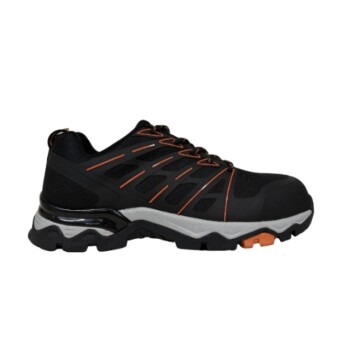
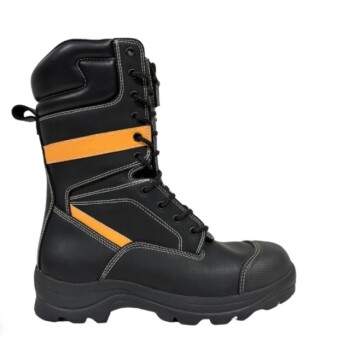
The uniform provision of standardized PPE acts as a foundational equalizer in construction safety. By eliminating quality disparities between different contractors, it ensures that every worker—regardless of their employer—is equipped with high-specification physical protection. This consistency directly lowers overall industry casualty rates, particularly for those performing high-risk activities like operating heavy machinery or working at heights.
The Core Takeaway Standardization transforms PPE from a variable commodity into a reliable safety baseline. It ensures that the "final line of defense" is equally strong for every person on site, significantly increasing the probability of preventing injuries in hazardous environments.
Eliminating Safety Disparities
The Problem of Variable Quality
In a fragmented construction environment, different contractors may supply equipment of varying quality. Uniform provision eliminates this gap, ensuring that safety standards are dictated by the project's risk profile, not an individual contractor's budget.
Protecting High-Risk Roles
Workers involved in critical tasks, such as operating heavy machinery or working at height, face the highest probability of severe injury. Standardization guarantees these workers receive high-specification gear capable of withstanding significant physical stress, rather than generic, lower-grade alternatives.
Reducing Casualty Rates
By raising the lowest common denominator of equipment quality, the industry sees a direct correlation in improved safety outcomes. When every worker is protected by the same high standard, overall casualty and injury rates decline.
The Mechanics of Physical Defense
The Primary Guarantee of Safety
According to industry weight analysis (PIPRECIA), PPE is the single most significant factor in reducing accident rates. It holds the highest weight (0.0686) among twenty-one safety sub-factors, acting as the primary guarantee for improving site safety performance.
Specific Protection Mechanisms
Standardized gear addresses specific physical threats with precision. Industrial safety helmets are designed to absorb impact energy from falling objects, while reinforced safety shoes are crucial for preventing foot crushing and punctures.
The Final Line of Defense
While administrative controls are important, PPE serves as the final physical barrier between the worker and the hazard. Systematic distribution ensures this barrier is in place before a worker ever steps foot into a danger zone.
Operational and Regulatory Strategy
Pre-Deployment Distribution
Effective safety management requires distributing core consumables—such as helmets and fall protection—before personnel enter hazardous work zones. This proactive approach reduces the probability of injury at the source.
Fulfilling Legal Obligations
Uniform provision is not just a safety tactic; it is a compliance necessity. Systematic distribution is often required to meet legal and regulatory frameworks, serving as the first line of defense in a comprehensive risk management system.
Understanding the Trade-offs
Reliance vs. Hierarchy of Controls
While PPE is vital, it is technically the "last" line of defense in the safety hierarchy (after elimination, substitution, and engineering controls). Over-reliance on standardized PPE can lead to a false sense of security if underlying hazards are not also addressed through process design.
Standardization vs. Fit
"Standardized" must not mean "one-size-fits-all" regarding physical fit. If equipment does not fit the individual worker correctly, its protective qualities are compromised, regardless of the specification quality.
Cost Implications
Implementing high-specification uniform provision requires a significant upfront investment compared to allowing contractors to source their own (potentially cheaper) gear. However, this cost is generally offset by the long-term reduction in accident-related costs and liabilities.
Making the Right Choice for Your Project
To effectively implement standardized PPE provision, align your strategy with your specific safety goals:
- If your primary focus is Risk Reduction: Prioritize high-specification gear for high-risk zones to ensure the strongest physical barrier against heavy machinery and height hazards.
- If your primary focus is Compliance: Implement a strict pre-deployment distribution system to satisfy legal requirements before workers enter the site.
- If your primary focus is Site Culture: Use uniform provision to visually demonstrate that every worker, regardless of contractor, is valued equally.
True safety management begins when protection is treated as a guarantee, not a variable.
Summary Table:
| Safety Factor | Impact Level | Primary Benefit |
|---|---|---|
| Equipment Quality | High (0.0686 Weight) | Eliminates disparities between different contractors |
| High-Risk Roles | Critical | Guarantees high-spec gear for machinery & height work |
| Injury Prevention | Direct Correlation | Lower industry-wide casualty and accident rates |
| Compliance | Mandatory | Meets legal requirements through systematic distribution |
| Site Culture | Psychological | Visualizes equal value for every worker on the site |
Secure Your Workforce with 3515 Standardized Footwear
As a large-scale manufacturer serving distributors and brand owners, 3515 offers comprehensive production capabilities for all footwear types, anchored by our flagship Safety Shoes series. Our extensive portfolio covers work and tactical boots, outdoor shoes, training shoes, and sneakers, as well as Dress & Formal shoes to meet diverse bulk requirements.
By partnering with us, you ensure that your safety management system is backed by high-specification, standardized protection that eliminates quality disparities. Contact us today to discuss your bulk requirements and discover how our manufacturing excellence can provide the final line of defense your workers deserve.
References
- Abdelrahman Abdalla Alhelo, Hamad Rashid. A Framework Supporting Health and Safety Practices in the United Arab Emirates’ Construction Projects. DOI: 10.3390/su15021587
This article is also based on technical information from 3515 Knowledge Base .
Related Products
- Heavy-Duty Waterproof Nubuck Safety Boots Safety Shoes for Bulk Supply
- Advanced KPU Athletic Safety Shoe with Steel Toe Cap Anti-Slip Rotary Lacing System
- Premium KPU Athletic Safety Shoes for Wholesale
- Premium Safety Shoes with Rotating Buckle Safety Sneakers
- Premium KPU Injection Athletic Style Safety Shoes
People Also Ask
- What primary protective functions do professional safety boots provide in urban solid waste recovery and waste picking processes? Discover Dual-Layer Protection.
- How do safety boots reduce cutting hazards? Essential Protection for Your Workforce
- Which organizations develop safety standards for work boots? Ensure Compliance & Worker Safety
- What are the common types of safety boots and their primary uses? A Guide to Industrial Footwear
- Why is ankle and arch support important in safety footwear? Prevent Injury & Fatigue