Standard rubber wellington boots offer significantly less traction than specialized snow boots on icy or packed surfaces. While wellington boots provide a total waterproof seal, they generally utilize harder rubber compounds and simpler tread patterns that lose flexibility in cold temperatures. In contrast, specialized snow boots are engineered with soft, cold-resistant compounds and aggressive multi-directional lugs specifically designed to bite into frozen terrain.
Core Takeaway: Standard wellington boots prioritize waterproofing over ice-grip, making them suboptimal for winter safety. For B2B distributors, the solution lies in sourcing specialized safety wellingtons or snow boots that utilize advanced cold-weather rubber compounds and certified slip-resistant outsoles.
The Engineering Gap in Outsole Design
Material Composition and Temperature Response
Standard wellington boots typically use high-density rubber or PVC designed for durability and liquid resistance. In freezing conditions, these materials undergo "glass transition," where the rubber becomes rigid and loses its ability to deform and grip the ground.
Specialized snow boots utilize soft-compound rubbers and thermal plastics that remain pliable well below zero. This flexibility allows the outsole to maintain a larger contact patch with the ground, which is essential for generating friction on slick surfaces.
Tread Depth and Lug Geometry
The "traction" of a boot is a result of its tread design. Standard wellingtons often feature shallow, wide-spaced patterns intended to shed mud and debris in temperate environments.
Snow-specific footwear incorporates deep lugs with sharp edges and "siping"—small slits in the rubber that create additional biting edges. These features are critical for displacing slush and anchoring the wearer into packed snow.
Strategic Manufacturing for Global Markets
Leveraging Heritage and Scale in Production
Enterprise-level distributors must balance performance with the reliability of their supply chain. High-volume manufacturers with a heritage dating back to 1951 provide the stability needed to deliver consistent quality across massive orders.
Partnering with a manufacturer that operates state-of-the-art equipment ensures that specialized outsoles—whether for standard wellingtons or high-performance snow boots—meet exact technical specifications. This scale is vital for maintaining inventory during peak seasonal demand.
OEM and ODM Customization Capabilities
For brand owners, the ability to customize the outsole compound is a competitive advantage. Premium OEM/ODM capabilities allow for the integration of slip-resistant technology into traditional wellington silhouettes.
This hybrid approach creates "Safety Wellingtons," which offer the total waterproofing of a rubber boot with the reinforced toecaps and specialized slip-resistant soles required for industrial winter use. These products are often backed by comprehensive international certifications, ensuring they meet global safety standards.
Understanding the Trade-offs
Durability vs. Immediate Grip
The softer rubber compounds used in high-traction snow boots provide superior grip but typically wear down faster when used on abrasive dry pavement. Standard wellington boots offer a longer lifespan in general-purpose wet environments due to their harder material composition.
Weight and User Fatigue
Specialized snow boots often include heavy insulation and multi-layered soles, which can increase user fatigue during long shifts. Standard wellingtons are lighter and more agile but require thermal liners or thick socks to provide any level of warmth, which can affect the internal fit and stability.
Breathability and Moisture Management
While both styles focus on keeping external water out, neither is naturally breathable. Snow boots often struggle more with internal moisture (sweat) due to their heavy insulation, whereas unlined wellington boots are easier to clean and dry but offer zero thermal protection.
Choosing the Right Product for Your Distribution Network
Selecting the correct inventory depends entirely on the end-user's environment and the safety requirements of your specific market.
- If your primary focus is agricultural or general wet-weather use: Standard rubber wellingtons remain the most cost-effective and durable choice for high-volume distribution.
- If your primary focus is industrial safety in cold climates: Prioritize safety wellingtons with certified slip-resistant outsoles and reinforced features to ensure worker protection.
- If your primary focus is consumer-facing winter retail: Invest in specialized snow boots that offer integrated thermal insulation and aggressive tread patterns designed for icy urban or rural terrain.
By aligning your procurement with a manufacturer capable of massive scale and technical precision, you ensure a robust supply of high-performance footwear that meets the rigorous demands of any climate.
Summary Table:
| Feature | Standard Rubber Wellington | Specialized Snow Boots |
|---|---|---|
| Rubber Type | Hard, high-density PVC/Rubber | Soft, cold-resistant compounds |
| Cold Response | Becomes rigid (Glass transition) | Remains pliable and flexible |
| Tread Pattern | Shallow, wide mud-shedding | Deep lugs with biting sipes |
| Surface Grip | Low on ice/packed snow | High on frozen/slippery terrain |
| Best For | Agriculture & general wet use | Industrial safety & winter retail |
Partner with 3515 for High-Volume, Certified Winter Footwear Solutions
Maximize your market reach with a manufacturing partner that understands the science of traction. As a large-scale manufacturer serving distributors and brand owners since 1951, 3515 offers massive production scale and state-of-the-art equipment to ensure consistent, large-volume delivery.
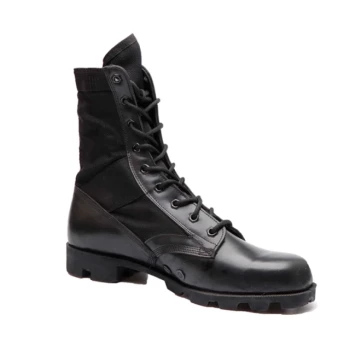
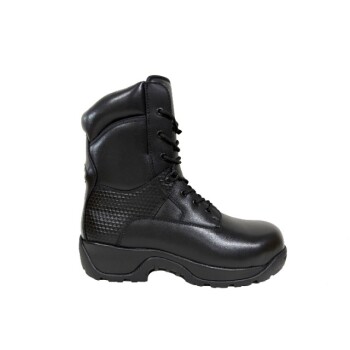
Whether you need our flagship Safety Shoes series with certified slip-resistance or custom OEM/ODM tactical boots and outdoor footwear, we provide the supply chain stability and international certifications your business requires. From dress shoes to heavy-duty work boots, our comprehensive portfolio is built to meet diverse bulk requirements and maximize your profit margins.
Ready to elevate your inventory? Contact 3515 Today to discuss your wholesale needs and custom manufacturing specifications.
Related Products
- Durable Waterproof Rain Boots | Custom Manufacturer for Wholesale & Brands
- Durable Goodyear Welt Leather Work Boots for Wholesale & Private Label
- Wholesale Durable Leather Work Boots | 8-Inch Goodyear Welt Manufacturer
- Premium Wholesale Tactical Style Safety Shoes Boots with Quick Lacing
- Durable High-Ankle Tactical Boots Wholesale Manufacturer for Custom & Bulk Orders
People Also Ask
- What are the main materials for waterproof rain boots? Choose the Right Material for Durability & Comfort
- What is the overall recommendation for choosing rain boot materials? A Guide to Rubber vs. PVC
- How does boot height affect waterproofing? Choose the Right Height for Ultimate Protection
- Why are rain boots more flexible and comfortable than snow boots? The Key Differences Explained
- What are the best types of shoes for different gardening conditions? Find Your Perfect Match.