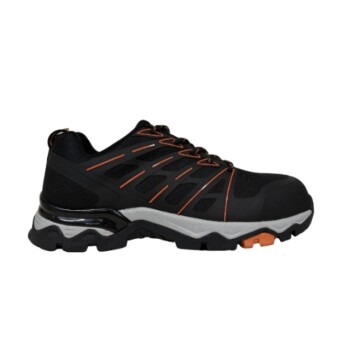
Structured support design functions by optimizing pressure distribution across the sole. By spreading weight evenly, these shoes significantly reduce the load on high-pressure zones of the foot. This mechanical redistribution minimizes localized stress, preventing the formation of pressure ulcers and shielding high-risk individuals from progressive damage caused by prolonged standing or walking.
For high-risk individuals, the danger is not just immediate impact, but cumulative stress. Structured support acts as a critical preventative measure against pressure ulcers, serving as the primary defense against complications that can lead to severe outcomes like amputation.
The Mechanism of Pressure Optimization
Eliminating Localized Stress
The fundamental role of structured support is to act as a load management system. High-risk individuals often develop pressure ulcers because their weight is concentrated on specific, small areas of the foot.
Structured designs widen the contact area, ensuring that no single point bears excessive force. This prevents the tissue breakdown that typically precedes serious injury.
Defense Against Progression
For workers who spend long periods standing, minor irritations can rapidly escalate.
Protective work boots intervene in this cycle by acting as a primary line of defense. By maintaining tissue integrity through pressure management, they stop minor stress points from becoming chronic wounds or necessitating amputation.
Managing Musculoskeletal Health
Reducing Repetitive Micro-Trauma
Beyond skin integrity, structured support is vital for internal soft tissue health. Occupational weight-bearing is a major risk factor for conditions like plantar fasciitis.
Safety shoes equipped with superior arch support and heel cushioning effectively disperse plantar pressure. This reduces the repetitive micro-trauma at the fascia attachment points that leads to chronic pain.
External Hazard Shielding
While internal support manages body weight, the external structure manages environmental risks.
Reinforced toe areas prevent crushing injuries from falling objects. Additionally, puncture-resistant midsoles (often steel or non-metallic) protect the sole from sharp objects, while specialized materials offer resistance against electrical hazards.
Understanding the Trade-offs
Rigidity vs. Flexibility
To provide adequate pressure distribution and puncture resistance, safety footwear often requires rigid components.
While this protects the foot structure, it can limit natural foot flexibility. Users may experience a "break-in" period or feel a reduction in ground feedback compared to non-safety footwear.
Weight Considerations
The materials required for structured support—such as reinforced midsoles and toe caps—add physical weight to the boot.
While essential for protection, this added weight can contribute to general leg fatigue during extended shifts. It is a necessary compromise to ensure the foot remains isolated from crushing forces and pressure ulcers.
Making the Right Choice for Your Safety
Selecting the correct safety footwear depends on your specific environmental risks and physical vulnerabilities.
- If your primary focus is preventing ulcers and skin breakdown: Prioritize boots with advanced pressure distribution technology to minimize localized stress points on the sole.
- If your primary focus is managing chronic pain or plantar fasciitis: Look for footwear with superior arch support and heel cushioning to disperse plantar pressure and reduce micro-trauma.
- If your primary focus is physical hazard protection: Ensure the boot includes a reinforced toe and a puncture-resistant midsole to shield against external impacts and sharp objects.
True safety is achieved when the protective structure of the boot aligns perfectly with the specific demands of your work environment.
Summary Table:
| Feature | Protection Mechanism | Key Benefit for High-Risk Workers |
|---|---|---|
| Pressure Distribution | Spreads weight across the entire sole | Prevents pressure ulcers and tissue breakdown |
| Arch & Heel Support | Disperses plantar pressure | Reduces risk of plantar fasciitis and micro-trauma |
| Reinforced Toe Cap | Shields against falling objects | Prevents crushing injuries in high-risk zones |
| Puncture Resistance | Steel or non-metallic midsole barriers | Protects the sole from sharp environmental hazards |
| Material Rigidity | Maintains structural integrity | Shields the foot from cumulative stress and impact |
Partner with 3515 for Premium Industrial Footwear Solutions
As a large-scale manufacturer serving global distributors and brand owners, 3515 offers comprehensive production capabilities for all footwear types. Our flagship Safety Shoes series is engineered with advanced structured support to provide high-risk individuals with the ultimate defense against pressure ulcers and impact injuries.
From work and tactical boots to specialized sneakers and dress shoes, we deliver bulk manufacturing excellence tailored to your brand's specifications. Protect your workforce and enhance your product line today—Contact us now to discuss your wholesale or custom production needs.
References
- Marcelle Ben chmo, Kristin Graham. “I was trying to look after myself, but I really wasn't”: Understanding patient's perspectives on risk factors for lower extremity amputations. DOI: 10.1186/s13047-022-00589-6
This article is also based on technical information from 3515 Knowledge Base .
Related Products
- Premium Suede Sport Safety Shoes for Wholesale & Bulk Orders
- Premium Lightweight Safety Shoes for Wholesale & Bulk Orders
- Wholesale Anti-Smash & Puncture-Proof Safety Shoes Custom Manufacturing for Brands
- Premium KPU Injection Athletic Style Safety Shoes
- Premium Safety Shoes with Rotating Buckle Safety Sneakers
People Also Ask
- What industries have specific OSHA footwear requirements? Ensure Compliance & Protect Your Workforce
- What are the primary functions of professional safety shoes? Maximize Safety in Water Supply Confined Spaces
- What role do specialized safety shoes play in preventing falls? Engineering Stability in Industrial Environments
- What are the main safety features of S1-S5 shoes? The 3 Essential Protections Explained
- What are the technical advantages of integrating sensors into safety shoes? Achieve Superior Motion Capture Precision