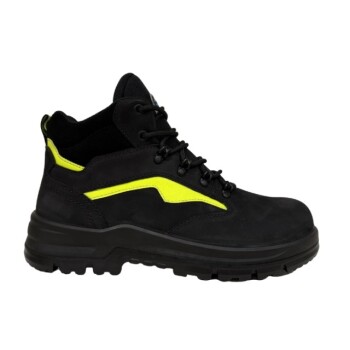
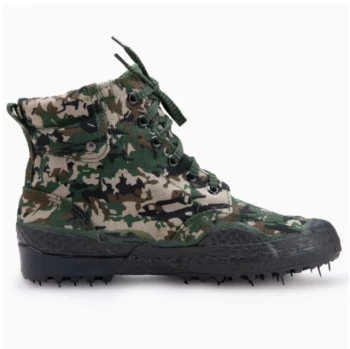
Specialized outsole patterns act as a hydraulic drainage system for the foot. They contribute to safety by actively channeling water away from the contact points between the shoe and the ground. This mechanism prevents the formation of a continuous water layer, ensuring the sole maintains direct friction with the floor surface rather than skimming over the top of the liquid.
The core function of these outsoles is not merely "grip," but effective fluid displacement. By utilizing specific geometric tread designs to expel water, these shoes maintain a high coefficient of friction and prevent the hydroplaning effect that causes most workplace slips.
The Mechanics of Slip Resistance
Channeling and Drainage
The primary role of a specialized tread pattern is to create pathways for water to escape. When a worker steps down, the pressure of the foot forces water into the grooves of the outsole.
These channels direct the fluid outward, away from the center of the foot. This action clears the liquid instantly, allowing the rubber ridges to contact the solid surface beneath.
Combatting the Hydroplaning Effect
Without these drainage channels, water becomes trapped under the flat surface of a shoe. This trapped water creates uplift, leading to hydroplaning, where the shoe loses all contact with the ground.
Specialized patterns disrupt the surface tension of the water. By breaking this tension and displacing the volume of fluid, the shoe prevents the "floating" sensation that leads to loss of balance.
Enhancing Stability in Poor Conditions
Reliable traction does more than prevent falls; it reduces physical strain on the worker. When personnel are confident in their footing, they expend less energy trying to stabilize themselves.
This is particularly vital in harsh weather or environments with poor visibility. Knowing the outsole will hold on a wet apron or flooded surface allows the worker to focus on the task rather than their footing.
Material Science and Design Synergy
Geometric Tread Configurations
The effectiveness of the outsole relies on the specific geometry of the tread. Designers optimize these patterns to ensure water is expelled regardless of the angle at which the foot strikes the ground.
These designs often feature open lugs or angled grooves. This prevents water from pooling and ensures continuous drainage during the walking motion.
Rubber Compound Composition
The tread pattern works in tandem with the material of the sole. Manufacturers use specific rubber compounds designed to maximize the coefficient of friction.
While the pattern moves the water, the rubber compound provides the "stick." This combination is critical for environments like kitchens or industrial sites where surfaces may be both wet and greasy.
Common Pitfalls to Avoid
The Risk of Clogging
While deep treads are excellent for water, they can trap solid debris. If mud or waste fills the channels, the shoe loses its ability to displace water effectively.
A clogged tread functions like a flat sole. Regular cleaning is essential to maintain the hydraulic capabilities of the pattern.
Tread Wear and Efficacy
The depth of the tread is directly correlated to safety. As the outsole wears down, the volume of water it can channel decreases significantly.
Workers must monitor the condition of their soles. Once the tread depth is compromised, the shoe can no longer prevent hydroplaning, regardless of the original design quality.
Making the Right Choice for Your Environment
To select the correct footwear, you must match the outsole capabilities to your specific environmental hazards.
- If your primary focus is heavy rain or flooding: Prioritize shoes with deep, open channels and substantial soles to maximize water drainage and thermal protection.
- If your primary focus is indoor wet/greasy surfaces (e.g., kitchens): Prioritize shoes with specialized non-slip rubber compounds and tight geometric patterns designed to cut through viscous fluids.
Understanding that traction is the result of fluid displacement rather than surface texture alone is the key to maintaining safety in wet conditions.
Summary Table:
| Feature | Mechanism of Action | Safety Benefit |
|---|---|---|
| Drainage Channels | Hydraulic displacement of fluid | Prevents water layers from forming between sole and floor |
| Geometric Tread | High-volume water expulsion | Eliminates the hydroplaning effect (lifting) |
| Rubber Compounds | Enhanced coefficient of friction | Provides superior 'stick' on greasy or slippery surfaces |
| Open Lug Design | Self-cleaning and debris expulsion | Maintains continuous contact and prevents clogging |
| Stability Support | Reliable foot positioning | Reduces physical fatigue and worker over-exertion |
As a large-scale manufacturer serving distributors and brand owners, 3515 offers comprehensive production capabilities for all footwear types. Our flagship Safety Shoes series is engineered with advanced hydraulic drainage patterns to ensure maximum protection in hazardous wet conditions. Beyond safety, our extensive portfolio covers work and tactical boots, outdoor shoes, training shoes, sneakers, and formal dress shoes to meet your diverse bulk requirements. Partner with 3515 today to secure high-performance footwear for your market — contact us now!
References
- Tian Tian, Yuantao Hao. The risk of injuries during work and its association with precipitation: New insight from a sentinel-based surveillance and a case-crossover design. DOI: 10.3389/fpubh.2023.1117948
This article is also based on technical information from 3515 Knowledge Base .
Related Products
- Wholesale Premium Waterproof Nubuck Safety Shoes Boots
- Heavy-Duty Waterproof Nubuck Safety Boots Safety Shoes for Bulk Supply
- Premium Wholesale Waterproof Safety Boots High Performance Protection for Industrial Markets
- Customizable Slip-On Safety Shoes Direct from the Factory for Wholesale
- Premium Safety Shoes with Rotating Buckle Safety Sneakers
People Also Ask
- Why are waterproof safety boots recommended for certain work environments? Essential Protection for Wet & Hazardous Jobs
- What materials are commonly used in waterproof boots? The Complete Guide to Durable, Breathable Protection
- What are the drawbacks of waterproof boots? The Breathability vs. Protection Trade-Off
- What is the advantage of one-piece construction in waterproof boots? Unbeatable Seamless Protection
- What is the difference between waterproof, water-resistant, and water-repellent boots? Choose the Right Protection for Your Feet