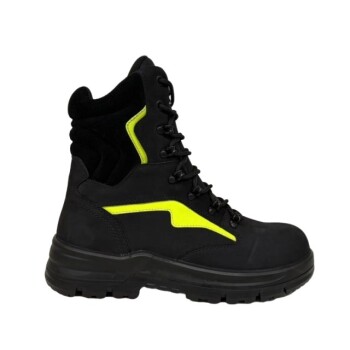
The selection of specific occupational protective footwear acts as the primary preventative control against occupational foot dermatosis (FD). By leveraging industrial-grade footwear tailored to specific environments, you establish a physical barrier that regulates the skin's exposure to hazardous elements. This strategic selection directly mitigates the risk of dermatitis caused by moisture accumulation, chemical irritants, and mechanical friction.
To effectively prevent foot dermatosis, your footwear strategy must address two fronts: utilizing materials that provide a chemical and moisture barrier to stop irritant contact dermatitis, and ensuring a precise ergonomic fit to eliminate mechanical skin damage.
The Role of Material Functionality
Creating a Defense Against Environmental Irritants
The primary function of protective footwear in this context is to serve as a physical barrier.
In environments involving hazardous substances, footwear with specific chemical resistance and waterproofing prevents direct contact with the skin.
This effectively reduces the risk of irritant contact dermatitis, which is commonly triggered by exposure to external allergens, harsh chemicals, or contaminated water.
Managing Internal Moisture Levels
Beyond blocking external fluids, the footwear must manage the internal microclimate of the shoe.
Selecting footwear with high breathability is essential for work performed in humid or enclosed spaces.
By allowing air circulation, these materials prevent the accumulation of sweat and moisture, which softens the skin and makes it more susceptible to irritation and fungal infections.
The Importance of Mechanical Fit
Eliminating Mechanical Dermatitis
While material protects against chemicals, the fit of the footwear protects against physical trauma.
High levels of fit minimize unnecessary compression and friction against the foot.
Through precise fit assessments—measuring foot width and pressure distribution—you can avoid mechanical dermatitis, a condition caused by repetitive rubbing and indentations from tight or ill-fitting gear.
Reducing Abnormal Sweating
A poor fit does more than just rub the skin; it alters how the foot functions mechanically.
Improper fit causes movement discomfort, which triggers a physiological response leading to abnormal sweating.
By ensuring the footwear fits correctly from a mechanical engineering perspective, you reduce this stress-induced sweating, keeping the foot drier and less prone to maceration.
Understanding the Trade-offs
Permeability vs. Protection
A common challenge in footwear selection is balancing waterproofing with breathability.
Highly waterproof or chemically resistant boots often suffer from reduced air circulation, potentially trapping sweat inside the boot if not managed correctly.
In these scenarios, moisture-wicking socks and regular breaks become critical supplementary controls to offset the lack of ventilation.
The Investment in Fit
Achieving a "precise fit" often requires more than buying standard sizes off the shelf.
It may necessitate measuring individual pressure distributions or investing in adjustable width options.
While this increases upfront effort and cost, it is a necessary investment to prevent the long-term downtime associated with chronic skin conditions.
Making the Right Choice for Your Environment
To apply these principles effectively, assess your primary environmental hazards:
- If your primary focus is Chemical or Wet Environments: Prioritize impermeable materials and waterproofing to create an absolute barrier against external irritants.
- If your primary focus is High-Activity or Physical Labor: Prioritize precise fit assessments to minimize friction and prevent mechanical dermatitis caused by movement.
- If your primary focus is Humid or Enclosed Spaces: Prioritize breathability to manage internal moisture buildup and prevent skin softening.
The most effective prevention strategy treats footwear not just as clothing, but as a sophisticated piece of personal protective equipment (PPE) engineered to preserve skin integrity.
Summary Table:
| Hazard Category | Prevention Mechanism | Key Material/Feature Required |
|---|---|---|
| Chemical/Wet Environments | Physical Barrier | Impermeable, Chemical-Resistant Materials |
| High-Humidity/Enclosed | Moisture Management | High Breathability & Air Circulation |
| High-Activity/Labor | Friction Reduction | Precise Ergonomic Fit & Width Options |
| Mechanical Stress | Pressure Distribution | Engineered Fit Assessments |
Elevate Your Fleet's Safety with 3515 Footwear Solutions
Protecting your workforce from occupational foot dermatosis requires more than just a standard boot; it demands precision-engineered protective gear. As a leading large-scale manufacturer serving global distributors and brand owners, 3515 provides comprehensive production capabilities across all footwear categories. Our flagship Safety Shoes series is specifically designed to balance chemical resistance with the ergonomic fit necessary to eliminate mechanical dermatitis.
From tactical and work boots to specialized outdoor and training shoes, we offer the scale and expertise to meet your diverse bulk requirements. Ensure your customers receive the highest standard of skin protection and comfort.
Ready to upgrade your inventory with professional-grade safety footwear?
Contact 3515 Today to Discuss Your Bulk Requirements
References
- Anja Hübner, Richard Brans. Programme for prevention of foot dermatoses in patients with work‐related skin diseases: Follow‐up data of a prospective cohort study (<scp>OCCUPES</scp>). DOI: 10.1111/cod.14453
This article is also based on technical information from 3515 Knowledge Base .
Related Products
- Safety Footwear Wholesale Manufacturer for Custom OEM/ODM Production
- Wholesale Customizable Safety Boots Durable & Protective Footwear Manufacturing
- Premium Grain Leather Safety Boots for Bulk Supply
- Premium Waterproof Nubuck Safety Boots for Wholesale
- Customizable Slip-On Safety Shoes Direct from the Factory for Wholesale
People Also Ask
- What are the key OSHA regulations for safety footwear? Ensure Compliance & Protect Your Workforce
- Why is high-load mechanical testing equipment necessary for safety footwear? Ensure Life-Saving Compression Resistance
- What does a red rectangle with a white C letter on safety footwear mean? Essential Guide to Conductive Footwear
- What is the difference between oil resistance and slip resistance in footwear? Protect Your Boots and Your Safety
- What are the basic requirements of the ASTM F2413-05 standard? Mandatory Impact & Compression Protection