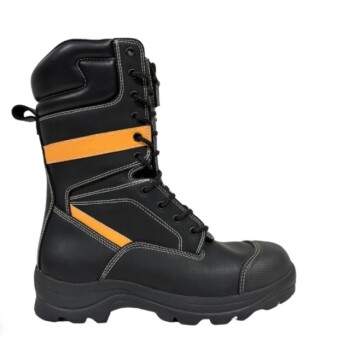
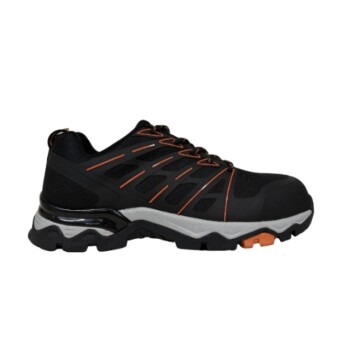
The integration of Pressure Sensitive Resistor (FSR) sensors fundamentally transforms safety shoes from passive protection into active diagnostic tools. By embedding a series of these sensors directly into the soles, the footwear creates a real-time plantar pressure mapping system. This technology prevents occupational injuries by continuously monitoring the worker's center of gravity to detect instability and dangerous postural imbalances before they result in long-term harm.
The core value of FSR integration lies in its ability to visualize the invisible mechanics of stability. By identifying uneven pressure distribution during stationary or high-exertion tasks, the system flags the compensatory movements that are the root cause of musculoskeletal disorders.
How FSR Sensors Detect Risk
To understand how these sensors prevent injury, we must look at how they analyze the interaction between the worker's foot and the ground. The system operates on three specific diagnostic levels.
Creating a Plantar Pressure Map
FSR sensors do not act as a single switch; they function as a network embedded in the sole.
Together, they generate a comprehensive map of plantar pressure (the pressure applied by the sole of the foot). This data provides a granular view of exactly how weight is distributed across the foot surface at any given moment.
Monitoring Center of Gravity
The primary metric for stability is the worker's center of gravity.
During tasks such as standing or tightening bolts, the sensors detect subtle shifts in weight. By monitoring these shifts in real-time, the system can determine if a worker is maintaining a stable base or drifting into a compromised position.
Identifying Imbalanced Postures
The greatest risk in occupational settings is often uneven pressure distribution.
When a worker adopts a poor posture, they often rely on compensatory movements to stay upright. The FSR system detects these irregularities instantly. By identifying these imbalances, the technology highlights the precursors to musculoskeletal disorders, allowing for intervention before chronic injury sets in.
Understanding the Trade-offs
While FSR sensors offer significant safety advantages, it is important to understand the context of their application to ensure they are used effectively.
Task Specificity
The effectiveness of this technology is highlighted specifically during standing or tightening tasks.
The system is optimized for detecting stability issues during these semi-static or exertion-heavy activities. It may be less effective or provide less relevant data for tasks involving high-velocity movement or running, where pressure dynamics change too rapidly for stability analysis to be the primary safety factor.
Detection vs. Correction
It is critical to remember that FSR sensors are diagnostic, not mechanical.
The shoe identifies the imbalanced posture and the compensatory movement, but it does not physically force the foot into the correct position. The prevention of injury relies on the system successfully flagging the issue and the workflow allowing for the correction of that posture.
Making the Right Choice for Your Goal
When evaluating smart safety shoes equipped with FSR technology, consider your specific safety objectives.
- If your primary focus is reducing chronic pain: Look for systems that emphasize the prevention of musculoskeletal disorders through long-term stability monitoring.
- If your primary focus is high-risk stationary tasks: Prioritize footwear that offers real-time feedback on center of gravity during tightening or heavy lifting operations.
By converting physical pressure into actionable data, FSR sensors provide the critical insight needed to stabilize the workforce and eliminate preventable strain.
Summary Table:
| Feature | Function in Injury Prevention | Primary Benefit |
|---|---|---|
| Plantar Pressure Mapping | Creates a real-time network of weight distribution | Visualizes hidden physical strain |
| Gravity Center Monitoring | Tracks subtle shifts in stability during tasks | Prevents falls and postural drift |
| Imbalance Detection | Identifies compensatory movements and poor posture | Flags risks before chronic injury occurs |
| Diagnostic Feedback | Provides actionable data on semi-static tasks | Enables targeted ergonomic interventions |
Elevate Your Workplace Safety with 3515 Smart Footwear Solutions
As a leading large-scale manufacturer, 3515 specializes in empowering distributors and brand owners with cutting-edge footwear technology. By integrating advanced FSR sensors into our flagship Safety Shoes series, we provide more than just protection—we provide diagnostic insights that safeguard the workforce.
Beyond safety, our comprehensive production capabilities cover tactical boots, outdoor shoes, training sneakers, and formal dress shoes to meet all your bulk requirements. Partner with a manufacturer that combines heritage with innovation.
Contact us today to discuss your custom manufacturing needs
References
- Mário Lopes, Joaquim Alvarelhão. Exploring the Efficacy of a Set of Smart Devices for Postural Awareness for Workers in an Industrial Context: Protocol for a Single-Subject Experimental Design. DOI: 10.2196/43637
This article is also based on technical information from 3515 Knowledge Base .
Related Products
- Premium Flame-Retardant Waterproof Safety Boots and Shoes
- Premium Lightweight Safety Shoes for Wholesale & Bulk Orders
- Premium Safety Shoes with Rotating Buckle Safety Sneakers
- Premium Suede Sport Safety Shoes for Wholesale & Bulk Orders
- Premium Wholesale Tactical Style Safety Shoes Boots with Quick Lacing
People Also Ask
- Why are waterproof safety boots recommended for certain work environments? Essential Protection for Wet & Hazardous Jobs
- What materials are commonly used in waterproof boots? The Complete Guide to Durable, Breathable Protection
- How does boot construction affect waterproofing? The Science Behind Truly Dry Feet
- What should you look for to ensure boots are fully waterproof? The Essential 2-Part System
- What is the advantage of one-piece construction in waterproof boots? Unbeatable Seamless Protection