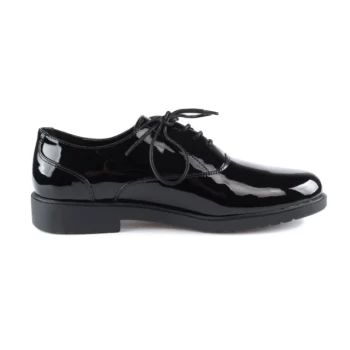
Choosing the right shoe material is a process of matching a material's inherent properties to your specific needs. The core principle is to select leather or suede for elegance, knit or canvas for lightweight activity, rubber for waterproofing and traction, and foam for dedicated comfort and support.
The most effective way to select footwear is not to search for a single "best" material, but to align the distinct characteristics of a material with the demands of your environment, activity, and personal goals.
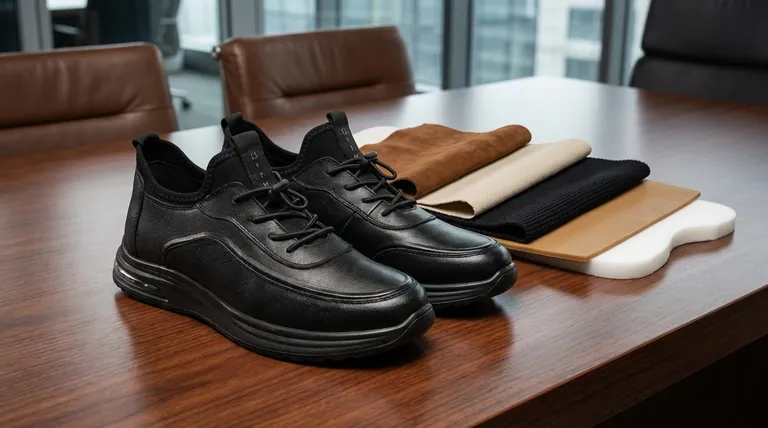
Matching Material to Purpose
Understanding the fundamental strengths of each material category is the first step toward making an informed decision. Each one is engineered to solve a different problem.
For Elegance and Durability
Leather and suede are the definitive choices for formal, business, or elegant casual wear. Their structure provides a classic aesthetic while offering durability with relatively minimal upkeep.
These materials are valued for their ability to conform to the wearer's foot over time, enhancing comfort for less strenuous activities.
For Active and Casual Wear
Knit and canvas materials prioritize breathability and low weight. This makes them ideal for athletic shoes, sneakers, and casual summer footwear where air circulation and flexibility are paramount.
Their construction is engineered for movement, reducing bulk and allowing for a more natural range of motion during active use.
For Protection and Traction
Rubber is a functional material chosen for its protective qualities. Its primary benefits are waterproofing and providing superior grip, or traction.
You will find it used extensively on the outsoles of boots and any footwear designed for wet or slippery conditions.
For Comfort and Support
Foam is the key material for cushioning and shock absorption. It is most commonly found in the midsole and insole of athletic and comfort-oriented shoes.
Its purpose is to dissipate the force of impact from walking or running, reducing stress on your joints and providing a supportive foundation.
Understanding the Trade-offs and Context
While these categories provide a clear guide, the optimal choice often depends on a broader context, especially in specialized environments.
The Impact of Environment
No single material is perfect for all conditions. A highly breathable knit shoe, ideal for a warm, dry day, would be completely unsuitable in the rain. Similarly, a rubber boot offers excellent protection but lacks the breathability needed for high-intensity activity.
The Specialized Needs of Safety Footwear
In a work environment, the decision process becomes much more critical. Material choice must be dictated by the specific hazards present.
Considerations like the risk of heavy impacts, electrical currents, or extreme temperatures must guide your selection. You must evaluate the properties of the entire shoe, including the toe cap's material and durability.
Consulting Regulations is Non-Negotiable
For any professional or industrial application, personal preference is secondary. Always consult the specific safety regulations and requirements of your industry to ensure the footwear provides compliant protection.
Making the Right Choice for Your Goal
Use your primary objective as the filter for selecting the right material.
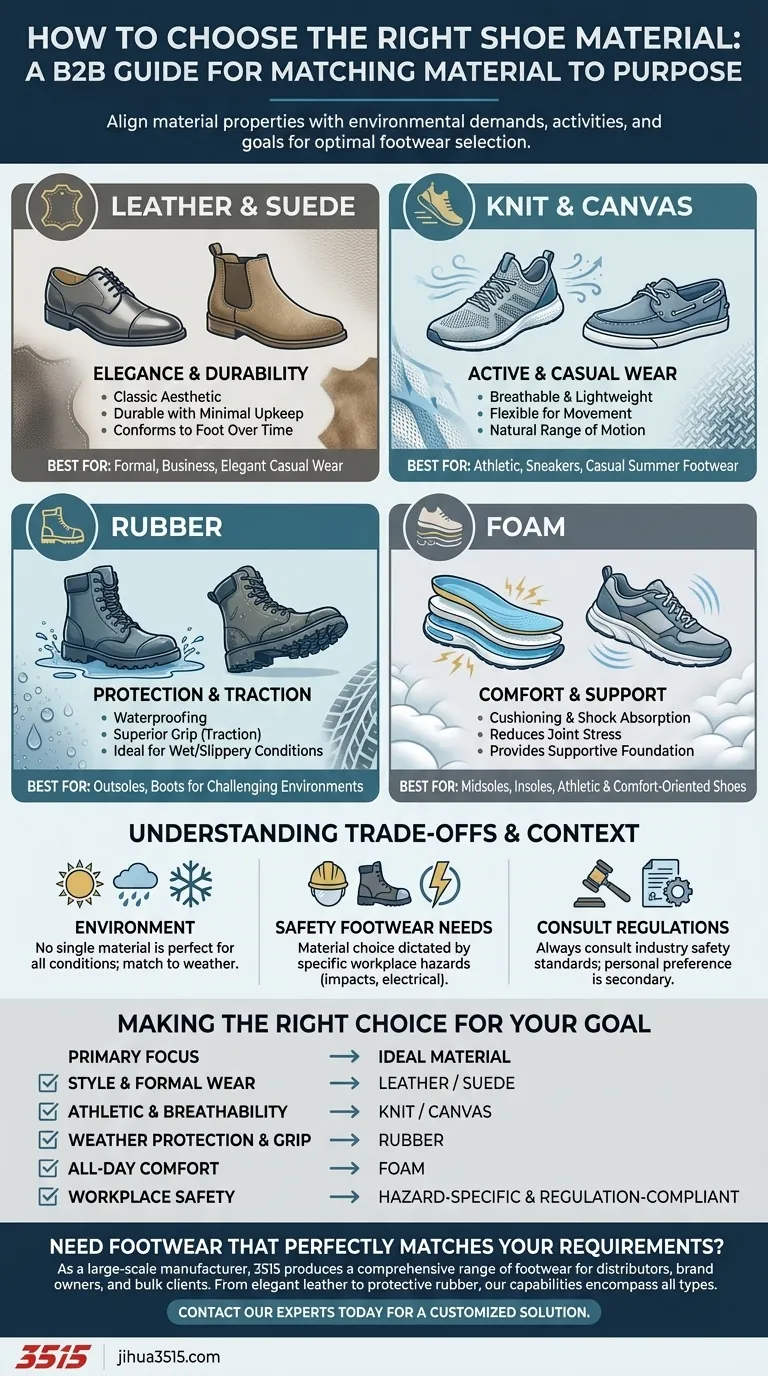
- If your primary focus is style and formal wear: Leather or suede provides the necessary elegance with minimal upkeep.
- If your primary focus is athletic activity or breathability: Lightweight knit or canvas materials are the ideal choice.
- If your primary focus is weather protection or grip: Rubber is essential for its waterproofing and traction capabilities.
- If your primary focus is all-day comfort and cushioning: Look for shoes with significant foam components for support.
- If your primary focus is workplace safety: Your choice must be guided by specific job hazards and industry regulations, not just material preference.
By matching the material's properties to your specific need, you can confidently select footwear that performs exactly as you require.
Summary Table:
| Material | Best For | Key Properties |
|---|---|---|
| Leather/Suede | Elegance & Durability | Classic aesthetic, durable, conforms to foot |
| Knit/Canvas | Active & Casual Wear | Breathable, lightweight, flexible |
| Rubber | Protection & Traction | Waterproof, superior grip |
| Foam | Comfort & Support | Cushioning, shock absorption, supportive |
Need footwear that perfectly matches your requirements?
As a large-scale manufacturer, 3515 produces a comprehensive range of footwear for distributors, brand owners, and bulk clients. Whether you need elegant leather shoes, breathable athletic wear, protective rubber boots, or comfortable foam-supported designs, our production capabilities encompass all types of shoes and boots to meet your exact specifications.
Contact our experts today to discuss your project and get a customized solution.
Visual Guide
Related Products
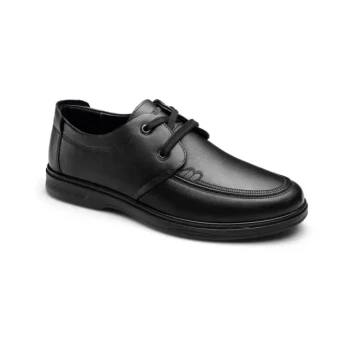
- Custom Manufactured Air Cushion Leather Business Shoes for Wholesale
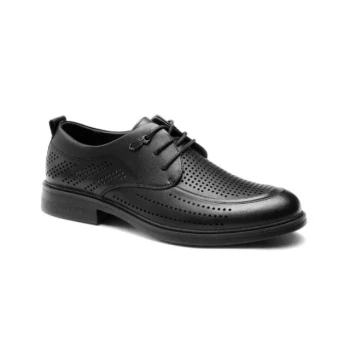
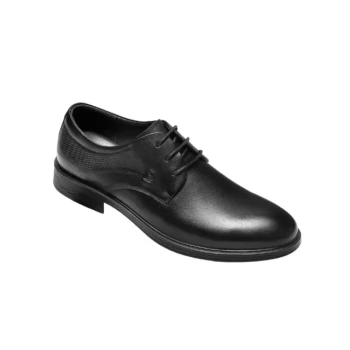
- Classic Leather Derby Dress Shoes Wholesale & Custom Manufacturing
- Wholesale Leather Derby Shoes Manufacturer | Customizable Business & Dress Footwear
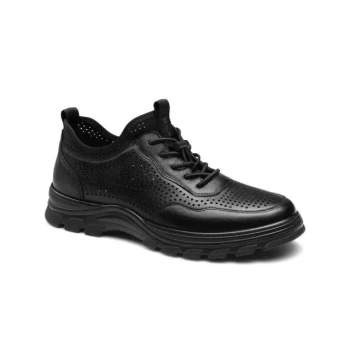
- Durable Rubber Sole Outdoor Shoes Wholesale & Custom Manufacturing
- Wholesale Leather Apron Toe Derby Shoes Custom Factory Production
People Also Ask
- What kind of shoes do businessmen wear? Master the Dress Code for Professional Success
- What are the essential business shoes every man should own? Build a Professional Wardrobe Foundation
- What are the benefits of lubricating work shoes? Protect Your Investment & Extend Lifespan
- What type of boots are suitable for challenging weather conditions in a business setting? | Durable & Professional Footwear
- When is saddle soap recommended for cleaning leather shoes? A Guide to Deep Restoration