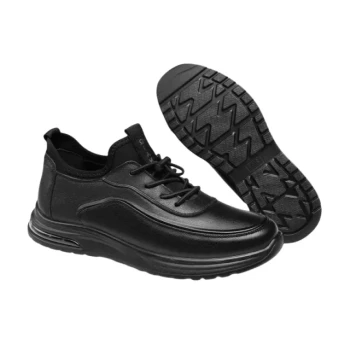
The analysis of consumer perception barriers acts as the primary driver for re-engineering manufacturing and refurbishment workflows. Instead of treating used footwear merely as recyclable waste, manufacturers utilize data on consumer fears—specifically regarding hygiene, quality, and age—to mandate stricter cleaning, repair, and secondary inspection protocols.
The transition from a "used" product to a market-accepted sustainable good relies on eliminating psychological barriers. By establishing high-standard refurbishment processes, manufacturers can guarantee quality and hygiene, effectively erasing the stigma associated with pre-owned footwear.
Targeting Specific Psychological Barriers
Addressing Hygiene and Cleanliness
The most immediate consumer barrier is the fear of poor hygiene. Analysis of this perception compels manufacturers to move beyond simple surface cleaning.
Refurbishment processes must evolve to include deep sanitization and sterilization protocols. This ensures that the biological footprint of the previous owner is completely removed, directly countering the "gross factor" associated with used shoes.
Overcoming Concerns About Age and Wear
Consumers often equate "used" with "structurally compromised." This perception is particularly damaging for performance footwear like Safety Shoes and tactical boots.
To address this, the manufacturing process must focus on functional restoration. Repair protocols are adjusted to reinforce structural integrity, ensuring the footwear performs as well as a new unit rather than just looking acceptable.
Operationalizing High Standards
Enhancing Repair Protocols
Feedback regarding consumer skepticism drives the adoption of advanced repair technologies. Manufacturers must standardize the repair process to treat every unit with the same level of care as new production.
This shift transforms the process from a basic patch-job to a comprehensive re-manufacturing effort. It ensures consistency, which is critical for building long-term brand trust.
Implementing Secondary Quality Inspection
A standard quality check is often insufficient for refurbished goods. The analysis of consumer trust issues necessitates the implementation of secondary quality inspection protocols.
This additional layer of scrutiny is designed to catch minute defects that might confirm a consumer's bias against used products. By failing any product that doesn't meet a "near-new" standard, manufacturers protect the integrity of the entire sustainable product line.
Understanding the Trade-offs
Process Complexity vs. Market Trust
Elevating refurbishment standards to meet consumer psychological needs adds significant complexity to the operation. Implementing deep cleaning and secondary inspections increases the time and cost per unit.
However, skipping these steps to save costs creates a "lemon market" effect. If consumers encounter even one low-quality refurbished product, the psychological barrier reinforces itself, potentially destroying the market for that brand's sustainable goods.
The Limits of Refurbishment
Not all footwear can be saved. High standards imply a higher rejection rate during the intake or inspection phase.
Enterprises must accept that strictly adhering to these quality protocols means scrapping footwear that—while technically functional—does not meet the aesthetic or hygiene standards required to overcome consumer hesitation.
Strategic Application for Your Operations
If your primary focus is Market Acceptance:
- Prioritize hygiene and cleaning protocols, as these directly address the visceral psychological barriers that prevent initial purchase.
If your primary focus is Product Reliability:
- Implement rigorous secondary quality inspections, specifically for high-stakes items like Safety Shoes, to ensure functional parity with new products.
By aligning your technical processes with consumer psychological needs, you convert skepticism into sustainable market share.
Summary Table:
| Perception Barrier | Impact on Manufacturing/Refurbishment | Strategic Goal |
|---|---|---|
| Hygiene & Bio-Fear | Implementation of deep sterilization & sanitization protocols | Erase the "gross factor" & biological footprint |
| Structural Wear | Reinforcement of functional integrity & part replacement | Ensure parity with new performance footwear |
| Quality Skepticism | Mandatory secondary inspections & strict rejection criteria | Build long-term brand trust & market reliability |
| Aesthetic Dislike | Advanced re-manufacturing & surface restoration | Achieve "near-new" visual appeal |
Partner with 3515 for High-Standard Footwear Solutions
As a premier large-scale manufacturer serving global distributors and brand owners, 3515 leverages decades of production expertise to overcome market barriers. Whether you require our flagship Safety Shoes or high-performance tactical, outdoor, and dress footwear, we provide the manufacturing excellence needed to ensure quality and consumer trust.
Our Value to You:
- Comprehensive Portfolio: From industrial safety boots to formal dress shoes and sneakers.
- Scalable Production: Optimized for bulk requirements and distribution networks.
- Rigorous Quality Control: Ensuring every unit meets professional-grade standards.
Ready to elevate your inventory with footwear that guarantees reliability? Contact us today to discuss your manufacturing needs!
References
- Jaroslav Mazanec, Veronika Harantová. Gen Z and Their Sustainable Shopping Behavior in the Second-Hand Clothing Segment: Case Study of the Slovak Republic. DOI: 10.3390/su16083129
This article is also based on technical information from 3515 Knowledge Base .
Related Products
- Durable Leather Work Boots for Wholesale & Custom Manufacturing
- Durable Leather High-Ankle Tactical Boots for Wholesale & Custom Manufacturing
- Premium Lightweight Safety Shoes for Wholesale & Bulk Orders
- Durable Waterproof Rain Boots | Custom Manufacturer for Wholesale & Brands
- Durable Leather Tactical Boots Wholesale & Custom Manufacturing for Brands
People Also Ask
- What is the difference between full-grain and top-grain leather? Premium Material Guide for Boot Manufacturers
- What are the common workplace hazards that can be mitigated with the right work boots? Protect Your Workforce
- What are the common foot issues workers face due to uncomfortable work boots? Prevent Pain & Deformities
- What are the advantages of leather versus synthetic work boots? A Guide to Choosing the Right Material
- What are the key components of modern work boots? Engineered for Ultimate Durability and Comfort