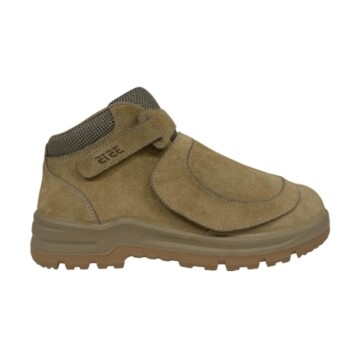
Effective pressure reduction is achieved through mechanical load transfer. Metatarsal pads and bars function by providing structural support directly under the arch or the shafts of the metatarsal bones. This physical intervention shifts the weight-bearing line, moving the load away from the vulnerable metatarsal heads and onto areas of the foot better equipped to handle the stress.
Metatarsal components do not simply cushion the foot; they actively redistribute force. By supporting the metatarsal shafts, these devices shift the weight-bearing line to areas with higher capacity, effectively lowering peak pressure to prevent tissue damage.
The Mechanics of Offloading
Targeted Structural Support
The core function of these components is to provide rigid or semi-rigid support beneath the metatarsal shafts or the arch.
Rather than placing material directly under the pain point, the support is positioned behind it. This elevates the bone shaft, preventing the metatarsal head from bearing the full force of the body's weight.
Shifting the Weight-Bearing Line
By altering the geometry of how the foot contacts the ground, these components shift the foot's weight-bearing line.
This ensures that the forces generated during walking or standing are not concentrated on a single point. Instead, the load is spread across a broader, more robust surface area.
The Protective Outcome
Relieving the Metatarsal Heads
The metatarsal heads—the bony "balls" of the feet—are high-risk areas for pressure ulcers and pain.
Specialized footwear components actively offload these heads. By transferring the weight backward to the shafts, the peak pressure at these specific anatomical sites is significantly reduced.
Preventing Tissue Damage
High localized pressure is a primary cause of tissue breakdown, particularly in patients with compromised sensation or circulation.
By redistributing pressure to areas with higher weight-bearing capacity, such as the midfoot, these components act as a preventative measure against long-term tissue damage.
Understanding the Trade-offs
The Risk of Improper Placement
The effectiveness of metatarsal pads relies entirely on precise positioning.
If a pad is placed too far forward—directly under the metatarsal heads rather than the shafts—it will have the opposite effect. This error increases pressure on the vulnerable area and can accelerate tissue damage.
Space and Volume Limitations
Introducing bars or pads into footwear alters the internal volume of the shoe.
While they provide necessary offloading, they may reduce the space available for the foot. This requires careful footwear selection to ensure the upper part of the shoe does not create new pressure points on the top of the foot.
Making the Right Choice for Your Goal
To select the correct footwear or orthotic component, you must align the mechanical function with your specific needs:
- If your primary focus is Pain Reduction: Verify that the support is positioned strictly under the metatarsal shafts, not the heads, to ensure true offloading.
- If your primary focus is Tissue Preservation: Choose components designed to shift the weight-bearing line toward the arch and midfoot, areas naturally capable of handling higher loads.
Correctly implemented, this mechanical redistribution is the most effective way to maintain foot health and prevent injury.
Summary Table:
| Feature | Mechanical Function | Benefit for User |
|---|---|---|
| Structural Support | Positions support behind metatarsal heads | Shifts load to shafts and arch |
| Weight Redistribution | Alters the foot's weight-bearing line | Spreads force across broader surface areas |
| Offloading | Elevates the bone shaft | Reduces peak pressure at the balls of the feet |
| Tissue Preservation | Moves stress to high-capacity areas | Prevents ulcers and long-term tissue damage |
Elevate Your Product Line with Precision-Engineered Footwear
As a large-scale manufacturer serving distributors and brand owners, 3515 offers comprehensive production capabilities for all footwear types, anchored by our flagship Safety Shoes series. Our extensive portfolio covers work and tactical boots, outdoor shoes, training shoes, and sneakers, as well as Dress & Formal shoes to meet diverse bulk requirements.
By partnering with us, you gain access to decades of manufacturing expertise in integrating complex orthopedic features like metatarsal offloading into high-performance footwear. We help you deliver superior comfort and protection that your customers demand.
Ready to scale your footwear business? Contact us today to discuss your wholesale or OEM needs.
References
- Clare McDonogh, Robert Snyder. Does in‐shoe pressure analysis to assess and modify medical grade footwear improve patient adherence and understanding? A mixed methods study. DOI: 10.1186/s13047-022-00600-0
This article is also based on technical information from 3515 Knowledge Base .
Related Products
People Also Ask
- How does metatarsal protection in safety footwear work? The Essential Guide to Foot Safety
- What is a metatarsal guard in safety boots? Essential Protection for Your Entire Foot
- How do metatarsal guards enhance work shoe safety? Prevent Crushing Foot Injuries on the Job
- What does the 'MT' in ASTM F2413-18 stand for? Essential Metatarsal Protection Explained
- What is metatarsal protection in safety boots? Essential Defense for Top-of-Foot Hazards