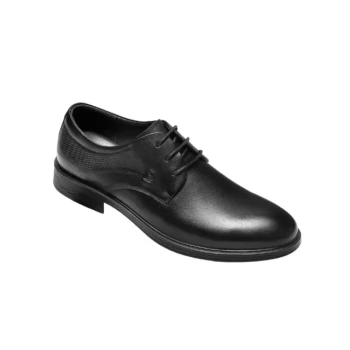
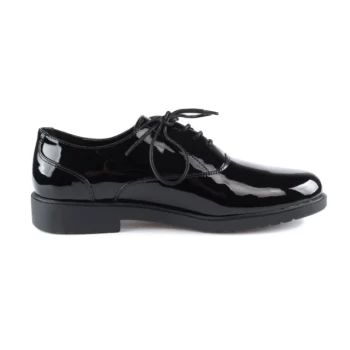
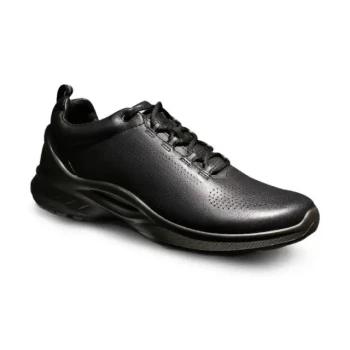
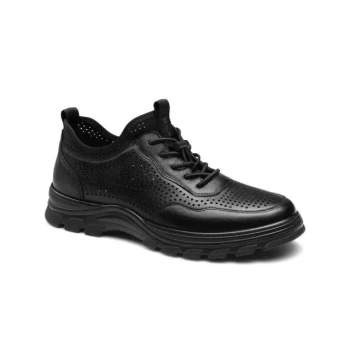
High-quality natural leather stands as the superior technical choice for formal footwear due to its inherent fibrous structure, which grants it exceptional durability and breathability. Beyond raw material properties, premium leather facilitates superior manufacturing precision—allowing for cleaner cutting, stitching, and finishing—while physically adapting to the wearer’s anatomy to ensure long-term comfort.
The core advantage of natural leather lies in its biological architecture. Unlike static synthetic materials, leather’s fibrous network allows it to mold to the foot and facilitate intricate manufacturing techniques, delivering a combination of custom-fit comfort and structural integrity that defines high-end footwear.
The Engineering of Material Performance
The Fibrous Structure
The fundamental technical advantage of natural leather is its inherent fibrous structure. This biological matrix provides a high strength-to-weight ratio, resulting in superior durability that resists mechanical stress over time.
Optimized Breathability
This same fibrous network creates a porous environment. It allows for natural air circulation and moisture management, preventing the heat buildup often associated with non-porous man-made materials.
The Adaptive Fit Mechanism
A critical differentiator in footwear engineering is the ability of the material to change shape without failing. Natural leather will gradually conform to the specific contours of the wearer's foot.
This capability is the material basis for achieving high levels of long-term wearing comfort. In Quality Function Deployment (QFD) methodologies, this adaptive property is often cited as the primary driver for user satisfaction in formal footwear.
Manufacturing Implications
Precision in Fabrication
From a production standpoint, premium leather offers distinct workability advantages. It allows for precise cutting and stitching without the fraying or structural weakness often seen in lower-grade composites.
Enhancing Perceived Value
The material's response to finishing processes directly impacts the product's market positioning. High-quality leather supports complex finishing techniques that enhance visual texture, significantly elevating the perceived value of the final product.
Understanding the Trade-offs
Moisture Absorption vs. Resistance
While leather excels at breathability, it differs significantly from man-made materials like vinyl or urethane regarding moisture interaction. Synthetics offer superior moisture resistance and easy maintenance, whereas leather requires care to manage absorption.
Shape Retention Limitations
Man-made materials are static; they maintain their original shape indefinitely but fail to adapt. Conversely, leather’s advantage—its ability to mold—can be a disadvantage if structure is not maintained, as it does not possess the rigid "shape retention" of plastics.
Cost and Maintenance Profiles
Synthetics generally offer lower costs and aesthetic appeal with minimal upkeep. High-quality natural leather requires a higher initial investment and ongoing maintenance to preserve its structural benefits.
Making the Right Choice for Your Goal
When selecting materials for footwear production, the decision rests on the specific performance requirements of the end-user.
- If your primary focus is Long-Term Ergonomics: Prioritize natural leather for its ability to conform to the foot and meet QFD comfort standards.
- If your primary focus is Cost Efficiency and Low Maintenance: Consider man-made materials like vinyl or urethane for their durability against moisture and ease of cleaning.
Ultimately, natural leather remains the definitive material for applications where technical precision, breathable durability, and adaptive comfort are non-negotiable requirements.
Summary Table:
| Feature | Natural Leather Advantage | Manufacturing Impact |
|---|---|---|
| Structural Matrix | Inherent fibrous network | High strength-to-weight ratio & durability |
| Thermoregulation | Porous air circulation | Superior moisture management & breathability |
| Ergonomics | Adaptive fit mechanism | Conforms to foot anatomy for custom comfort |
| Workability | Clean cutting/stitching | Enhanced precision without fraying or weakness |
| Aesthetics | Complex finishing | High visual texture and premium market value |
Partner with 3515 for Premium Footwear Manufacturing
As a large-scale manufacturer serving global distributors and brand owners, 3515 leverages decades of expertise in high-quality leather craftsmanship and technical engineering. Our comprehensive production capabilities allow us to deliver superior quality across all footwear types, from our flagship Safety Shoes series and tactical boots to high-end Dress & Formal shoes that demand the technical precision of natural leather.
Whether you need robust work boots or elegant formal footwear, we provide the scale and quality control to meet your bulk requirements. Contact us today to discuss your production needs and discover how our manufacturing excellence can elevate your brand.
References
- Hapsoro Agung Jatmiko, Danov Setiyo Nugroho. mplementing Kansei Engineering and Quality Function Deployment Method in Designing Shoes : Case Study at Rejowinangun Original Leather. DOI: 10.31940/logic.v22i1.70-80
This article is also based on technical information from 3515 Knowledge Base .
Related Products
- Wholesale Leather Derby Shoes Manufacturer | Customizable Business & Dress Footwear
- Wholesale Leather Derby Dress Shoes Custom Manufacturer for Brands
- Wholesale Patent Oxford Dress Shoes | Custom & Bulk Manufacturing
- Wholesale Comfortable Business Casual Shoes Custom Manufacturing
- Custom Manufactured Air Cushion Leather Business Shoes for Wholesale
People Also Ask
- What is the main difference between Derby Shoes and Oxford Shoes? It's All in the Lacing.
- What are the features and appropriate occasions for wearing derby shoes? A Guide to Versatile Style
- How do Derby shoes fit into business casual attire? Master the Perfect Balance of Professional Style
- What historical figure is associated with the Derby shoe? The Earl of Derby's Comfort Revolution
- How do Derby shoes differ from Oxfords? A Guide to Choosing the Right Shoe for Any Occasion