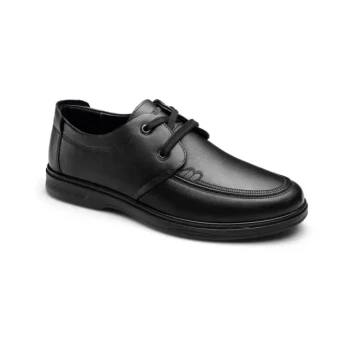
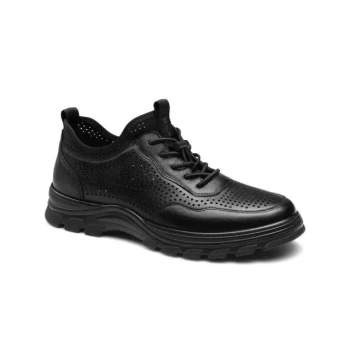
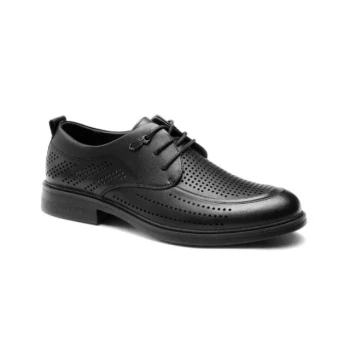
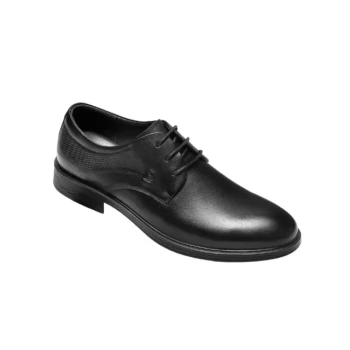
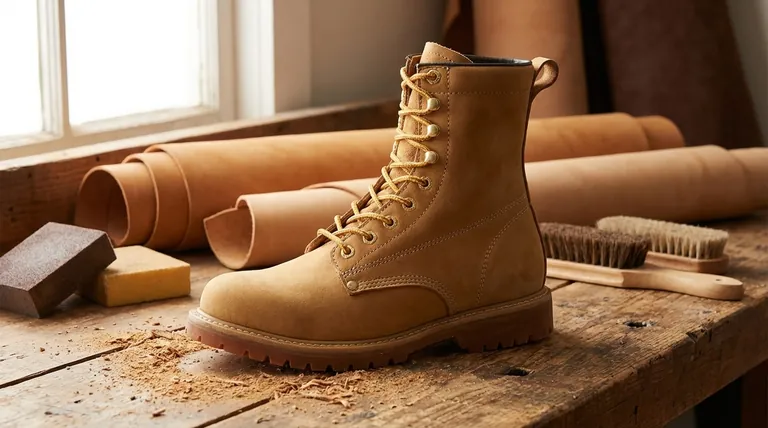
At its core, nubuck is a type of top-grain leather that has been sanded or buffed on the grain side, or the outer surface of the hide. This process creates a slight nap of short protein fibers, resulting in a soft, velvet-like texture that distinguishes it from the rugged, smooth surface of standard leather and the shaggier feel of suede.
The essential difference lies in a trade-off: nubuck sacrifices the smooth, sealed surface of traditional leather to achieve a luxurious, velvety feel, making it more durable than suede but far more susceptible to stains and moisture.
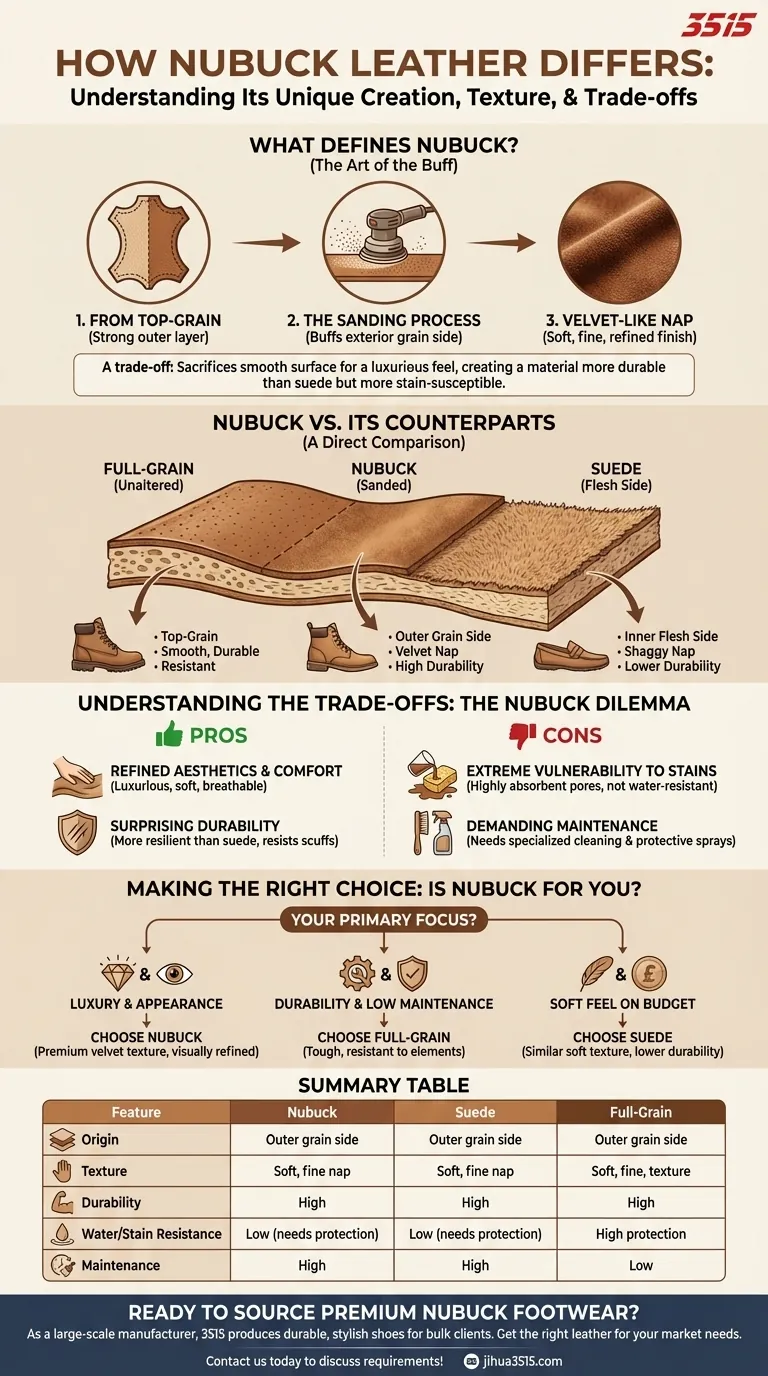
What Defines Nubuck? The Art of the Buff
To understand nubuck, you must first understand how it's made. The process itself dictates its unique characteristics, separating it from all other leather types.
From Top-Grain to Velvet
Nubuck always starts as top-grain leather. This means it comes from the outer layer of the animal hide, which is the strongest and most durable part. This origin is a critical point of quality.
The Sanding Process
The defining step is buffing the exterior grain surface. This light sanding abrades the top layer, creating a very fine nap of short fibers. This process also serves to hide minor imperfections in the original hide, resulting in a uniform and visually appealing finish.
The Resulting Texture
The final product has a signature feel: it is incredibly soft, almost like velvet. The nap is much finer and shorter than that of suede, giving it a more refined and luxurious appearance.
Nubuck vs. Its Counterparts: A Direct Comparison
The best way to appreciate nubuck's unique position is to compare it directly to the leathers it is most often confused with: suede and full-grain leather.
Nubuck vs. Suede
This is the most common point of confusion. While both are soft, sanded leathers, they come from different parts of the hide. Suede is created from the inner, flesh side of the hide, which is less durable. Nubuck is made from the outer, grain side, making it inherently stronger and more resilient.
Nubuck vs. Full-Grain Leather
Full-grain leather is the "original" material before any sanding occurs. Its surface is smooth, unaltered, and contains the hide's natural, dense pore structure. This makes it extremely durable and water-resistant. Nubuck starts as this high-quality leather but trades that protective outer layer for its signature softness.
Understanding the Trade-offs: The Nubuck Dilemma
Choosing nubuck involves accepting a specific set of advantages and disadvantages. Its luxury comes with a clear demand for attentive care.
Pro: Refined Aesthetics and Comfort
Nubuck's primary appeal is its luxurious feel and stylish appearance. It is soft to the touch and breathable, making it comfortable for items like footwear and jackets.
Pro: Surprising Durability
Because it is derived from top-grain leather, nubuck is significantly more durable and wear-resistant than suede. It resists scuffs and scrapes better, even though its surface seems delicate.
Con: Extreme Vulnerability to Stains
The buffing process opens the leather's pores, making it highly absorbent. It acts like a sponge for oils, dirt, and water, leading to stains that can be very difficult to remove. It is not naturally water-resistant.
Con: Demanding Maintenance
Nubuck is not a "wipe-and-go" material. It requires specialized care, including dedicated brushes to restore the nap and cleaners formulated for its delicate surface. Protective sprays are often necessary to provide some level of moisture resistance.
Making the Right Choice: Is Nubuck for You?
Your decision should be based on a realistic assessment of your priorities and willingness to provide proper care.
- If your primary focus is luxury and appearance: Nubuck offers a premium, velvety texture that is visually more refined and physically more durable than suede.
- If your primary focus is durability and low maintenance: Full-grain or standard top-grain leather is the superior choice for its toughness and resistance to the elements.
- If your primary focus is a soft feel on a tighter budget: Suede provides a similar soft texture but at the cost of significantly lower durability compared to nubuck.
Understanding these core differences empowers you to choose the right leather not just for its look, but for its lifetime performance.
Summary Table:
| Feature | Nubuck | Suede | Full-Grain Leather |
|---|---|---|---|
| Origin | Outer grain side (top-grain) | Inner flesh side | Outer grain side (unaltered) |
| Texture | Soft, fine, velvet-like nap | Soft, shaggier nap | Smooth, natural grain |
| Durability | High (more durable than suede) | Low | Very High |
| Water/Stain Resistance | Low (requires protection) | Very Low | High (naturally resistant) |
| Maintenance | High (needs specialized care) | High | Low (easy to clean) |
Ready to source premium nubuck footwear? As a large-scale manufacturer, 3515 produces a comprehensive range of durable and stylish shoes and boots for distributors, brand owners, and bulk clients. Our expertise ensures you get the right leather type for your market needs. Contact us today to discuss your production requirements!
Visual Guide
Related Products
- Factory Direct Wholesale Leather Comfort Shoes with Dial Closure
- Durable Leather Work Boots Wholesale Manufacturer & Custom Factory
- Wholesale Classic Leather Lace-Up Ankle Boots for Brand Manufacturing
- Wholesale Leather Ankle Boots with Lug Soles for Custom Brand Manufacturing
- Durable Leather High-Ankle Tactical Boots for Wholesale & Custom Manufacturing
People Also Ask
- What are some common materials used to make men's leather shoes? A Guide to Calfskin, Cordovan & Suede
- How can you waterproof leather shoes? Choose the Right Method for Maximum Protection
- What role do auxiliary materials play in leather shoe product mix optimization? Maximize Profit & Stability
- What are the best practices for storing leather shoes? Preserve Your Investment for Years to Come
- What are the maintenance requirements for leather shoes? A Complete Guide to Longevity