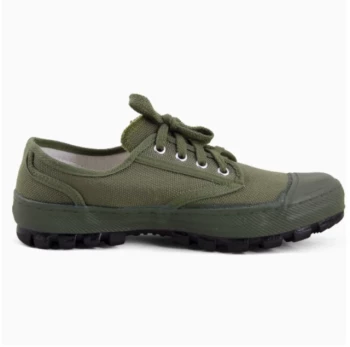
Moisture vapor coefficient testing is the distinct scientific process used to quantify how well shoe materials allow sweat to escape. It directly dictates comfort and hygiene by verifying that upper fabrics and linings have sufficient permeability to expel moisture, preventing the internal environment of the shoe from becoming damp and hazardous to foot health.
By enforcing high standards of permeability—such as a transfer rate greater than 20 mg/cm²—this testing ensures a shoe can maintain a dry internal micro-climate. This is the fundamental defense against the twin dangers of rapid heat loss due to wet skin and the biological risk of fungal infections.
The Science of the Internal Micro-Environment
Quantifying Breathability
Comfort in active footwear is not subjective; it is measurable. Moisture vapor coefficient testing provides hard data on the ability of shoe upper fabrics to expel sweat vapor.
Manufacturers use this testing to certify that materials meet a high standard of moisture permeability. A benchmark often cited for high-performance gear is a capability greater than 20 mg/cm².
Thermal Regulation and Heat Loss
The primary comfort risk in outdoor shoes is not just tightness, but dampness. When sweat accumulates inside a shoe, the moisture conducts heat away from the foot much faster than air.
By validating that vapor can escape, this testing prevents the "wet foot" phenomenon. This ensures that the foot stays dry, preventing the rapid heat loss that occurs when moisture compromises the shoe's insulation.
Hygiene and Fungal Prevention
Hygiene is inextricably linked to moisture management. A shoe that fails vapor coefficient testing traps sweat, creating a warm, humid environment perfect for bacteria.
Passing this test ensures the material actively reduces moisture accumulation. This is the most effective technical method for preventing fungal growth and maintaining a sanitary environment for the foot.
Understanding the Trade-offs
Breathability vs. Water Resistance
While a high moisture vapor coefficient is ideal for expelling sweat, it can sometimes conflict with water resistance.
Materials that are extremely open to letting vapor out may also be more prone to letting water in during heavy rain. The goal of testing is to find the optimal balance where the shoe remains breathable without becoming a sponge.
Testing vs. Mechanical Fit
It is important to note that vapor testing only addresses the climate inside the shoe, not the mechanical fit.
A shoe with excellent vapor transfer can still be uncomfortable if it lacks arch support or proper sizing. While vapor testing handles hygiene and temperature, physical fit remains the baseline requirement for structural comfort.
Making the Right Choice for Your Goal
To select the right footwear, you must balance the need for breathability with the demands of your environment.
- If your primary focus is high-intensity activity: Prioritize footwear with a high moisture vapor coefficient to maximize sweat expulsion and prevent fungal issues.
- If your primary focus is cold-weather static use: Ensure the shoe has adequate permeability to prevent sweat buildup, which is the leading cause of freezing feet.
- If your primary focus is mechanical comfort: Remember to assess physical fit and support alongside breathability, ideally trying on boots at the end of the day when feet are swollen.
True footwear performance relies on materials that are scientifically proven to keep the foot dry, warm, and free from infection.
Summary Table:
| Key Metric/Feature | Performance Standard | Primary Benefit |
|---|---|---|
| Moisture Transfer Rate | > 20 mg/cm² | Rapid sweat expulsion |
| Internal Micro-climate | Dry & Regulated | Prevents rapid heat loss |
| Hygienic Environment | Low Humidity | Inhibits fungal & bacterial growth |
| Material Balance | Breathable vs. Water-Resistant | Optimized for environment |
| Focus Areas | Uppers & Linings | Enhanced long-term comfort |
Partner with 3515 for High-Performance Footwear Manufacturing
As a large-scale manufacturer serving distributors and brand owners, 3515 offers comprehensive production capabilities for all footwear types, anchored by our flagship Safety Shoes series. Our advanced testing protocols ensure every pair—from work and tactical boots to outdoor shoes, training shoes, and sneakers—meets the highest moisture vapor standards for maximum comfort and hygiene.
Why Choose 3515?
- Certified Performance: We guarantee high-permeability materials (20 mg/cm²+) to protect your end-users from fungal risks and thermal discomfort.
- Diverse Portfolio: Whether you need robust Dress & Formal shoes or high-intensity athletic sneakers, we meet your bulk requirements with precision.
- Expert Engineering: We balance breathability with durability to enhance your brand's reputation for quality.
Ready to elevate your product line with scientifically proven footwear? Contact us today to discuss your bulk manufacturing needs!
References
- Noelia Rodríguez López, María Jesús Martínez Beltrán. Biomechanical analysis of barefoot walking and three different sports footwear in children aged between 4 and 6 years old. DOI: 10.1371/journal.pone.0291056
This article is also based on technical information from 3515 Knowledge Base .
Related Products
- Wholesale Breathable Athletic Sneakers - Custom Lightweight Cushioned Footwear Manufacturer
- Durable Rubber Sole Outdoor Shoes Wholesale & Custom Manufacturing
- Lightweight Breathable Sneakers with Wet-Traction Grip for Wholesale & Private Label
- Wholesale Lightweight Cushioned Athletic Sneakers for Custom Bulk Production
- Durable High-Traction Canvas Sneakers Wholesale & Custom Manufacturing
People Also Ask
- Why are breathable sneakers necessary for tropical commuting? Stay Cool and Dry in High Humidity
- In what ways do high-performance Athletic Shoes support stability and proprioception? Enhance Your Movement Precision
- What is the primary role of shoes in physical activities? Protection, Support & Performance
- How do specialized lightweight foam midsole materials contribute to the performance and safety of athletic shoes?
- What are athletic shoes designed to do? Achieve Peak Performance and Protection