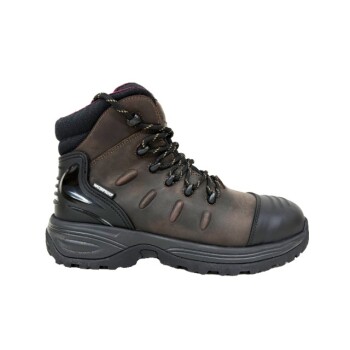
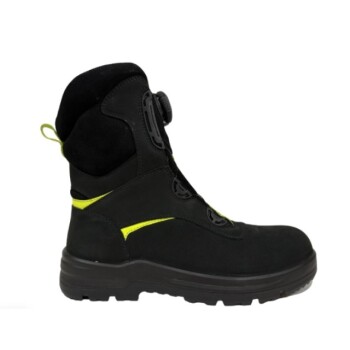
Industrial-grade Personal Protective Equipment (PPE) directly exacerbates heat stress by disrupting the body's natural thermoregulation process. By combining high thermal insulation with materials that restrict moisture transfer, this equipment traps metabolic heat against the skin and prevents the cooling effect of sweating.
While intended to shield workers from external hazards, industrial PPE often creates a "heat encapsulation" effect. By blocking sweat evaporation—the body's most critical cooling mechanism—it causes rapid accumulation of internal heat, significantly raising the risk of dehydration and dangerous core temperature spikes.
The Mechanism of Heat Encapsulation
Disabling the Body's Cooling System
The human body dissipates the majority of its excess heat through the evaporation of sweat. When sweat turns to vapor on the skin, it physically removes heat from the body.
Industrial PPE is frequently composed of materials that block this process. By preventing sweat from evaporating into the surrounding air, the gear renders the body's primary cooling mechanism ineffective.
The Impact of High Thermal Insulation
To protect against burns, cuts, or chemical exposure, industrial gear is designed with high thermal insulation. While this protects the worker from the outside environment, it also acts as a barrier to heat leaving the body.
Metabolic heat—the heat generated by the worker's own muscles during physical labor—cannot radiate away. Instead, it is reflected back toward the body, creating a feedback loop of rising temperature.
Escalating Physiological Strain
As heat is trapped by the PPE, core body temperature begins to rise uncontrollably.
The body responds by producing even more sweat in a futile attempt to cool down. Because this sweat cannot evaporate, it simply pools on the skin, leading to rapid dehydration and intensifying the overall physiological strain on the worker.
Understanding the Trade-offs
The Protection vs. Breathability Conflict
It is crucial to recognize that the properties causing heat stress are often the same properties that provide safety.
Impermeability protects against chemical splashes but stops airflow. Thickness protects against impact and abrasion but increases insulation.
There is often a direct correlation: the higher the level of protection provided by the PPE, the higher the physiological burden placed on the wearer. This is not a design flaw, but a physical reality of current material science that safety managers must account for.
Managing Heat Stress Risks in Industrial Environments
Recognizing that PPE inherently contributes to heat stress is the first step in mitigating the risk. You cannot always change the gear, but you can change how it is deployed.
- If your primary focus is operational safety: Mandate shorter work cycles and more frequent recovery breaks to allow the body to dissipate the heat accumulated inside the PPE.
- If your primary focus is equipment selection: Investigate PPE options that incorporate active venting or phase-change materials, provided they still meet the required safety standards for the specific hazard.
Effective safety management requires balancing the external protection of the worker with their internal physiological limits.
Summary Table:
| Heat Stress Factor | Mechanism of Action | Impact on the Worker |
|---|---|---|
| Sweat Evaporation | Materials block moisture transfer to the air | Disables the body's primary cooling system |
| Thermal Insulation | High-density barriers trap metabolic heat | Causes rapid rise in core body temperature |
| Material Impermeability | Prevents airflow to shield from chemicals | Creates "heat encapsulation" and dehydration |
| Physiological Strain | Excessive sweating without cooling | Leads to fatigue, heat exhaustion, and stroke risk |
Prioritize Safety Without Compromising Performance
At 3515, we understand that protecting your workforce requires a delicate balance between external shielding and physiological comfort. As a large-scale manufacturer serving distributors and brand owners, we offer comprehensive production capabilities across all footwear types. Our flagship Safety Shoes series is engineered to provide maximum protection while addressing the critical needs of durability and breathability.
From tactical boots and outdoor training shoes to sneakers and formal dress shoes, 3515 delivers bulk solutions that meet diverse industrial requirements. Let us help you equip your team with gear that stands up to the toughest environments.
Contact us today to discuss your bulk manufacturing needs.
References
- Vida Rezaei Hachesu, Farideh Golbabaei. Impact of Heat Stress on Renal Function: A Systematic Literature Review Focusing on Workplace Heat. DOI: 10.52547/johe.11.2.157
This article is also based on technical information from 3515 Knowledge Base .
Related Products
- Premium Wholesale Waterproof Safety Boots High Performance Protection for Industrial Markets
- Premium Waterproof High-Cut Industrial Safety Boots for Wholesale and Bulk Orders
- Wholesale Safety Boots Manufacturer for Custom & Private Label Orders
- Wholesale Customizable Safety Boots Durable & Protective Footwear Manufacturing
- Premium KPU Athletic Safety Shoes for Wholesale
People Also Ask
- What weather and chemical protections do premium boots offer? Your Complete Guide to Safety & Performance
- Why are waterproof safety boots recommended for certain work environments? Essential Protection for Wet & Hazardous Jobs
- What are the primary protective functions of industrial safety boots in oil palm plantations? Master Rough Terrain Safety
- Why are oil-resistant and anti-slip properties critical for industrial safety boots? Expert Outsole Engineering Guide
- What are the best types of shoes for different gardening conditions? Find Your Perfect Match.