Dynamic anthropometry improves functionality by measuring how body dimensions change during movement, rather than relying on a single static pose. By capturing these "dynamic increments"—such as the expansion of the back when bending or the chest when breathing—manufacturers can integrate precise movement data into the mathematical logic of Computer-Aided Design (CAD). This allows for the optimized distribution of "ease" (allowance for movement) within the pattern, ensuring the product supports active ergonomics without sacrificing a fitted, sleek aesthetic.
Traditional sizing often creates a conflict between a tailored look and physical comfort. Dynamic anthropometry resolves this by quantifying the body's mechanical changes, allowing designers to engineer "hidden" room for movement directly into the garment's structure.
The Mechanics of Dynamic Measurement
Moving Beyond Static Data
Standard anthropometry typically measures the body in a fixed, standing position. Dynamic anthropometry improves upon this by measuring changes in dimensions across different postures.
Capturing Dynamic Increments
The core value lies in identifying dynamic effects. This process quantifies exactly how much a body part expands or contracts during specific actions, providing a dataset of "dynamic increments" essential for functional design.
Optimizing Design via CAD Integration
Mathematical Logic in Patterns
Designers do not simply guess where to add fabric. They integrate these dynamic increments into the mathematical logic of CAD design systems.
Strategic Distribution of Ease
This integration allows for the optimized distribution of ease within the pattern. Instead of adding bulk everywhere, the system calculates exactly where extra material is needed to support specific joint rotations or muscle expansions.
Balancing Aesthetics and Ergonomics
Accommodating Daily Movements
True ergonomics must account for the reality of human activity. The data ensures footwear and apparel can handle routine actions like breathing, bending, and arm-lifting without restriction.
Maintaining a Sleek Appearance
Because the ease is distributed mathematically based on actual movement data, the design avoids looking baggy. The result is a product that maintains a sleek appearance while offering the functionality of activewear.
Understanding the Trade-offs
Complexity in Pattern Logic
Implementing dynamic anthropometry requires sophisticated CAD mathematical logic. If the dynamic increments are not calculated precisely, the resulting ease distribution may distort the garment's intended shape or fail to align with the body's actual pivot points.
Making the Right Choice for Your Goal
To leverage dynamic anthropometry effectively, you must align the data application with your end-product goals.
- If your primary focus is maximum comfort: Prioritize the inclusion of dynamic increments related to breathing and bending to ensure the ease distribution accommodates long-term wear.
- If your primary focus is visual aesthetics: Utilize the mathematical logic of the CAD system to minimize visible ease while retaining just enough room for essential dynamic effects.
Dynamic anthropometry bridges the gap between how a garment looks in a picture and how it performs in real life.
Summary Table:
| Feature | Static Anthropometry | Dynamic Anthropometry |
|---|---|---|
| Measurement Basis | Fixed, standing pose | Body dimensions during movement |
| Design Focus | Standard sizing & shape | Dynamic increments & joint rotation |
| CAD Integration | Manual allowance (guessing) | Precise mathematical logic |
| Eronomic Result | Potential restriction | Seamless support for bending/breathing |
| Aesthetic Impact | Can look baggy or tight | Sleek appearance with 'hidden' ease |
Partner with 3515 for Advanced Footwear Engineering
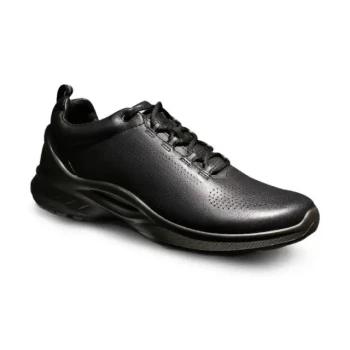
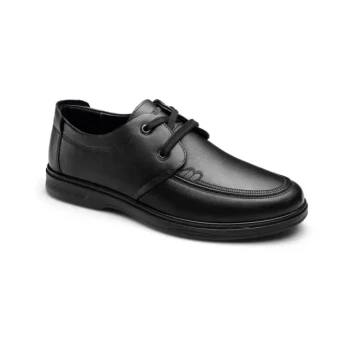
As a premier large-scale manufacturer serving global distributors and brand owners, 3515 leverages cutting-edge ergonomics to deliver high-performance footwear. Whether you need our flagship Safety Shoes, tactical boots, or sleek dress shoes, our comprehensive production capabilities ensure every pair balances functional movement with a professional aesthetic.
Ready to elevate your product line with precision-engineered footwear? Contact our team today to discuss your bulk requirements.
References
- Manuela Avădanei, Irina Ionescu. A New Approach to Dynamic Anthropometry for the Ergonomic Design of a Fashionable Personalised Garment. DOI: 10.3390/su14137602
This article is also based on technical information from 3515 Knowledge Base .
Related Products
- Wholesale Breathable Training Shoes Custom Athletic Footwear Manufacturer
- Lightweight Breathable Training Shoes for Wholesale & Custom OEM Manufacturing
- Wholesale Breathable Athletic Sneakers - Custom Lightweight Cushioned Footwear Manufacturer
- Wholesale Comfortable Business Casual Shoes Custom Manufacturing
- Custom Manufactured Air Cushion Leather Business Shoes for Wholesale
People Also Ask
- Why are professional-grade training shoes essential for physical therapy? Ensure Patient Safety and Gait Stability
- Why are the slip-resistance and stability performance of training shoes critical in gait analysis? Ensure Data Accuracy
- What is the primary role of specialized training or orthopedic shoes? Enhance Safety in Elderly Balance Training
- Why is sole stiffness testing using a force gauge necessary? Build Superior Training Shoes with Precision
- Why is specialized athletic footwear necessary for ankle rehab? Unlock Safety and Stability in Recovery