The Reconstructed Human Epidermis (RHE) model is preferred over traditional methods because it successfully replicates the complex, three-dimensional architecture and biochemical barrier of human skin. Unlike 2D cell cultures, which rely on a single flat layer of cells, the RHE model allows researchers to simulate realistic topical exposure, providing critical data on how footwear plasticizers penetrate the stratum corneum and trigger inflammatory responses.
Traditional 2D cultures often yield misleading toxicity data because they lack a functional barrier. The RHE model bridges this gap by mimicking the skin's layered structure, enabling accurate assessment of how chemical additives penetrate the skin and induce cytokine release.
The Importance of Structural Fidelity
Beyond the Monolayer
Traditional 2D cell cultures consist of a monolayer of cells grown on a flat surface. This simplistic arrangement fails to represent the complex tissue architecture found in a living organism.
Replicating the Biochemical Barrier
The RHE model offers a sophisticated 3D layered structure. Crucially, it possesses biochemical barrier properties that closely resemble those of actual human skin.
The Role of the Stratum Corneum
For footwear safety, the interaction between the material and the outermost layer of skin is vital. The RHE model includes a functional stratum corneum, allowing for the assessment of substance penetration in a way that 2D cultures cannot.
Simulating Real-World Exposure
Realistic Topical Application
In real-world scenarios, footwear materials sit on top of the skin. The RHE model allows researchers to apply plasticizers directly to the tissue surface, mimicking this exact contact mechanism.
Accurate Inflammatory Profiling
Safety assessment relies on detecting immune reactions. The RHE model accurately reflects inflammatory responses, specifically the release of cytokines.
Analyzing Penetration Dynamics
Toxicological data is most valuable when it accounts for the rate of absorption. This model tracks the biological response after the substance has actively penetrated the protective barrier, ensuring the data reflects true physiological risks.
Understanding the Trade-offs
Sensitivity vs. Physiological Relevance
While 2D cultures may be easier to maintain, they often result in "false positives" or "false negatives" because the cells are fully submerged in the chemical.
The Cost of Accuracy
The RHE model is a more complex system designed to replicate a living organ. The "trade-off" for this increased accuracy is the necessity of using a system that requires more sophisticated handling than simple glass-slide cultures, but the payoff is data that actually predicts human safety.
Making the Right Choice for Your Goal
When evaluating the safety of chemical additives in footwear, the choice of model dictates the reliability of your data.
- If your primary focus is physiological accuracy: Prioritize the RHE model to ensure the chemical barrier and penetration depth mimic human skin.
- If your primary focus is analyzing immune response: Use the RHE model to measure cytokine release triggered specifically after stratum corneum penetration.
By utilizing the RHE model, you move beyond theoretical toxicity to an accurate simulation of human biological interaction.
Summary Table:
| Feature | 2D Cell Cultures | Reconstructed Human Epidermis (RHE) |
|---|---|---|
| Structure | Single flat monolayer | 3D multi-layered architecture |
| Skin Barrier | None (Cells fully submerged) | Functional Stratum Corneum |
| Exposure Method | Systemic immersion | Realistic topical application |
| Accuracy | High risk of false results | High physiological relevance |
| Key Outcome | Basic cell viability | Precise cytokine & penetration data |
Partner with 3515 for Certified Footwear Excellence
At 3515, we understand that material safety is the foundation of consumer trust. As a large-scale manufacturer serving global distributors and brand owners, we utilize advanced production capabilities and rigorous standards to ensure every pair of shoes meets the highest safety requirements.
From our flagship Safety Shoes series to our comprehensive portfolio of tactical boots, outdoor shoes, training sneakers, and formal dress shoes, we prioritize the health and comfort of the end-user. By choosing 3515, you gain a partner committed to innovation, bulk reliability, and scientifically-backed manufacturing processes.
Ready to elevate your product line with a trusted manufacturing leader?
Contact Us Today to Discuss Your Bulk Requirements
References
- Isisdoris Rodrigues de Souza, Emanuela Corsini. The evaluation of skin sensitization potential of the UVCB substance diisopentyl phthalate by in silico and in vitro methods. DOI: 10.1007/s00204-024-03738-x
This article is also based on technical information from 3515 Knowledge Base .
Related Products
- Wholesale Durable Safety Boots Manufacturer Customizable Steel Toe Work Boots
- Lightweight Breathable Sneakers with Wet-Traction Grip for Wholesale & Private Label
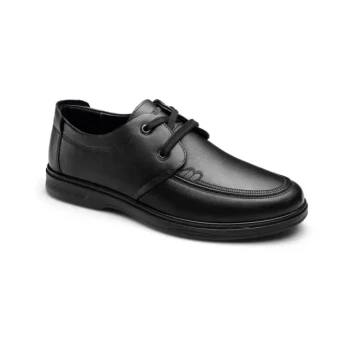
- Wholesale Leather Apron Toe Derby Shoes Custom Factory Production
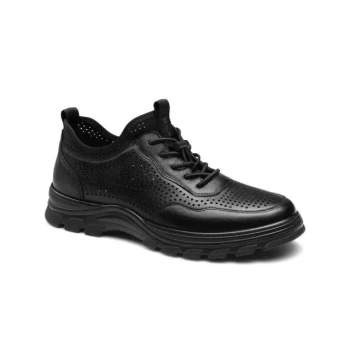
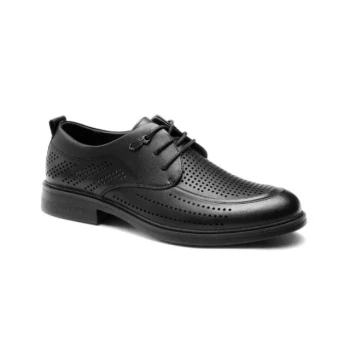
- Wholesale Modern Perforated Leather Derby Shoes with Chunky Sole for Custom Branding
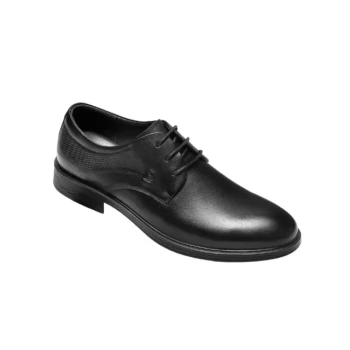
- Wholesale Leather Derby Dress Shoes Custom Manufacturer for Brands
People Also Ask
- What are the pros and cons of steel toe work boots? A Guide to Maximum Protection vs. Comfort
- What are the different types of steel toe work boots? Choose the Right Boot for Your Job
- What is the history of steel toe work boots? From German Invention to Modern Safety Standard
- How much weight can steel toe work boots withstand? Unpacking the 3,372 lb. Safety Standard
- What are some common myths about steel toe work boots? Debunked for Modern Workers