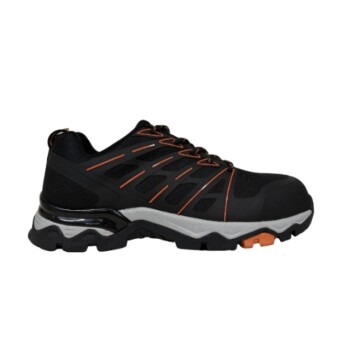
Temperature stability is the linchpin of reproducible slip resistance data. In safety shoe testing, constant temperature control—typically maintained at 24°C—is required to stabilize the physical properties of the test materials. Because shoe outsoles and flooring surfaces are often thermoplastic or viscoelastic, temperature fluctuations alter their hardness and friction characteristics, rendering test results unreliable.
Because rubber and PVC materials physically change based on thermal conditions, controlling the ambient temperature is the only way to distinguish true slip resistance from environmental noise.
The Science of Material Sensitivity
The Viscoelastic Nature of Soles
Safety shoe outsoles, often made of rubber, and test surfaces like PVC flooring, exhibit viscoelastic behavior. This means they react to stress differently depending on the temperature.
If the temperature rises, these materials generally become softer and more pliable. If the temperature drops, they become harder and more rigid.
Impact on Surface Friction
These changes in material hardness directly dictate the surface friction characteristics. A softer material typically creates a different contact patch and grip level compared to a harder version of the same material.
Without thermal control, a single shoe could yield vastly different slip resistance scores simply because the testing room was a few degrees warmer or cooler.
Ensuring Statistical Validity
Standardizing Static Friction
To determine if a safety shoe meets safety standards, researchers measure the static friction coefficient. This is a precise numerical value representing the grip between the shoe and the floor.
Valid statistical analysis requires that all variables, other than the shoe being tested, remain constant. Temperature control locks the environment as a fixed variable.
Enabling Accurate Comparisons
When comparing different material combinations, such as a new rubber compound against a standard PVC floor, the comparison is only valid if the baseline conditions are identical.
Testing at a standardized 24°C allows engineers to confidently attribute performance differences to the materials themselves, rather than the weather or HVAC settings.
Understanding the Trade-offs
The Risk of False Positives
Ignoring temperature control can lead to dangerous "false passes" in safety testing.
If a lab is unseasonably warm, a stiff outsole might soften enough to pass a friction test it would otherwise fail. This allows a sub-standard shoe to enter the market, posing a risk to the end-user.
The Cost of Data Corruption
Failing to maintain a constant temperature invalidates historical data comparisons.
If you cannot verify that the temperature was consistent between tests conducted last month and today, you cannot accurately track quality control trends or material degradation.
Making the Right Choice for Your Goal
To ensure your safety shoe testing provides actionable and legally defensible data, you must prioritize environmental consistency.
- If your primary focus is Regulatory Compliance: Ensure your testing environment is strictly maintained at 24°C to meet standard physical property requirements.
- If your primary focus is Material Development: Isolate temperature as a variable to understand how your rubber compounds will behave in extreme cold or heat, but never mix these results with standard compliance data.
Precision in the lab translates directly to safety on the floor; control your environment to trust your results.
Summary Table:
| Factor | High Temperature Impact | Low Temperature Impact | Impact on Test Results |
|---|---|---|---|
| Outsole Hardness | Becomes softer/more pliable | Becomes harder/more rigid | Inconsistent friction readings |
| Contact Patch | Increases surface area | Decreases surface area | Skews static friction coefficient |
| Material State | Enhanced viscoelastic flow | Reduced material elasticity | False positives or failed compliance |
| Data Integrity | Environmental noise interference | Environmental noise interference | Non-reproducible historical data |
Partner with 3515 for Rigorously Tested Safety Footwear
Precision in the lab translates directly to safety on the job. As a large-scale manufacturer serving distributors and brand owners, 3515 offers comprehensive production capabilities for all footwear types, anchored by our flagship Safety Shoes series. We understand that consistent testing standards—like thermal control—are essential for delivering reliable protection.
Our extensive portfolio covers work and tactical boots, outdoor shoes, training shoes, sneakers, and Dress & Formal shoes to meet your diverse bulk requirements. By choosing 3515, you benefit from our advanced manufacturing infrastructure and commitment to certified quality.
Ready to elevate your inventory with high-performance footwear? Contact us today to discuss your bulk needs and experience the 3515 manufacturing advantage.
References
- Murat DİKER, Engin Ergül. Determination of The Static Friction Coefficient of Some Materials Used for Anti-slip Safety with ANOVA. DOI: 10.29137/umagd.1182843
This article is also based on technical information from 3515 Knowledge Base .
Related Products
- Premium Suede Sport Safety Shoes for Wholesale & Bulk Orders
- Premium Lightweight Safety Shoes for Wholesale & Bulk Orders
- Wholesale Anti-Smash & Puncture-Proof Safety Shoes Custom Manufacturing for Brands
- Premium KPU Injection Athletic Style Safety Shoes
- Premium Safety Shoes with Rotating Buckle Safety Sneakers
People Also Ask
- What are the primary functions of professional safety shoes? Maximize Safety in Water Supply Confined Spaces
- What industries have specific OSHA footwear requirements? Ensure Compliance & Protect Your Workforce
- What role do specialized safety shoes play in preventing falls? Engineering Stability in Industrial Environments
- How does professional industrial cleaning equipment maintain the performance stability of safety shoes? Pro Maintenance
- How do specialized safety shoes protect against battery maintenance injuries? Prevent Impact and Chemical Burns