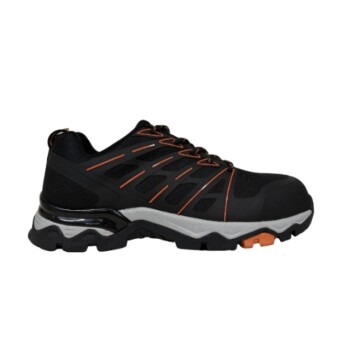
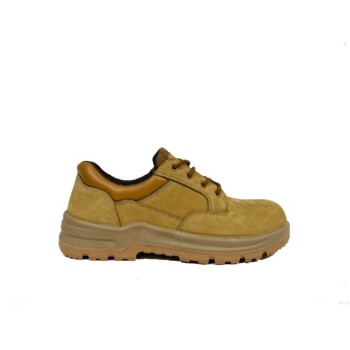
Comparative testing is the cornerstone of effective footwear design. It involves evaluating performance across varying substrates—such as concrete, metal, and wood—to identify specific frictional weaknesses in a shoe's design. This data directly dictates critical adjustments to sole tread patterns and material formulations, ensuring stability even in the most treacherous conditions.
Flood-prone environments present unpredictable risks due to drastically varying surface friction. By rigorous testing against diverse materials, manufacturers can engineer specialized soles that maintain traction on the most dangerous surfaces, such as wet metal or painted wood, significantly expanding the user's safe operating zone.
The Science of Surface Interaction
Addressing Frictional Variability
Road surfaces are rarely uniform, particularly in flood-prone environments. Testing across diverse materials is essential because it reveals how different surface textures interact with fluids and footwear soles.
Targeting Low-Friction Extremes
Standard testing often overlooks the specific dangers of slick substrates. Comparative analysis specifically targets high-risk scenarios, such as walking on wet metal or painted wood, where the coefficient of friction is dangerously low.
Optimizing Design Parameters
Refining Tread Patterns
Data derived from comparative tests allows engineers to manipulate physical design elements. The goal is to create tread patterns that maximize physical contact with the substrate, regardless of the underlying material.
Adjusting Material Formulations
The chemical composition of the sole is just as critical as its physical shape. Testing guides the precise formulation of rubber compounds to ensure they provide adequate adhesion on specialized surfaces.
Understanding the Trade-offs
Specialization vs. Generality
Optimizing footwear for specialized safety in flood scenarios often requires a distinct focus. A sole designed to grip wet metal may behave differently than a general-purpose boot designed for dry asphalt.
The Limits of Optimization
While testing expands the "safe operating zone," no footwear can eliminate risk entirely. Optimization focuses on improving traction in low-friction environments, but users must still navigate these hazards with caution.
Making the Right Choice for Your Goal
Selecting the right footwear depends on understanding the specific environment you expect to encounter.
- If your primary focus is maximum flood safety: Prioritize footwear tested specifically on high-risk substrates like wet metal and painted wood to ensure stability in unpredictable waters.
- If your primary focus is versatile utility: Look for designs that balance specialized tread patterns with material formulations capable of handling a broader range of dry and wet surfaces.
Ultimately, comparative testing transforms raw data into a safety net, allowing users to navigate hazardous environments with confidence.
Summary Table:
| Feature | Concrete/Asphalt | Metal/Slick Surfaces | Wood/Painted Surfaces |
|---|---|---|---|
| Friction Challenge | High texture, abrasive | Low friction, non-porous | Variable, highly slick when wet |
| Optimization Focus | Durability & even wear | Micro-tread suction & grip | Deep-channel fluid evacuation |
| Material Need | Harder rubber compounds | Soft, high-traction rubber | Specialized chemical adhesion |
| Key Benefit | General-purpose stability | Slip prevention on metal | Enhanced safety in floods |
Partner with 3515 for High-Performance Safety Footwear
As a large-scale manufacturer serving global distributors and brand owners, 3515 leverages advanced testing and production capabilities to deliver superior protection. Our safety footwear is engineered to excel on challenging surfaces like wet metal and wood, ensuring your customers stay safe in the most hazardous environments.
Beyond our flagship Safety Shoes series, our extensive portfolio includes:
- Tactical & Work Boots: Rugged durability for extreme conditions.
- Outdoor & Training Shoes: Performance-driven designs for active use.
- Sneakers & Formal Shoes: Versatile solutions for diverse bulk requirements.
Ready to elevate your product line with scientifically optimized footwear? Contact us today to discuss your bulk manufacturing needs and discover the value 3515 brings to your brand.
References
- Guo Xin, Xiaojing Li. Analysis of Self-Rescue Possibilities for Pedestrians in the Aftermath of Destabilization during a Flood Event. DOI: 10.3390/w16091218
This article is also based on technical information from 3515 Knowledge Base .
Related Products
- Premium Suede Sport Safety Shoes for Wholesale & Bulk Orders
- Premium Lightweight Safety Shoes for Wholesale & Bulk Orders
- Wholesale Anti-Smash & Puncture-Proof Safety Shoes Custom Manufacturing for Brands
- Premium KPU Injection Athletic Style Safety Shoes
- Premium Safety Shoes with Rotating Buckle Safety Sneakers
People Also Ask
- What are the primary functions of professional safety shoes? Maximize Safety in Water Supply Confined Spaces
- What industries have specific OSHA footwear requirements? Ensure Compliance & Protect Your Workforce
- What role do specialized safety shoes play in preventing falls? Engineering Stability in Industrial Environments
- Why should ergonomics and comfort be prioritized when selecting safety shoes? Boost Compliance & Worker Health
- Why is barefoot walking used as a baseline in gait safety research? Unlocking Natural Biomechanics for Shoe Design