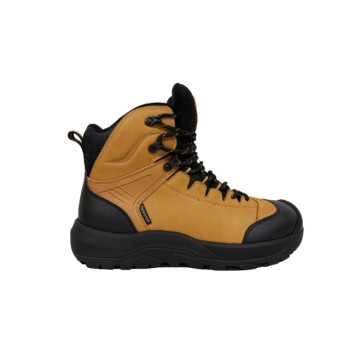
Industrial-grade freezers and cooling units act as critical guardians of material integrity within the footwear supply chain. Their primary function is to provide controlled low-temperature environments during storage and logistics, specifically for temperature-sensitive components like specialized adhesives and raw materials. By maintaining a strict cold chain, these units slow down biochemical reactions, ensuring that materials retain their bonding properties and freshness from the factory to the assembly line.
Core Takeaway: Cooling units are not just storage devices; they are quality assurance tools that "lock in" the chemical stability of vital components. By preserving material freshness, they directly reduce cargo loss and ensure the long-term durability of the finished shoe.
Preserving Chemical Stability
The Critical Role of Adhesives
In shoemaking, industrial-grade adhesives—such as yellow glue or all-purpose adhesives—are indispensable chemical auxiliary materials. They provide the necessary bonding strength to unite the leather upper, outsole, and reinforcement components.
Slowing Biochemical Reactions
These chemical components are highly sensitive to environmental changes. Cooling units function by slowing down biochemical reactions within the raw materials. This process locks in the quality of the adhesive, ensuring it remains effective when it is time for application.
Preventing Structural Failure
Without proper temperature control, the chemical stability of adhesives can degrade. This degradation compromises the structural integrity of the shoe, leading to potential delamination (separation of layers) under walking pressure or temperature fluctuations.
Logistics and Cargo Protection
Maintaining the Cold Chain
The function of these units extends beyond static storage into the logistics phase. They ensure the cold chain is maintained continuously while materials move through the distribution network.
Reducing Cargo Loss
By keeping materials in a controlled environment, manufacturers significantly reduce the risk of spoilage. This capability makes cooling units core assets for reducing cargo loss, preventing the financial and environmental waste associated with discarding unusable raw materials.
Common Pitfalls to Avoid
Neglecting the "Freshness" Factor
A common oversight is treating industrial adhesives as shelf-stable goods rather than perishable chemical compounds. Failing to utilize cooling units leads to a loss of material freshness, rendering the adhesives less effective even before they are applied.
Underestimating Environmental Impact
Ignoring the need for temperature control does not just affect quality; it impacts sustainability. Spiled materials result in increased waste. Utilizing these units is a key strategy for maintaining sustainability standards in footwear distribution.
Ensuring Supply Chain Resilience
To maximize the value of your manufacturing process, align your cold chain strategy with your specific production goals.
- If your primary focus is Product Durability: Prioritize cooling for all adhesive components to ensure maximum chemical stability and prevent delamination in the final product.
- If your primary focus is Cost and Sustainability: Leverage these units to minimize cargo loss during logistics, ensuring that every batch of raw material purchased is viable for production.
Effective temperature management is the invisible foundation of a high-quality, sustainable footwear supply chain.
Summary Table:
| Function | Key Benefit | Impact on Footwear Quality |
|---|---|---|
| Temperature Control | Slows biochemical reactions | Maintains chemical stability of adhesives |
| Cold Chain Logistics | Reduces cargo loss | Ensures material freshness during transport |
| Structural Protection | Prevents delamination | Enhances long-term bonding and durability |
| Sustainability | Minimizes material waste | Improves supply chain efficiency and environmental standards |
Elevate Your Footwear Quality with 3515
As a large-scale manufacturer serving distributors and brand owners, 3515 offers comprehensive production capabilities for all footwear types, anchored by our flagship Safety Shoes series. Our extensive portfolio covers work and tactical boots, outdoor shoes, training shoes, and sneakers, as well as Dress & Formal shoes to meet diverse bulk requirements.
We understand that high-quality manufacturing begins with superior material integrity. By partnering with us, you gain access to a supply chain that prioritizes chemical stability and advanced production standards to deliver durable, market-ready footwear.
Ready to scale your production with a reliable partner? Contact us today to discuss your bulk manufacturing needs!
References
- Stacia Reviany Mege, Farah Ula Nida. Sustainability of E Commerce Business through Logistic System in the COVID 19 Pandemic. DOI: 10.36346/sarjbm.2022.v04i03.005
This article is also based on technical information from 3515 Knowledge Base .
Related Products
- Wholesale Modern Business Shoes with Dial Closure System for Bulk Orders
- Lightweight Breathable Sneakers with Wet-Traction Grip for Wholesale & Private Label
- Wholesale Durable Safety Boots Manufacturer Customizable Steel Toe Work Boots
- Wholesale Modern Comfort Shoes with Dial Closure for Private Label & Bulk Orders
- Premium Waterproof High-Cut Industrial Safety Boots for Wholesale and Bulk Orders
People Also Ask
- What kind of shoes do businessmen wear? Master the Dress Code for Professional Success
- What are the essential business shoes every man should own? Build a Professional Wardrobe Foundation
- What are the key considerations when choosing professional business shoes? Elevate Your Professional Image
- How does wearing the right shoes benefit overall health? Protect Your Joints, Posture, and Mobility
- Why do quality shoes boost confidence? Unleash Your Potential with the Right Footwear