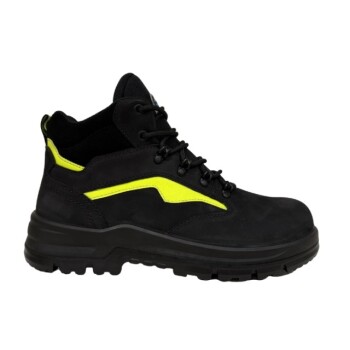
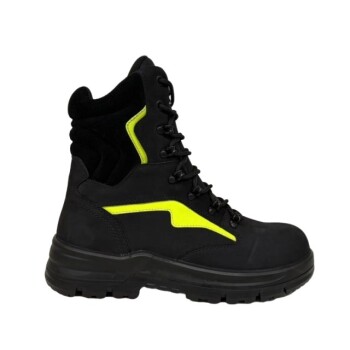
Western-style work boots achieve their unique blend of fashion and function by integrating necessary protective features directly into a classic, streamlined silhouette. Unlike traditional, bulky work boots that prioritize function at the expense of aesthetics, the Western design uses its functional components—like the high shaft and distinct heel—as the very basis of its iconic style.
The core principle is that form and function are not separate elements. The features that make a Western boot a practical piece of workwear are the same features that define its enduring, fashionable identity.
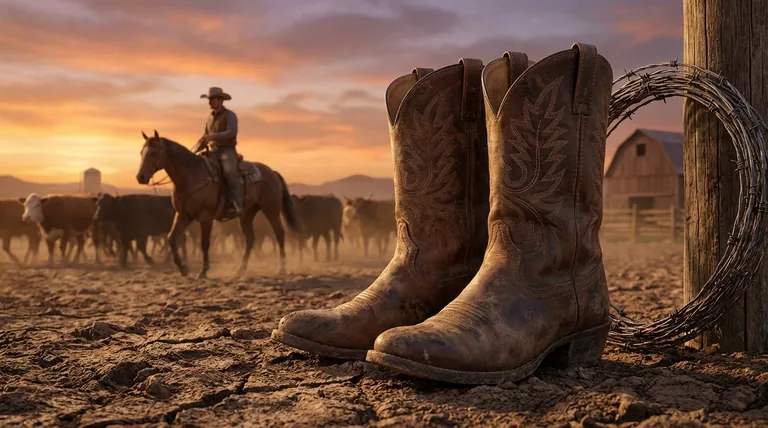
The Foundation: Functional Design as Style
The classic Western boot was born from necessity. Its design was perfected for the specific, demanding work of a person on horseback. This heritage of utility is what gives the boot its authentic character and aesthetic appeal.
The Protective Shaft
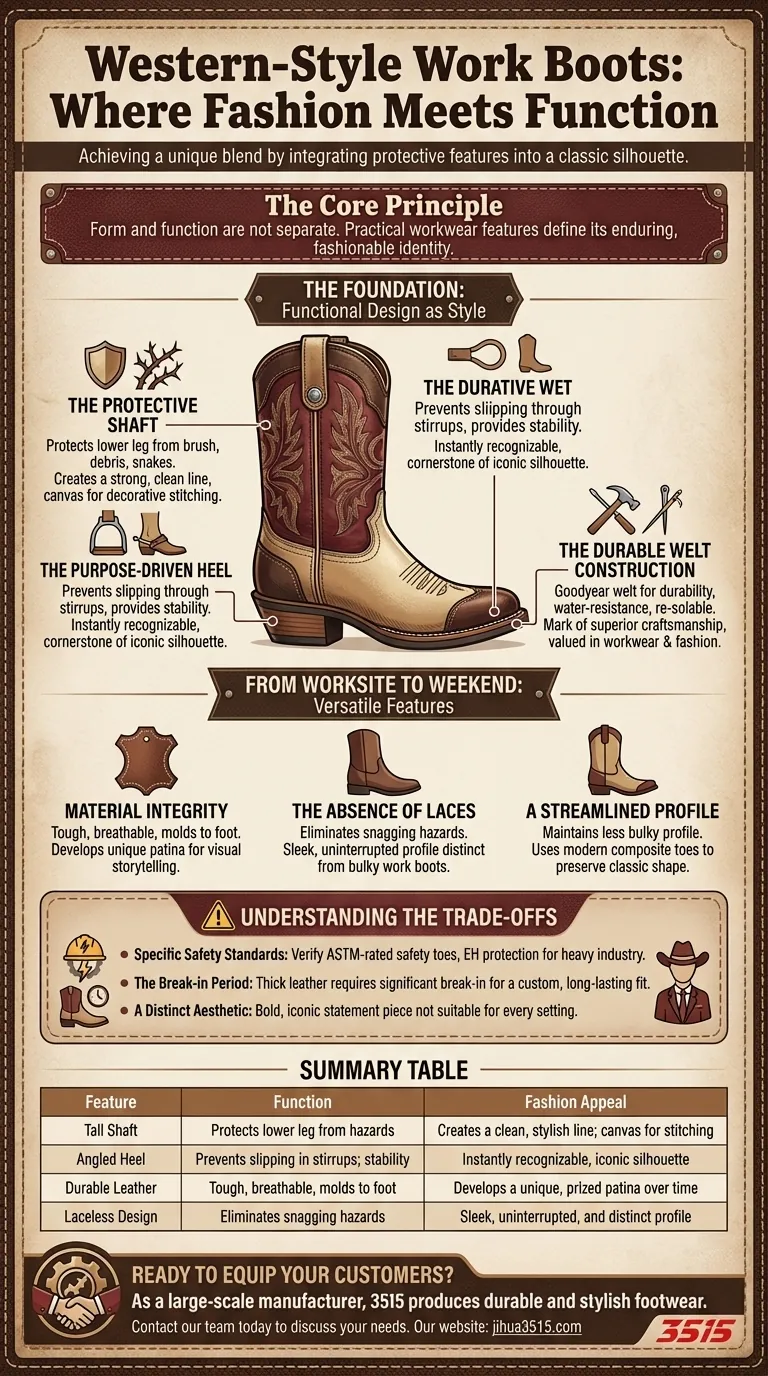
The tall leather shaft is a primary functional feature. It protects the wearer's lower leg from brush, debris, snakebites, and other hazards common in outdoor and agricultural work. Aesthetically, this height creates a strong, clean line and serves as a canvas for decorative stitching, turning a protective element into a statement of personal style.
The Purpose-Driven Heel
The angled "cowboy" heel was designed to prevent a rider's foot from slipping through a stirrup, providing a critical safety function. This distinct shape also provides stability on uneven ground. In fashion terms, this specific heel is instantly recognizable and is a cornerstone of the boot's iconic silhouette.
The Durable Welt Construction
Many high-quality Western boots use a Goodyear welt, a method of stitching the sole to the upper. This creates a highly durable, water-resistant seal and allows the boot to be re-soled multiple times, extending its life significantly. This mark of superior craftsmanship is a valued attribute in both high-end workwear and fashion footwear.
From Worksite to Weekend: Versatile Features
The Western work boot's ability to transition seamlessly between environments comes from its refusal to compromise on materials or design purity.
Material Integrity
These boots are typically crafted from full-grain leather, which is tough, breathable, and molds to the wearer's foot over time. While this provides excellent durability for work, it also allows the leather to develop a unique patina, a characteristic highly prized in the world of fashion for its visual storytelling.
The Absence of Laces
The laceless, pull-on design is a key functional choice. It eliminates the risk of laces getting caught in machinery or stirrups. This practical decision results in a sleek, uninterrupted profile that looks sharp and is distinct from nearly all other types of work boots.
A Streamlined Profile
Even when equipped with safety features, Western work boots strive to maintain a less bulky profile than their traditional counterparts. Manufacturers often use lighter composite safety toes instead of steel to preserve the classic pointed or squared toe shape, merging modern protection with a timeless look.
Understanding the Trade-offs
While incredibly versatile, the Western work boot is not a universal solution. Being objective about its limitations is key to choosing the right footwear.
Specific Safety Standards
Not all Western-style boots are created equal. Many fashionable models lack the specific ASTM-rated safety toes, electrical hazard protection, or slip-resistant outsoles required for heavy industrial or construction sites. Always verify a boot's certifications if your work demands them.
The Break-in Period
The same thick, high-quality leather that makes these boots so durable also necessitates a significant break-in period. This initial discomfort is the trade-off for achieving a custom fit that will last for years.
A Distinct Aesthetic
The Western look is bold and iconic. While this is a major part of its appeal, it's a specific style that may not be suitable for every office or social setting. It is, by its nature, a statement piece.
Making the Right Choice for Your Needs
To select the right boot, you must first be clear about your primary goal.
- If your primary focus is heavy industrial work: Ensure the boot has the required safety certifications for your job site, focusing on models marketed specifically as "work" boots.
- If your primary focus is outdoor or farm labor: Prioritize durable welt construction, a supportive shaft, and a heel design suited for long hours of walking or riding.
- If your primary focus is style and casual wear: You can explore a wider range of toe shapes, exotic leathers, and decorative stitching to match your personal aesthetic.
Ultimately, a Western work boot succeeds by treating rugged durability and personal style as two sides of the same coin.
Summary Table:
| Feature | Function | Fashion Appeal |
|---|---|---|
| Tall Shaft | Protects lower leg from hazards | Creates a clean, stylish line; canvas for stitching |
| Angled Heel | Prevents slipping in stirrups; stability | Instantly recognizable, iconic silhouette |
| Durable Leather | Tough, breathable, molds to foot | Develops a unique, prized patina over time |
| Laceless Design | Eliminates snagging hazards | Sleek, uninterrupted, and distinct profile |
Ready to Find Your Perfect Pair of Western Work Boots?
As a large-scale manufacturer, 3515 produces a comprehensive range of durable and stylish footwear for distributors, brand owners, and bulk clients. Our production capabilities encompass all types of work boots, ensuring you get the perfect blend of fashion and function.
Let us help you equip your customers with boots that work as hard as they look.
Contact our team today to discuss your footwear needs and explore our catalog.
Visual Guide
Related Products
- Durable Goodyear Welt Leather Work Boots for Wholesale & Private Label
- Durable Leather Work Boots for Wholesale & Custom Manufacturing
- Durable Leather Work Boots for Wholesale & Custom OEM Manufacturing
- Durable Moc-Toe Wedge Work Boots | Wholesale Manufacturing for Brands
- Wholesale Leather Work Boots with Customizable Wedge Sole for Brands
People Also Ask
- What is the difference between full-grain and top-grain leather? Premium Material Guide for Boot Manufacturers
- What are the advantages of leather as an upper material for work boots? Unmatched Durability & Custom Comfort
- Why is it important to waterproof leather work boots? Protect Your Investment and Performance
- How should new leather work boots be broken in? A Guide to Comfort and Durability
- What are the advantages of leather uppers in work boots? Unmatched Durability & Protection