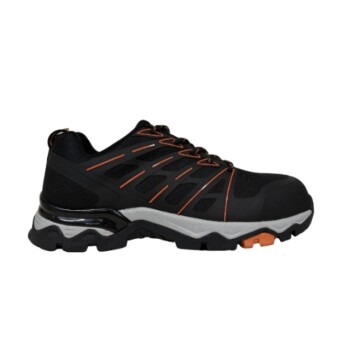
The precise interaction between arch area, toe position, and instep height serves as the foundation for accurate insole selection in safety footwear. These three parameters are input into recommendation algorithms to calculate a specific "arch index," which automatically categorizes the foot structure. This categorization is the deciding factor for determining the necessary insole support height and geometric shape.
Insole recommendation systems use these three metrics to generate an arch index, classifying the foot as low, neutral, or high. This classification dictates the specific support structure required to ensure biomechanical stability and comfort during prolonged use.
The Mechanics of Foot Classification
Calculating the Arch Index
The selection process does not rely on a single measurement but rather the synthesis of arch area, toe position, and instep height.
These data points function as variables in an algorithm that calculates a unique arch index for the wearer. This calculation bridges the gap between raw physical measurements and usable footwear data.
Categorizing the Arch Type
Once the arch index is established, the system automatically classifies the foot into one of three distinct categories.
The foot is identified as having a low, neutral, or high arch. This classification is the pivot point that determines which physical product is suitable for the user.
Matching Components to Anatomy
The classification directly dictates the geometric shape and support height of the recommended insole.
By aligning the insole’s physical components with the calculated arch type, the system ensures a custom-like fit. This prevents the mismatching of high-support insoles with low-arch feet, or vice versa.
The Objective: Comfort and Stability
Biomechanical Stability
Safety shoes often require wearers to navigate difficult terrain or maintain rigid postures.
Correctly utilizing the arch index ensures the foot remains stable within the shoe. This stability is critical for preventing injury and maintaining balance in industrial environments.
Enduring Prolonged Stress
Safety shoe applications typically involve long periods of standing or walking.
Matching the insole components to the specific arch area and instep height reduces strain. This alignment significantly improves wearer comfort over the course of a long shift.
Understanding the Trade-offs
Dependence on Data Accuracy
The effectiveness of this selection method relies entirely on the precision of the input data.
If the toe position or instep height is measured incorrectly, the resulting arch index will be flawed. This leads to a classification error and an insole that may reduce, rather than enhance, comfort.
The Limits of Categorization
While effective for the majority, this system groups complex foot anatomies into three broad categories (low, neutral, high).
Users with atypical foot structures that fall between these standard classifications may find the automatic recommendation less optimal than a fully custom orthotic.
Making the Right Choice for Your Goal
To maximize the benefit of insole algorithms, focus on the specific outcome you require from your safety footwear.
- If your primary focus is Support: Trust the arch index classification implicitly, as it mathematically determines the correct geometric shape for stability.
- If your primary focus is Comfort: Ensure the instep height measurement is precise, as this heavily influences the volume and fit within the safety shoe.
By leveraging these specific parameters, you transform insole selection from a subjective guess into a data-driven process that supports long-term foot health.
Summary Table:
| Parameter | Role in Insole Selection | Key Benefit/Outcome |
|---|---|---|
| Arch Area | Input for Arch Index calculation | Determines support type |
| Toe Position | Input for Arch Index calculation | Contributes to fit |
| Instep Height | Input for Arch Index calculation | Influences volume & comfort |
| Arch Index (derived) | Classifies foot type (low, neutral, high) | Dictates insole geometry |
| Overall Goal | Custom-like fit for biomechanical support & injury prevention | Enhanced Stability & Comfort |
As a large-scale manufacturer serving distributors and brand owners, 3515 offers comprehensive production capabilities for all footwear types, anchored by our flagship Safety Shoes series. Our extensive portfolio covers work and tactical boots, outdoor shoes, training shoes, and sneakers, as well as Dress & Formal shoes to meet diverse bulk requirements.
Ready to elevate your product line with expertly designed and manufactured footwear? Contact us today to discuss your bulk production needs and leverage our expertise in foot biomechanics and safety footwear.
References
- Jorge Valero, Sandra Alemany. A Statistical Size Recommender for Safety Footwear Based on 3D Foot Data. DOI: 10.15221/23.40
This article is also based on technical information from 3515 Knowledge Base .
Related Products
- Premium Safety Shoes with Rotating Buckle Safety Sneakers
- Premium Suede Sport Safety Shoes for Wholesale & Bulk Orders
- Advanced KPU Athletic Safety Shoe with Steel Toe Cap Anti-Slip Rotary Lacing System
- Premium Wholesale Tactical Style Safety Shoes Boots with Quick Lacing
- Premium KPU Injection Athletic Style Safety Shoes
People Also Ask
- Why should ergonomics and comfort be prioritized when selecting safety shoes? Boost Compliance & Worker Health
- What industries have specific OSHA footwear requirements? Ensure Compliance & Protect Your Workforce
- What happens during the cutting stage of safety shoes manufacturing? Precision, Process & Quality
- How do I choose the best safety shoes? Match Certified Features to Your Hazards
- How do specialized safety shoes protect against battery maintenance injuries? Prevent Impact and Chemical Burns