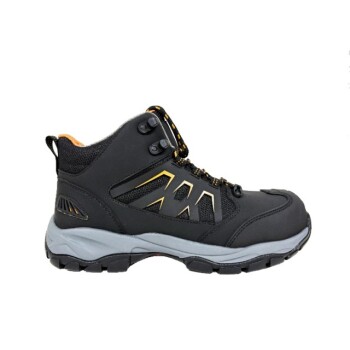
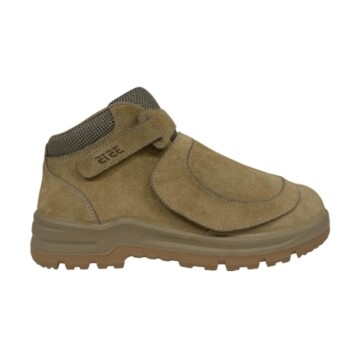
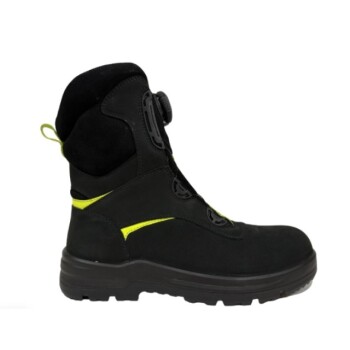
Reinforced soles are the primary structural barrier between a worker's foot and environmental hazards, providing critical impact protection and puncture resistance. These soles are engineered to withstand extreme crushing pressures—often exceeding 400 lbs—preventing catastrophic injuries from heavy machinery or falling objects. Beyond safety, reinforcement ensures the boot maintains its shape and functional integrity under the rigors of high-volume industrial use.
Reinforced soles integrate advanced material science with structural engineering to provide a dual-layered defense: absorbing kinetic energy from impacts while offering a puncture-proof foundation that withstands hundreds of pounds of pressure. This combination is essential for meeting international safety certifications and ensuring long-term product reliability for B2B stakeholders.
The Mechanics of Impact and Compression Protection
Resisting Extreme Crushing Forces
The primary function of a reinforced sole is to resist compressive loads that would otherwise crush the wearer’s foot. Technical standards for high-performance protective footwear often require the sole unit to withstand upwards of 400 lbs of pressure. This structural rigidity is vital in sectors like logistics and heavy manufacturing where vehicle rollovers or equipment failures are constant risks.
Shock Absorption and Kinetic Energy
Reinforced soles do more than just resist weight; they act as a buffer for kinetic energy. By integrating specialized materials, the sole absorbs the shock of a footfall or an external impact, dissipating the force before it reaches the bone structure. This energy management is critical for reducing the risk of fractures and long-term joint fatigue in demanding environments.
Meeting Global Safety Certifications
For distributors and brand owners, reinforced soles are the key to meeting rigorous international safety standards. Whether it is the 1200N puncture resistance required for firefighting boots or specific ASTM standards for compression, these reinforcements ensure products are legally compliant. Leveraging a manufacturer with a heritage dating back to 1951 ensures that these technical specifications are met with consistent, enterprise-level precision.
Enhancing Functional Performance in Hazardous Environments
Puncture Resistance and Underfoot Shielding
In construction and tactical environments, the underside of the boot is vulnerable to sharp objects like nails or jagged metal. Reinforced midsoles often utilize Kevlar or composite plates to create a puncture-proof barrier without significantly increasing the boot's weight. This underfoot shielding allows personnel to navigate debris-heavy zones with total confidence in their equipment.
Traction Control and Operational Stability
Functionality depends heavily on the interface between the sole and the ground. Reinforced soles utilize high-traction patterns and specialized rubber compounds to provide maximum grip on oil-slicked or uneven surfaces. This stability is essential for motorcycle riders and tactical operators who require precise foot placement to maintain control of their equipment or vehicles.
Extending the Product Lifecycle
Reinforcement prevents the sole and the upper from collapsing or deforming over time, a common failure point in low-quality footwear. By maintaining the structural integrity of the forefoot and heel, reinforced designs significantly extend the service life of the boot. For B2B resellers, this translates to fewer returns and higher customer satisfaction due to the product's enduring durability.
Understanding the Trade-offs
Weight vs. Protective Capability
The most significant trade-off in sole reinforcement is the balance between protection and weight. While heavy-duty steel or dense rubber offers maximum defense, it can lead to user fatigue during long shifts. Modern B2B manufacturing solves this by using composite materials and TPU, which offer high strength-to-weight ratios to maintain safety without sacrificing agility.
Flexibility vs. Rigid Stability
A highly reinforced sole is naturally more rigid, which provides excellent stability but may limit the natural range of motion. For tactical or "active" work boots, designers must implement flex zones or articulated midsoles to ensure the boot remains functional for climbing or running. Finding the right balance depends entirely on the specific "Deep Need" of the end-user's environment.
Applying This to Your Product Selection
How to Choose the Right Reinforcement Strategy
Selecting the appropriate sole technology requires aligning the manufacturing specifications with the specific hazards of the target industry.
- If your primary focus is heavy industrial or construction markets: Prioritize soles rated for maximum compression resistance (400 lbs+) and integrated steel or composite puncture plates.
- If your primary focus is tactical or high-mobility sectors: Look for TPU-reinforced soles and lightweight puncture resistance (like Kevlar) to ensure protection does not impede movement.
- If your primary focus is large-scale B2B distribution: Partner with a manufacturer that offers consistent high-volume delivery and proven heritage to ensure every unit meets the required safety certifications.
By integrating advanced reinforcement into protective footwear, brand owners can deliver a product that is not only a piece of safety equipment but a reliable tool for professional performance.
Summary Table:
| Key Feature | Technical Benefit | Industry Application |
|---|---|---|
| Compression Resistance | Withstands 400+ lbs of pressure to prevent crushing | Heavy Industry, Logistics |
| Puncture Protection | Steel/Kevlar plates resist 1200N sharp object penetration | Construction, Tactical |
| Shock Absorption | Dissipates kinetic energy to reduce joint fatigue | Training, Outdoor |
| Structural Integrity | Prevents boot deformation for an extended lifecycle | B2B Distribution |
| Specialized Traction | Oil-resistant compounds for maximum ground stability | Tactical, Manufacturing |
Partner with 3515 for Enterprise-Level Footwear Manufacturing
As a premier large-scale manufacturer serving distributors and brand owners since 1951, 3515 understands that your reputation relies on product safety and supply chain stability. We specialize in high-performance footwear, anchored by our flagship Safety Shoes series that meets rigorous international certifications.
Why choose 3515 for your bulk requirements?
- Massive Production Scale: Robust manufacturing capabilities ensuring consistent, large-volume delivery.
- Premium OEM/ODM Capabilities: Tailored designs for tactical boots, outdoor shoes, sneakers, and formal dress shoes.
- Technical Excellence: State-of-the-art equipment capable of engineering reinforced soles that exceed 400 lbs of compression resistance.
- Proven Heritage: Decades of expertise in providing distributors with high-margin, certified safety solutions.
Elevate your product portfolio with a reliable partner. Contact us today to discuss your production needs!
Related Products
- Premium Grain Leather Safety Boots for Bulk Supply
- Premium Wholesale Waterproof Safety Boots High Performance Protection for Industrial Markets
- Wholesale Waterproof Tactical Boots Custom Suede & High-Traction Soles
- Wholesale Leather Safety Boots with Customizable Protective Toe
- Wholesale Customizable Safety Boots Durable & Protective Footwear Manufacturing
People Also Ask
- What makes durable safety boots? The Ultimate Guide to Long-Lasting Work Footwear
- Which organizations develop safety standards for work boots? Ensure Compliance & Worker Safety
- Why is ankle and arch support important in safety footwear? Prevent Injury & Fatigue
- What are the consequences of not wearing safety boots? Protect Your Finances and Career
- What materials are commonly used for outsoles in safety boots? A Guide to Durability, Grip, and Comfort