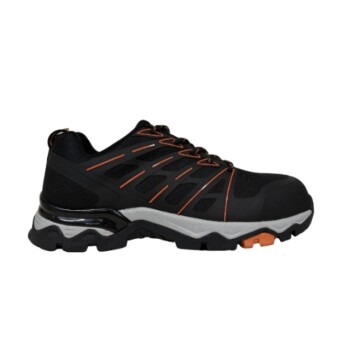
Professional safety shoes function as a specialized, multi-layered defensive barrier. In industrial machining environments, they operate by utilizing impact-resistant reinforced toe caps and puncture-proof midsoles to physically shield the foot from high-kinetic energy hazards, such as falling heavy tools, and penetrating injuries from sharp metal chips.
Core Insight: While often viewed merely as personal protective equipment (PPE), professional safety shoes are actually a fundamental component of operational efficiency and lean management. By effectively neutralizing mechanical risks, they prevent the significant production downtime that inevitably follows occupational injuries in high-risk zones.
The Mechanics of Physical Protection
Shielding Against Kinetic Impact
The primary function of these shoes is to act as a rigid enclosure for the foot. They are engineered with reinforced components, such as steel or high-strength composite toe caps.
This structure absorbs and dissipates the energy from falling heavy objects or tools. In a machining context, this prevents crushing injuries that are common when handling heavy stock or equipment parts.
Preventing Penetration Injuries
Machining environments are frequently littered with sharp debris, specifically metal chips and shavings. Professional safety shoes function as a shield against these ground-level hazards.
The soles incorporate puncture-resistant layers designed to block sharp objects from piercing through to the foot. This barrier is essential for allowing operators to move safely across complex ground surfaces without risk of laceration or puncture.
Stability on Hazardous Surfaces
Beyond direct impact, these shoes function as a stability mechanism. Machining floors often present slip hazards due to coolants, oils, or polished surfaces.
Industrial-grade shoes utilize outsoles with specialized anti-slip textures and oil-resistant properties. This ensures traction and stability, preventing falls that could lead to secondary injuries involving moving machinery.
Operational and Systemic Functions
The Role in Lean Management
From a management perspective, safety shoes function as a tool for risk mitigation and continuity. The primary reference highlights that standardized use of this equipment significantly reduces downtime caused by occupational risks.
By securing the safety of personnel, the workflow remains uninterrupted. This aligns with lean management frameworks where eliminating waste—including the waste of time due to preventable accidents—is a priority.
Chemical Defense Mechanisms
In addition to physical trauma, machining often involves exposure to cutting fluids and solvents. Certain industrial safety shoes are constructed with chemical-resistant materials.
These materials prevent hazardous liquids, such as petroleum derivatives or benzene, from penetrating the shoe and being absorbed through the skin. This adds a layer of toxicological protection to the physical shielding.
Understanding the Trade-offs
Balancing Protection with Fatigue
While robust construction provides maximum safety, it introduces the trade-off of weight and rigidity. Heavier materials like steel toe caps can contribute to operator fatigue during long shifts.
Modern designs attempt to mitigate this with lighter composite materials and comfortable inner linings. However, the most protective shoe is often heavier, potentially impacting agility over extended periods.
Specificity vs. Versatility
No single safety shoe offers perfect protection against every variable. A shoe optimized for puncture resistance might be less breathable or heavier than one designed purely for slip resistance.
Selecting the wrong configuration can lead to a false sense of security. It is critical to match the specific engineering of the shoe (e.g., chemical resistance vs. impact resistance) to the dominant hazard in the specific machining zone.
Strategic Implementation for Industrial Safety
To maximize the protective function of safety shoes, you must align equipment selection with your specific operational goals.
- If your primary focus is Physical Safety: Prioritize shoes with composite or steel toe caps and puncture-resistant midsoles to handle the immediate threat of falling stock and sharp metal shavings.
- If your primary focus is Operational Continuity: View safety shoes as a lean management asset; standardize high-quality footwear to eliminate common injury-related bottlenecks and downtime.
- If your primary focus is Environmental Hazard Control: Select footwear with verified chemical resistance and anti-slip outsoles to counteract the specific coolants and oils used in your machining processes.
The most effective safety shoe is not just a piece of clothing, but a calibrated engineering control that ensures both human safety and process reliability.
Summary Table:
| Protection Mechanism | Engineering Feature | Primary Industrial Benefit |
|---|---|---|
| Impact Protection | Steel/Composite Toe Caps | Prevents crushing from falling heavy tools/parts |
| Penetration Defense | Puncture-resistant Midsoles | Shields against sharp metal chips and shavings |
| Surface Stability | Anti-slip & Oil-resistant Outsoles | Ensures traction on floors with coolants or oils |
| Chemical Defense | Solvent-resistant Materials | Prevents skin absorption of toxic cutting fluids |
| Process Continuity | Standardized PPE | Reduces production downtime and medical costs |
Partner with 3515 for High-Performance Industrial Footwear
As a large-scale manufacturer serving distributors and brand owners, 3515 offers comprehensive production capabilities for all footwear types, anchored by our flagship Safety Shoes series. Our extensive portfolio covers work and tactical boots, outdoor shoes, training shoes, and sneakers, as well as Dress & Formal shoes to meet diverse bulk requirements.
By choosing 3515, you gain a manufacturing partner committed to lean management and operational safety. We help you eliminate injury-related bottlenecks with footwear engineered for durability and specialized protection.
Ready to elevate your product line with industry-leading safety standards? Contact Us Today to discuss your bulk manufacturing needs and discover the value we bring to your supply chain.
References
- Janarthanam Vijayanand, SeshaGiri Rao Vaddi. Lean manufacturing practices in an educational institution to improve the operational efficiency of a machine shop. DOI: 10.5267/j.msl.2024.3.001
This article is also based on technical information from 3515 Knowledge Base .
Related Products
- Premium Suede Sport Safety Shoes for Wholesale & Bulk Orders
- Premium Lightweight Safety Shoes for Wholesale & Bulk Orders
- Wholesale Anti-Smash & Puncture-Proof Safety Shoes Custom Manufacturing for Brands
- Premium KPU Injection Athletic Style Safety Shoes
- Premium Safety Shoes with Rotating Buckle Safety Sneakers
People Also Ask
- What are the primary functions of professional safety shoes? Maximize Safety in Water Supply Confined Spaces
- What industries have specific OSHA footwear requirements? Ensure Compliance & Protect Your Workforce
- What role do specialized safety shoes play in preventing falls? Engineering Stability in Industrial Environments
- How Specialized Footwear Impacts Side-Cutting Performance and Injury Risk Assessment
- What are the main safety features of S1-S5 shoes? The 3 Essential Protections Explained