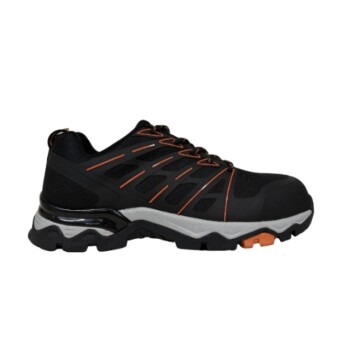
Professional safety footwear serves as a foundational component for operational continuity. In high-intensity logistics environments, these shoes drive efficiency by combining reinforced toe protection to prevent crush injuries with slip-resistant outsoles that stabilize high-frequency movements. This dual function minimizes workflow interruptions caused by accidents while reducing physical fatigue during demanding tasks like sorting and forklift operation.
The core value of safety footwear lies in sustainable human productivity. By protecting against immediate hazards and mitigating long-term physical stress, professional footwear transforms workforce safety into consistent, uninterrupted service responsiveness.
The Mechanics of Workflow Continuity
Preventing Disruption via Impact Protection
In warehousing, the risk of falling heavy packages is a constant threat to operational flow. Professional safety shoes utilize reinforced toe protection structures to neutralize this risk.
By preventing crush injuries, these shoes ensure that personnel remain active and that production lines are not halted due to medical emergencies. This protection is essential for maintaining the momentum of goods processing.
Stability in High-Frequency Environments
Logistics roles involve rapid, repetitive movements, often on slick or uneven surfaces. Slip-resistant outsoles provide the necessary grip to manage these conditions without hesitation.
This traction allows workers to recover quickly from minor slip-ups that might otherwise cause falls or dropped inventory. Consequently, the workflow remains fluid, even during peak-intensity sorting or forklift maneuvers.
Enhancing Physical Endurance and Mobility
Alleviating Fatigue through Ergonomics
Operational efficiency drops significantly when workers experience physical exhaustion. Professional footwear addresses this with specialized cushioning technology and targeted arch support.
These features alleviate plantar pressure during long periods of standing or walking. By reducing the accumulation of physical fatigue, the footwear helps maintain higher productivity levels throughout a shift.
Optimizing Energy Transfer
Efficiency is also a matter of biomechanics. High-quality safety shoes, particularly those with advanced lacing systems, secure the foot to prevent wasted energy caused by instability.
This improves gait efficiency, meaning the worker expends less energy per step. Over thousands of steps in a warehouse, this improved energy transfer directly supports sustained mobility and speed.
Understanding the Trade-offs
Weight vs. Protection
While reinforced protection is vital, it introduces weight. Heavily armored boots may offer maximum crush protection but can increase leg fatigue over long distances compared to lighter, composite-toe alternatives.
Rigidity vs. Agility
Stiff soles offer excellent stability for static standing or heavy lifting but may limit the natural flexion of the foot required for rapid sprinting or crouching.
Selecting footwear that is too rigid for an agile role can inadvertently reduce movement speed and increase joint stress over time.
Optimizing Footwear for Specific Logistic Roles
To maximize efficiency, the choice of footwear must align with the specific operational demands of the worker's role.
- If your primary focus is Heavy Machinery and Palletizing: Prioritize reinforced toe protection and crush resistance to prevent severe injuries from falling loads.
- If your primary focus is Sorting and Order Picking: Prioritize lightweight cushioning and arch support to minimize fatigue during high-volume walking and standing tasks.
- If your primary focus is Rapid Response and Dispatch: Prioritize secure lacing systems and gait efficiency to maximize speed and energy transfer during movement.
Investing in the correct technical footwear is an investment in the reliability and longevity of your workforce.
Summary Table:
| Feature | Impact on Efficiency | Key Benefit for Logistics |
|---|---|---|
| Reinforced Toe Protection | Prevents crush-related work stoppages | Ensures operational continuity and safety |
| Slip-Resistant Outsoles | Maintains speed on slick or uneven floors | Reduces accidents during high-frequency movement |
| Ergonomic Cushioning | Alleviates physical fatigue during long shifts | Sustains high productivity and worker endurance |
| Advanced Lacing Systems | Optimizes energy transfer and gait | Increases mobility speed and reduces wasted effort |
Maximize Your Operational Continuity with 3515 Footwear
As a large-scale manufacturer serving distributors and brand owners, 3515 offers comprehensive production capabilities for all footwear types, anchored by our flagship Safety Shoes series. We understand that in high-intensity logistics, the right footwear is a tool for productivity. Our extensive portfolio covers work and tactical boots, outdoor shoes, training shoes, and sneakers, as well as Dress & Formal shoes to meet your diverse bulk requirements.
Partner with us to provide your workforce with the durability and ergonomic support they need to stay efficient. Contact us today to discuss your bulk manufacturing needs and see how our footwear solutions can add value to your brand.
References
- Gabriella Cioce, James Davison Hunter. How does informalisation encourage or inhibit collective action by migrant workers? A comparative analysis of logistics warehouses in Italy and hand car washes in Britain. DOI: 10.1111/irj.12359
This article is also based on technical information from 3515 Knowledge Base .
Related Products
- Premium Suede Sport Safety Shoes for Wholesale & Bulk Orders
- Premium Lightweight Safety Shoes for Wholesale & Bulk Orders
- Wholesale Anti-Smash & Puncture-Proof Safety Shoes Custom Manufacturing for Brands
- Premium KPU Injection Athletic Style Safety Shoes
- Premium Safety Shoes with Rotating Buckle Safety Sneakers
People Also Ask
- What industries have specific OSHA footwear requirements? Ensure Compliance & Protect Your Workforce
- What are the primary functions of professional safety shoes? Maximize Safety in Water Supply Confined Spaces
- What role do specialized safety shoes play in preventing falls? Engineering Stability in Industrial Environments
- How does professional industrial cleaning equipment maintain the performance stability of safety shoes? Pro Maintenance
- What are the main components of safety shoes? A Guide to Protective Footwear Design