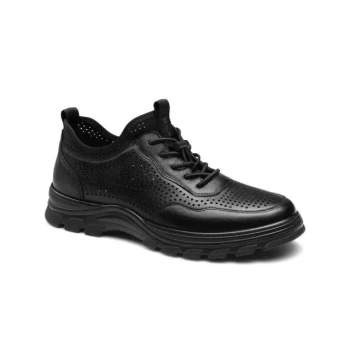
Professional-grade athletic footwear serves as essential protective hardware for middle-aged and elderly populations engaged in physical activity. By integrating optimized arch support, advanced shock absorption, and superior traction, these specialized shoes significantly alleviate knee and plantar pain while stabilizing the foot to prevent falls and musculoskeletal injuries.
Core Takeaway: For aging populations, footwear is not merely an accessory but a critical safety tool. By mitigating pain and mechanical instability, professional-grade shoes lower the physical barriers to exercise, enabling consistent, long-term participation in health-promoting activities.
Biomechanical Support and Pain Management
Alleviating Chronic Discomfort
The primary barrier to exercise for this demographic is often pain. Professional footwear is engineered with optimized arch support designed to correct foot alignment. This directly alleviates common issues such as plantar fasciitis and strain on the plantar fascia.
Critical Shock Absorption
Aging joints are less resilient to impact. High-performance cushioning materials in these shoes act as a dampening system. They absorb the ground reaction forces generated during walking or running, preventing those forces from traveling up to damage the knees and hips.
Ensuring Sustained Participation
Comfort is the precursor to consistency. By reducing the immediate physical toll of movement, these shoes help overcome the "pain barrier." This ensures that users can maintain their physical activity protocols safely over months and years, rather than stopping due to acute soreness.
Stability and Fall Prevention
Advanced Grip Technology
Falls are a catastrophic risk for the elderly. Professional training and outdoor functional shoes utilize anti-slip outsoles tailored for specific terrains. This friction is essential for maintaining balance on slick, uneven, or park-based surfaces.
Lateral Stability and Ankle Support
Standard sneakers often lack structure. Specialized training shoes feature reinforced ankle structures and firm heel counters. These features prevent "side-slipping" and stabilize the foot during rapid lateral displacements or transitions between movements.
Injury Mitigation
Beyond comfort, the structural design actively prevents trauma. By restricting dangerous ranges of motion, these shoes lower the risk of specific injuries such as sprains, contusions, and fractures. This allows for safer engagement in higher-intensity movements like jumping or rapid walking.
Understanding the Trade-offs
Specificity vs. Versatility
Not all "professional" shoes work for every activity. A shoe designed for rigid stability (like an orthopedic walker) may be too heavy or stiff for agility exercises. Using a shoe that is too specialized for the wrong activity can restrict necessary natural movement.
The Weight of Protection
To provide maximum stability and cushioning, some professional-grade footwear is heavier than standard casual sneakers. This added weight can increase fatigue in users with significantly reduced leg strength, potentially shortening the duration of their activity initially.
Making the Right Choice for Your Goal
Selecting the correct footwear depends entirely on the specific physical barriers you are trying to overcome.
- If your primary focus is Joint Pain Relief: Prioritize shoes with maximal cushioning and engineered arch support to dampen impact on knees and hips.
- If your primary focus is Fall Prevention: Look for outdoor functional shoes with aggressive anti-slip outsoles and high-top ankle support structures.
- If your primary focus is Agility and Gym Training: Choose specialized training shoes that offer a balance of lateral stability and flexibility to prevent sprains during rapid movement.
Invest in the right hardware to turn physical activity from a painful chore into a sustainable, life-enhancing habit.
Summary Table:
| Feature | Physical Benefit | Impact on Activity |
|---|---|---|
| Optimized Arch Support | Alleviates plantar pain & corrects alignment | Enables longer, pain-free walking sessions |
| Advanced Shock Absorption | Reduces impact on knees and hips | Protects aging joints from impact-related injury |
| Anti-Slip Outsoles | Enhances traction and grip | Minimizes fall risks on uneven or slick surfaces |
| Reinforced Ankle Support | Stabilizes lateral movements | Prevents sprains during agility or gym training |
Partner with 3515 to Elevate Your Footwear Portfolio
As a large-scale manufacturer serving global distributors and brand owners, 3515 offers comprehensive production capabilities for all footwear types. We specialize in transforming complex biomechanical needs into high-quality, market-ready products.
Why Choose 3515?
- Unmatched Versatility: From our flagship Safety Shoes series to specialized training shoes, outdoor boots, and elegant Dress & Formal footwear, we meet diverse bulk requirements.
- Quality for Aging Populations: We integrate advanced shock absorption and stability technologies into our sneakers and athletic lines to serve the growing health-conscious demographic.
- Scalable Manufacturing: Our facilities are optimized for bulk production, ensuring consistent quality and competitive lead times for your brand.
Ready to enhance your product line with professional-grade footwear? Contact us today to discuss your manufacturing needs!
References
- Rahim Khosromanesh, Ameneh Asadolai. Middle-Aged Women’s Perceptions and Experiences of Physical Activity: A Grounded Theory Approach. DOI: 10.2478/pcssr-2023-0004
This article is also based on technical information from 3515 Knowledge Base .
Related Products
- Lightweight Breathable Training Shoes for Wholesale & Custom OEM Manufacturing
- Custom OEM Training Shoes Wholesale Manufacturer Durable & Breathable
- Wholesale Breathable & Cushioned Training Shoes Custom Factory Production
- Wholesale Durable & Breathable Training Shoes for Custom Brands
- Wholesale Breathable Training Shoes Custom Athletic Footwear Manufacturer
People Also Ask
- Why are lightweight training shoes often preferred over professional hiking boots in urban walking? Maximize City Comfort
- What is the primary role of specialized training or orthopedic shoes? Enhance Safety in Elderly Balance Training
- Why are professional-grade training shoes essential for physical therapy? Ensure Patient Safety and Gait Stability
- Why are the slip-resistance and stability performance of training shoes critical in gait analysis? Ensure Data Accuracy
- Why is the use of flat-soled or professional training shoes essential for WBV? Maximize Vibration Energy Transfer