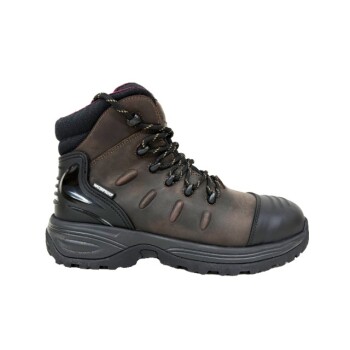
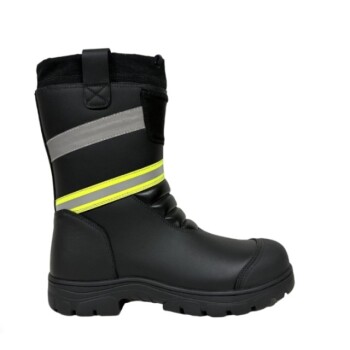
Ultimately, police boots are engineered systems for all-weather performance. They are specifically designed to function effectively across a wide range of conditions, from hot, humid afternoons to cold, icy mornings, by incorporating specialized materials and construction methods. Key features include waterproof membranes, breathable linings, and insulated layers that work together to keep an officer's feet dry and comfortable.
The true performance of a police boot in any weather condition comes from its ability to manage moisture. It must block external water while simultaneously allowing internal sweat vapor to escape, ensuring the foot remains dry from both the inside and the out.
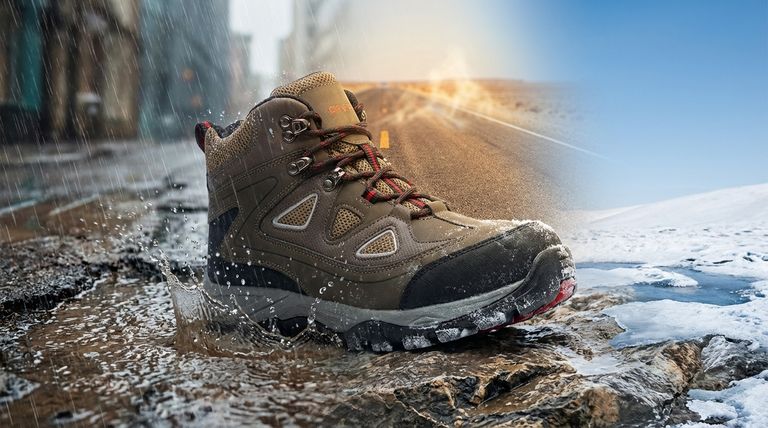
How Police Boots Achieve All-Weather Performance
A boot's effectiveness isn't based on a single material but on a combination of technologies designed to regulate the micro-environment around the foot.
The Waterproof Barrier
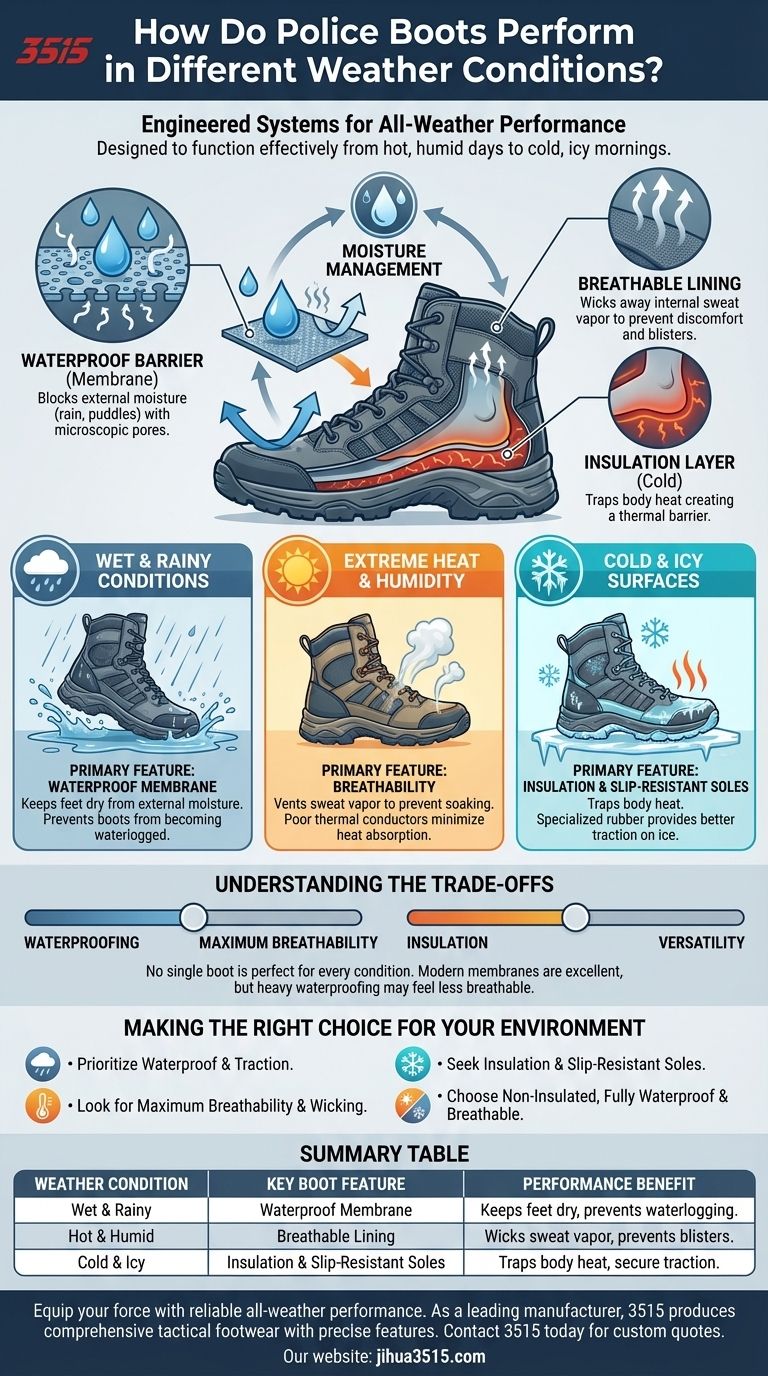
The first line of defense is a waterproof membrane. This is a specialized layer built into the boot's lining.
This membrane contains microscopic pores that are too small for liquid water droplets to penetrate from the outside, effectively blocking rain, puddles, and moisture.
The Importance of Breathability
While blocking external water is crucial, managing internal moisture is just as important. A truly effective boot must be breathable.
The same membrane that blocks water allows warm, moist air—sweat vapor—to escape from inside the boot. This process of wicking moisture away is critical for preventing discomfort and blisters, especially during long periods of activity.
Insulation for Cold Environments
For cold weather, many tactical and police boots include a layer of insulation. This material traps air, creating a thermal barrier that slows the loss of body heat.
This keeps the feet warm without requiring excessively thick or heavy socks that could compromise fit and comfort.
Performance in Specific Conditions
Different weather challenges the boot in different ways. Here is how these core technologies perform in real-world scenarios.
In Wet and Rainy Conditions
In rain or damp environments, the waterproof membrane is the primary feature. It ensures that feet remain completely dry from external moisture.
Combined with quick-dry materials on the exterior, this allows the boot to shed water quickly and avoid becoming heavy and waterlogged.
In Extreme Heat and Humidity
In hot weather, breathability is paramount. As the foot sweats, the boot's ability to vent that moisture as vapor prevents the foot from becoming soaked.
The materials are also chosen because they are poor thermal conductors, meaning they don't readily absorb and transfer external heat to the foot, helping maintain a more stable internal temperature.
On Cold and Icy Surfaces
In cold conditions, insulation works to keep the foot warm. The waterproof feature also plays a critical role by preventing snow and slush from melting into the boot and chilling the foot.
Many police boots also feature slip-resistant outsoles made from specialized rubber compounds that remain pliable in the cold, providing better traction on ice and wet surfaces.
Understanding the Trade-offs
No single boot is perfect for every single condition. Understanding the inherent compromises is key to selecting the right footwear.
Waterproofing vs. Maximum Breathability
There is always a trade-off between how waterproof a boot is and how breathable it is. While modern membranes are excellent, the most heavily waterproofed boots may feel warmer or less breathable in hot, dry climates compared to a non-waterproof, highly ventilated boot.
Insulation vs. Versatility
A boot with significant insulation is excellent for frigid conditions but will be uncomfortably hot during mild or warm weather. A non-insulated boot offers more versatility across three seasons but will require warmer socks for winter use.
Making the Right Choice for Your Environment
Your choice should be dictated by the conditions you face most often.
- If your primary focus is wet, rainy climates: Prioritize a boot with a proven waterproof membrane and excellent traction.
- If your primary focus is hot, humid conditions: Look for maximum breathability and moisture-wicking linings over heavy waterproofing.
- If your primary focus is cold and icy winters: Seek out a boot with dedicated insulation and slip-resistant soles.
- If your primary focus is mixed, all-season use: Choose a non-insulated but fully waterproof and breathable boot for the greatest versatility.
By matching the boot's features to your operational environment, you ensure your footwear will be a reliable asset, not a liability.
Summary Table:
| Weather Condition | Key Boot Feature | Performance Benefit |
|---|---|---|
| Wet & Rainy | Waterproof Membrane | Keeps feet dry from external moisture, prevents waterlogging. |
| Hot & Humid | Breathable Lining | Wicks away sweat vapor, prevents blisters and discomfort. |
| Cold & Icy | Insulation & Slip-Resistant Soles | Traps body heat, provides secure traction on ice. |
Equip your force with reliable all-weather performance.
As a leading manufacturer, 3515 produces a comprehensive range of tactical and duty footwear for distributors, brand owners, and bulk clients. Our production capabilities encompass all types of police boots, engineered with the precise combination of waterproofing, breathability, and insulation your operational environment demands.
Contact 3515 today to discuss your specific needs and receive a custom quote. Let us be your trusted partner in outfitting those who serve.
Visual Guide
Related Products
- Durable High-Ankle Tactical Boots for Wholesale & Custom Manufacturing
- Wholesale Durable Mid-Cut Tactical Boots for Custom & Private Label Brands
- Durable Mid-Cut Tactical Boots for Wholesale & Private Label
- High-Traction Suede Tactical Boots Wholesale & Custom Manufacturing
- Durable Leather Tactical Boots Wholesale & Custom Manufacturing for Brands
People Also Ask
- How do tactical boots protect against injuries? Discover the Integrated Safety System
- What are the main construction similarities between tactical boots and tactical sneakers? Built for Performance & Durability
- What are the different types of tactical boots available? Find the Right Boot for Your Mission
- What is the role of high-frequency acquisition hardware in technical skill analysis for outdoor and tactical boots?
- How is the compatibility of polymer materials demonstrated in smart footwear? Enhancing Tactical & Training Performance